

Understanding Whether Earwigs Pinch: What You Need to Know
You’ve probably heard the myth that earwigs crawl into ears to lay eggs, but have you ever wondered if they pinch? These small insects are often misunderstood and equipped with intimidating pincers on their rear. While they can pinch, the real question is why they do it.
Is it purely defensive, or is there more to this behavior? Consider how understanding the true nature of an earwig’s pinch could change your perception of encountering them. Let’s explore what prompts these pinches and whether they pose any real threat to us.
Key Takeaways
- Earwigs have pincers primarily used for self-defense and mating rituals.
- Their pinches can leave two red marks but are not significantly harmful.
- Pinching is an instinct, not an aggressive action.
- Discomfort from a pinch is usually mild and temporary.
- Avoiding handling earwigs can prevent unwanted pinches.
Earwig Anatomy Explained
Earwigs often startle you with their appearance, primarily due to the prominent pincers or cerci at their rear. These cerci, constructed of hardened chitin like their exoskeleton, play important roles beyond just capturing your attention. They serve multiple purposes, including defense and prey capture.
Such features guarantee the earwig is prepared for various threats that might come its way. In the wild, these pincers are essential for survival. When a predator approaches, an earwig might use its pincers to fend off the threat, showcasing an effective defense mechanism.
These tools aren’t just for show; they’re crucial in the earwig’s interaction with its environment. Additionally, when it’s time to eat, the cerci help the earwig capture and hold onto its prey, making them indispensable for feeding. The role of pincers extends into the private life of earwigs, particularly in mating rituals.
During these times, the size and strength of a male’s pincers can influence his success in winning a mate, indicating a deeper biological and evolutionary significance to these formidable appendages. Therefore, every aspect of their design, from defense to reproduction, highlights the complexity and importance of pincers in tan earwig’s life
The Function of Pincers
Building on their anatomical significance, the pincers of earwigs serve important functions in defense and mating. You might wonder how these small yet essential tools help earwigs survive and thrive in their environment. Here’s what you need to know:
- Self-Defense: The primary function of earwig pincers is self-defense. When threatened, earwigs use their pincers to pinch attackers. This action is more about deterrence; the pinch isn’t strong enough to cause serious harm to humans but can be effective against smaller predators.
- Catching Prey: Earwigs aren’t just about defense; they are also proficient hunters. Their pincers enable them to grasp and hold onto prey, typically various insects. This ability is crucial for their survival, ensuring they’ve enough to eat.
- Mating Rituals: During mating seasons, male earwigs use their pincers in mating rituals. These displays are important for attracting mates and can determine their success in reproducing.
- Distinguishing Feature: Earwigs’ pincers are a distinguishing feature, setting them apart from other insects. This unique trait not only identifies them but also highlights the specialized evolution of their anatomy for specific functions.
These pincers aren’t just for show; they’re essential tools that define the earwig’s way of life.
Common Myths About Earwigs
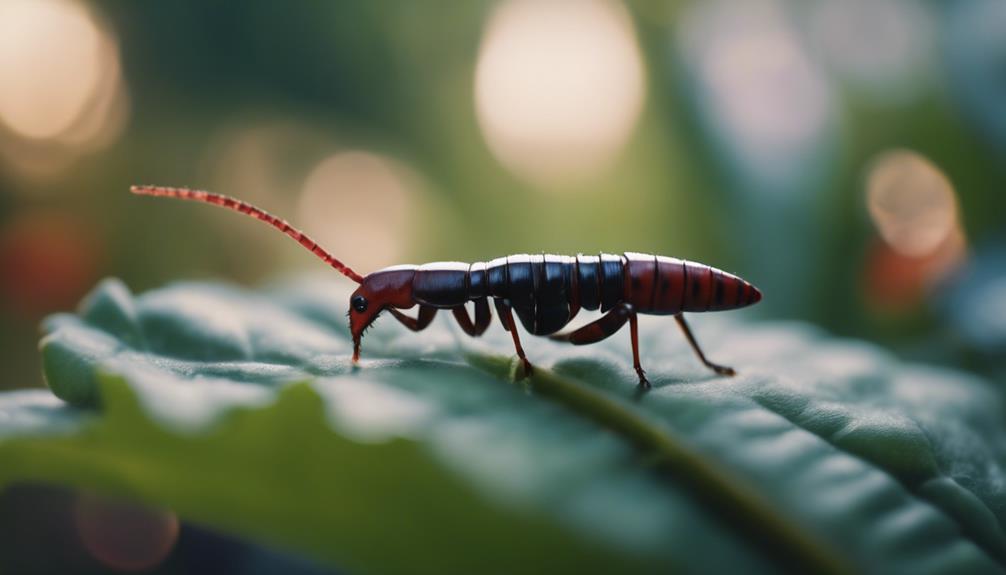
Many myths surround earwigs, including the unfounded fear that they crawl into human ears. This idea, along with other popular misconceptions, has falsely painted these creatures in a sinister light. It’s important to understand that earwigs don’t seek out human ears; this is just a myth stemming from their appearance and misinterpreting their habits.
Another common myth is that earwigs’ pinchers are used to bite people aggressively. In reality, their pincers serve mainly for defensive behavior and mating rituals, not for attacking humans. The fear that earwigs might use their pincers to harm people contributes significantly to homeowner troubles, as you might worry unnecessarily about their presence in your home.
Urban legends have also exaggerated the threat of earwigs, suggesting they’re dangerous pests. However, identifying these insects correctly can help alleviate your concerns. Earwigs are unlikely to bite; they’re more a nuisance than a threat. Understanding these facts can help demystify earwigs and reduce their stigma. So next time you spot an earwig, remember, it’s more scared of you than you’re of it, and it’s not out to pinch you without cause.
Identifying an Earwig Pinch
While it’s clear that earwigs aren’t the menacing pests some believe, you might still wonder what it feels like if one pinches you. Identifying an earwig pinch can help you understand this minor yet startling experience. Here are some key indicators:
- Two Red Marks: An earwig pinch typically leaves two small, spaced-apart red marks on your skin.
- Mild Bleeding: Occasionally, the pinch can break the skin, leading to mild bleeding.
- Swelling and Pain: The area around the pinch may become red, slightly swollen, and tender.
- Temporary Discomfort: Any discomfort from an earwig pinch is usually mild and temporary.
Earwigs use their pincers primarily for self-defense and to catch prey, not to attack humans. So, if you find these marks, it’s likely an instinctual reaction, not aggression. An earwig pinch isn’t a serious injury but can be startling. Understanding these signs helps demystify the experience and reminds you that it’s a temporary and minor encounter with nature.
Managing Earwig Encounters
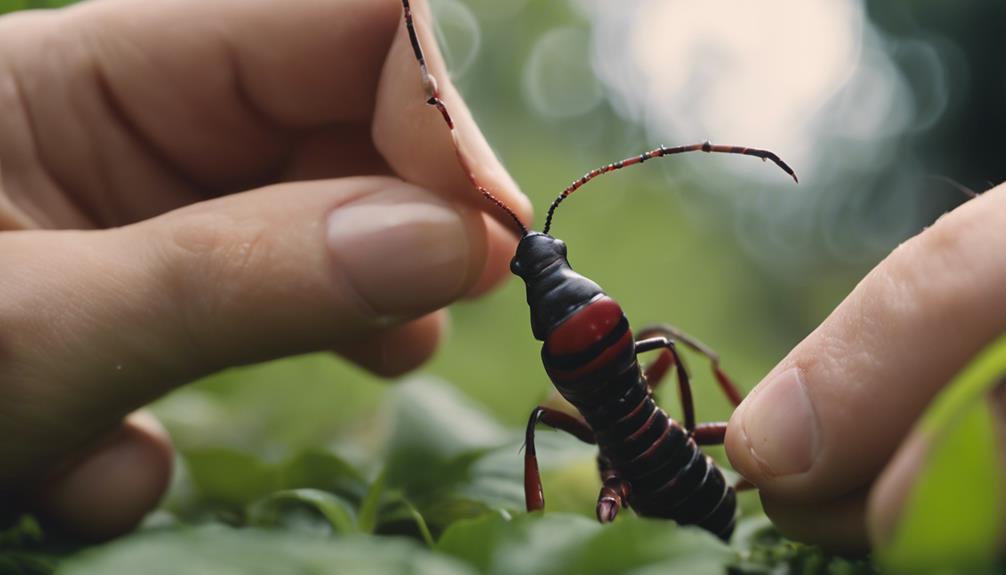
If you encounter earwigs, avoiding handling them is important to prevent unwanted pinches. These insects might look intimidating with their pincers, but they only pinch if provoked. To manage earwig encounters effectively, you’ll want to focus on their preferred habitats—dark and moist areas.
Keeping these areas dry and well-ventilated will deter earwigs from making themselves at home. Additionally, it’s essential to seal cracks and crevices around your house. This simple step can prevent earwigs from entering and possibly creating an infestation.
Regular maintenance, like sealing entry points, helps with earwigs and other pests. If you consistently find these critters at home, cleaning up any debris or clutter around your property might be time. These spots provide perfect hiding places for earwigs.
Should these steps not suffice and you suspect a serious earwig infestation, don’t hesitate to call a pest control professional. They’re equipped to handle the situation effectively and can provide tailored solutions to ensure your home remains free from these pinch-prone pests. Remember, managing earwig encounters is about prevention and prompt action.
Preventing Earwig Infestations
Now that you understand how to manage earwig encounters, let’s focus on steps to prevent an infestation in your home. Preventing earwig infestations begins with a proactive approach, ensuring your home remains less inviting to these pests. Here are four effective strategies to keep earwigs at bay:
- Seal Cracks and Crevices: Check around your doors, windows, and foundation. Use caulk or weatherstripping to seal any gaps. This simple step can greatly reduce the number of earwigs entering your home.
- Remove Excess Moisture: Earwigs thrive in moist environments. Fix any leaks and consider using dehumidifiers in damp areas of your home. This will make your space less attractive to earwigs seeking moisture.
- Trim Vegetation: Keep your garden tidy by trimming bushes and trees away from your home’s structure. Remove leaf piles and debris where earwigs might hide.
- Use Natural Controls: Diatomaceous earth and sticky traps are excellent for controlling earwig populations. Sprinkle diatomaceous earth around your home’s perimeter and place sticky traps in areas where you’ve noticed earwig activity.
Earwig Behavior Insights
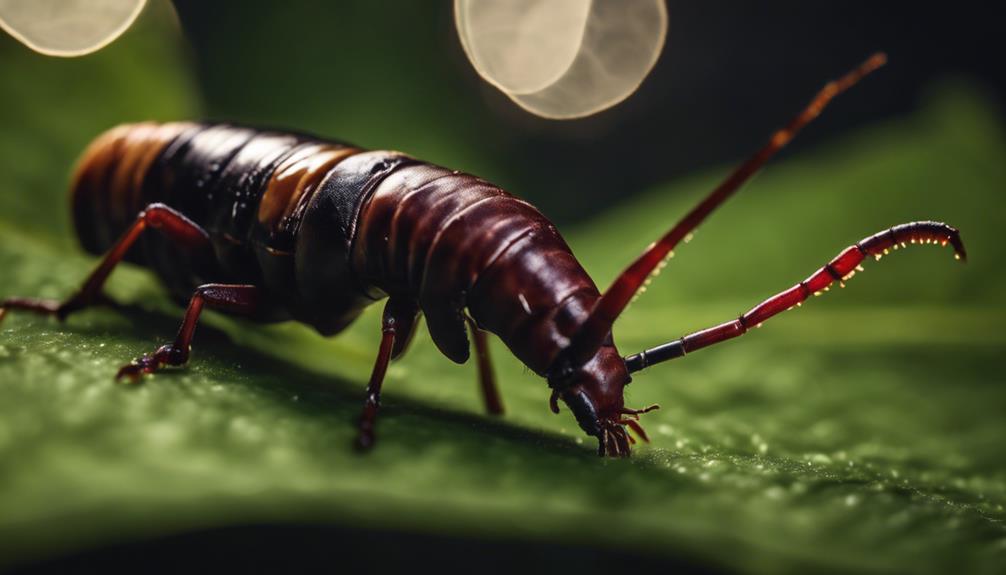
Earwigs pinch as a defense mechanism, so understanding their behavior can decrease your chances of an unpleasant encounter. These little creatures use their pincers mainly when threatened or accidentally handled. Knowing that their pinching isn’t an aggressive or harmful attack aimed at humans is important.
Instead, it’s a defensive mechanism to protect themselves. The pincers, while intimidating, aren’t powerful enough to cause significant harm. You might feel a slight pinch, but it’s more startling than painful. These appendages are multifunctional, aiding in catching prey and playing a critical role during mating rituals.
Knowing this, you can appreciate that their behavior is more about survival and reproduction than a desire to harm. There’s a common misconception that earwigs are dangerous or that their pinching can hurt you badly. However, this isn’t true.
Most of their actions, including using their pincers, are driven by instincts to defend themselves or secure their survival through reproduction. Understanding these facts can alleviate unnecessary fears and help you handle encounters with these unique insects more calmly and informedly.
Conclusion
Now that you understand earwigs better, you shouldn’t fear them. Their pincers might pinch, but it’s all in self-defense. Remember, if you spot an earwig, they’re not out to get you. Manage encounters calmly and focus on preventing infestations to keep them at bay. With these insights into earwig behavior, you can handle future encounters more confidently and appreciate these misunderstood critters’ essential role in nature rather than fearing an unwarranted pinch.
Discover More Articles:
Do Bugs Have a Sense of Touch? Exploring Insect Sensory Abilities
7 Fascinating Facts About Earwig Lifespan That Will Surprise You
Horse Lubber Grasshopper: Essential Facts and Identification Tips
