

Should We Care If Insects Feel Pain?
You probably already encounter insects daily, yet you might not pause to ask if they feel pain. Evidence suggests they can sense harm and respond in ways that look like distress. If pain matters to us, what does it mean for farming, research, and the way we manage ecosystems? The answers aren’t simple, and the stakes aren’t just academic. So where do you stand, and why?
Key Takeaways
- Insects exhibit nociception and distress-like responses, indicating they can experience harm signals that influence behavior and welfare.
- Evidence suggests insects may perceive pain to some degree, informing decisions about humane handling and experimental design.
- Ethical considerations rise in research and farming, prompting humane methods to minimize suffering and improve data quality.
- Legal and policy lag exist, but evolving discussions push for clearer standards to protect insect welfare.
- Practical strategies include humane trapping, non-lethal pest control, and welfare-focused pesticide choices.
The Evidence That Insects Might Feel Pain
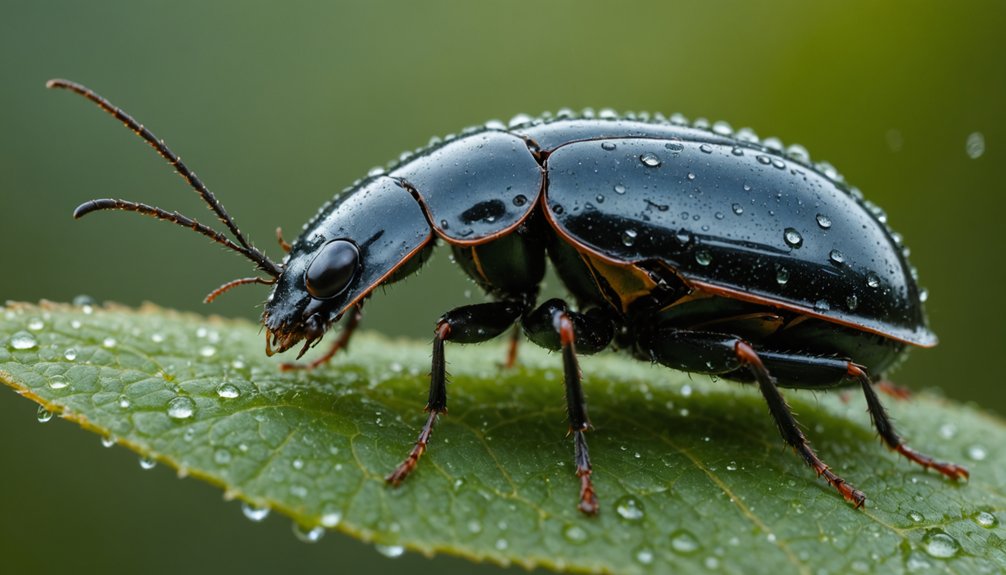
Researchers have found that insects respond to harmful stimuli in ways that resemble pain. You can see this in fruit flies and bees that show distress behaviors and avoidance when exposed to irritants like capsaicin, suggesting a capacity to feel pain. The evidence comes from behavioral studies where responses are modulated by analgesics, implying there’s more than simple reflex. Insects possess nociceptors to detect harmful stimuli, and after injury they exhibit heightened sensitivity, which points to an experience beyond rote reaction. Their cognitive abilities—decision-making and learning from experience—bolster the case that welfare considerations may apply. While questions remain about subjective experience, the data indicate a potential capacity to feel and a need to weigh welfare in our choices, for future research and policy discussions.
What Pain Means for Invertebrates
Because insects can detect harmful stimuli and alter their behavior after injury, pain in invertebrates may influence their decisions and welfare. You can see nociception as the first step, signaling potential danger, while scientific evidence suggests more. Insects feel pain? Maybe, given pain perception in some species, including bees and fruit flies, supported by behavioral responses to harmful stimuli. You weigh their capacity for suffering against differences from vertebrates, recognizing that cognitive processing and learning shape avoidance and habitat choices. This evidence informs insect welfare debates and how experiments or farming practices should be designed, until consensus clarifies conscious experience. The question remains how far nociception translates into suffering and ethical implications. You seek rigorous data to guide humane treatment and policy as well.
Ethical Implications for Research and Farming
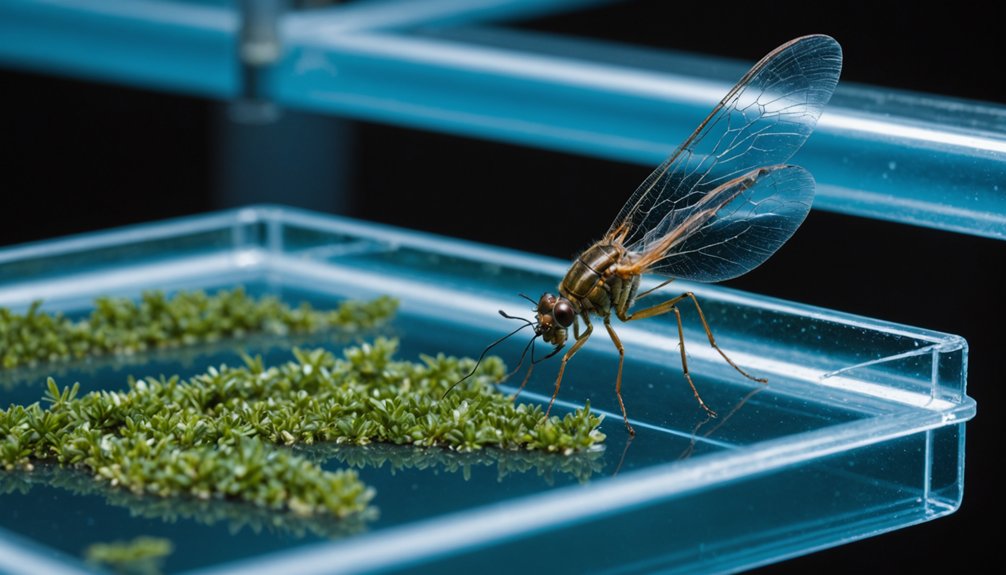
From understanding their responses to injury, we now face the ethical stakes in how we handle them in research and farming. You recognize that insects exhibit nociception and may feel pain-like sensations, which challenges traditional views and shapes welfare concerns in both fields. The Animal Welfare (Sentience) Act excludes insects, leaving ethical gaps, so you weigh duties to minimize suffering in experiments and agricultural settings. In humane research standards, reducing harm isn’t just compassionate—it improves data quality and reproducibility. Public opinion increasingly backs protections, influencing policy discussions about sustainable farming and pest management. You consider regulations and future safeguards, including humane pesticides and welfare-oriented protocols, to balance scientific progress with respect for sentience, as debate grows about what constitutes pain and suffering in insects.
How Law Is Reacting to Insect Sentience
As evidence for insect sentience accumulates, legal systems are slowly adapting, though progress remains uneven. You see advocacy groups press for recognition of insect sentience, arguing that cognitive abilities and pain experience warrant humane treatment and legal protections. The Animal Welfare Act, where applicable, signals a path, yet insect welfare remains underregulated and uneven across regulatory frameworks. In most countries, ethical oversight for invertebrate research is minimal, with Norway as a rare example of formal regulation. You sense policymakers weighing cautious regulation tailored to species, rather than broad vertebrate standards. Ongoing debates push scientists and ethicists toward clearer standards, heightened ethical oversight, and more robust legal protections driven by evolving evidence of insect welfare. These developments shape future laws, research practices, and public expectations.
Practical Ways to Reduce Insect Suffering

To reduce insect suffering, start by using humane trapping methods that capture and release insects instead of killing them. Adopt non-lethal pest control and align with ethical treatment guidelines to boost insect welfare. Emphasize the 3R principles—replacement, reduction, refinement—in research to minimize capacity to feel pain and reduce suffering. Promote public interest in humane pesticides that lower distress and support scientific research that respects sentience.
- Use humane trapping to capture and release insects, reducing harm and enabling study.
- Prioritize non-lethal pest control through natural predators and barriers.
- Choose humane pesticides that minimize pain and distress while maintaining effectiveness.
- Educate researchers and the public about ethical treatment guidelines in experiments.
Together, these steps support insect welfare and align with public interest in ethical science practices.
Debates and Unanswered Questions
Questions about insect pain keep rising as researchers recognize nociception in many species while the existence of subjective pain remains hotly debated. You confront questions of welfare and ethical concerns as mounting scientific evidence hints at sentience in some insects. Nociception lets them detect harm, but whether that signals conscious pain or subjective experiences is unsettled. The debate spans definitions of consciousness and pain, and questions persist about which species deserve protection in insect farming. Some scientists advocate precaution, urging humane handling because ethical concerns arise even without universal legal protections for insects. Future research should clarify subjective experiences and refine welfare standards to avoid unintended harm across farming and laboratory contexts. Until then, we grapple with uncertainty and procedural caution in decision making.
Frequently Asked Questions
Do Insects Feel Pain When We Squish Them?
Yes, they may feel pain in the sense of nociception and distress, though it’s debated whether it’s human-like pain. When you squish an insect, you likely trigger warning signals and withdrawal, plus stress behaviors. You should acknowledge that harming them can cause ecological ripple effects and raises ethical concerns. If you can, avoid causing unnecessary suffering, use humane handling, and minimize harm in research and pest-control practices, and more respect.
Do We Know if Insects Feel Pain?
We don’t know for sure if insects feel pain the way people do, but evidence suggests they can sense harmful stimuli and show pain-like, avoidance behaviors. They have nociception, neural pathways for pain modulation, and memories that influence choices, which aligns with some aspects of suffering. Researchers debate conscious experience, yet you should acknowledge their capacity for distress and treat them with care as science continues to clarify their states.
Do Bugs Feel Pain When You Spray Them?
Do bugs feel pain when you spray them? It’s not fully settled, but they show nociception and distress. You can trigger harmful responses, and analgesics can dampen those reactions, which suggests pain-like sensations. So yes, your spray could cause suffering, and it matters ethically. If you care, you minimize harm by using targeted methods, timing applications away from non-targets, and exploring humane alternatives whenever possible, for healthier ecosystems overall.
Conclusion
You don’t need certainty to act. Recognize that insects can feel distress and that their welfare matters, even if their brains are small. If you scheme farming, research, or pest control, aim for methods that minimize suffering and maximize ecological balance. Support humane standards, smarter laws, and practices. By choosing alternatives to needless harm and promoting humane innovation, you help create a world where all creatures’ welfare counts as we share the planet with them.
