

Impact of Temperature on Earwig Lifespan and Reproduction
You've likely noticed how changes in the weather affect your daily choices, from what you wear to how you spend your time outdoors. Similarly, temperature profoundly influences the biological processes of earwigs, affecting their lifespan and reproduction capabilities. As temperatures climb, you might find earwigs becoming more active, their lifecycles speeding up to take advantage of the warm conditions. But what happens when temperatures swing unpredictably or drop considerably? The impact on earwig populations can be substantial, with effects that ripple through their ecosystems. Let's explore how these tiny creatures adapt to such thermal challenges and what this means for their survival and proliferation.
Key Takeaways
- Optimal temperatures enhance earwig longevity and increase reproductive success.
- Warmer conditions accelerate earwig egg hatching and nymph development.
- Cold temperatures slow growth and reduce reproductive output in earwigs.
- Temperature fluctuations can lead to higher mortality rates in earwig populations.
- Higher temperatures generally boost earwig reproductive rates, leading to more offspring.
Temperature Ranges and Lifespan
Temperature ranges greatly impact the lifespan of earwigs, with optimal conditions enhancing their longevity and reproductive success. If you're studying European earwigs, you'll find that temperature isn't just an important detail; it's a pivotal factor that determines how long they live and how effectively they reproduce. This isn't just about a few degrees here or there. The right temperature can mean the difference between a thriving population and dwindling numbers.
Developmental Stages and Heat
As earwigs progress through their life stages, higher temperatures can greatly accelerate their growth and maturation. You'll find that the impact of temperature on development isn't just an essential detail; it's vital to understanding how earwigs thrive in varying environments.
Here are some key points about how heat influences the earwig life cycle:
- Egg Hatching: Warmer conditions can lead to earlier hatching of earwig eggs, setting the stage for a potentially longer growing season.
- Nymph Growth: As nymphs, earwigs develop more rapidly in higher temperatures, speeding through growth phases that are critical for their survival and reproductive readiness.
- Maturation Time: The time it takes for earwigs to reach adulthood is reduced when they're exposed to increased heat, enabling them to reproduce sooner.
- Effects of Temperature: Fluctuating temperatures can affect the overall health and developmental speed of earwigs, impacting their life expectancy and reproductive success.
- Population Dynamics: With faster development and earlier maturation, population cycles can shift dramatically, affecting the ecological balance.
Understanding these dynamics helps you grasp the broader implications of temperature variations on earwig populations. Remember, the effects of temperature are profound, influencing not just individual development but also shaping the broader ecological impacts.
Cold Exposure Impacts

While higher temperatures may speed up earwig development, exposure to cold can noticeably slow their growth and reproductive processes. If you're dealing with earwigs, understanding how cold exposure affects them is important. When temperatures drop, earwigs face significant challenges. Their development is delayed, which means it takes longer for them to reach maturity and start reproducing. This isn't just a minor setback; it's a substantial disruption that can affect their numbers over time.
Cold stress isn't just about slower growth. It also hits their reproductive output hard. Earwigs exposed to lower temperatures may not lay as many eggs, and those they do lay might have lower chances of survival. This reduction in egg-laying and hatch success directly impacts population growth, making it harder for earwigs to maintain or increase their numbers in colder climates.
For you, as someone interested in pest control or studying population dynamics, these insights are important. Cold exposure can be a natural deterrent to earwig proliferation. By incorporating strategies that leverage this vulnerability, you can more effectively manage earwig populations, ensuring they don't become a nuisance or disrupt ecological balance.
Optimal Conditions for Survival
To guarantee their survival and reproductive success, European earwigs need specific environmental conditions. They thrive in environments that provide a constant temperature, essential for their developmental stages. As you're managing habitats for high populations of these insects, consider the importance of maternal care, which greatly boosts the survival rates of the offspring.
Here are key factors to ensure ideal conditions:
- Cool Spring Temperatures: Ideal for egg hatching, which takes about 70 days under these conditions.
- Subterranean Nests: Constructed during late summer, these nests protect offspring and are vital for successful reproduction.
- High Moisture Habitats: Essential for maintaining life processes and reproductive success.
- Nocturnal Lifestyle: Limits exposure to predators and extreme conditions, enhancing survival.
- Access to Varied Food Sources: Including plant material, ensures adequate nutrition for energy and growth.
Temperature Fluctuations and Mortality
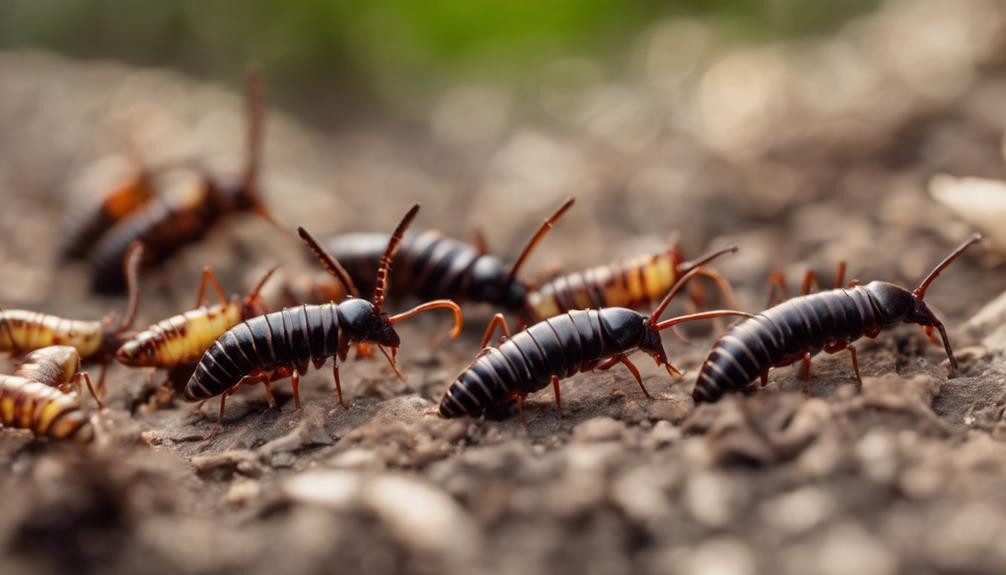
You should note that temperature fluctuations can greatly shorten the lifespan of earwigs, leading to increased mortality rates. These variations don't just alter their day-to-day existence; they fundamentally impact the survival rates of entire earwig populations. When temperatures swing widely, the stress on these creatures can become too great, accelerating their decline.
As you investigate further into how these fluctuations affect earwigs, you'll find that consistent, elevated temperatures aren't just uncomfortable for these insects; they're lethal. The higher the mercury climbs, the faster earwigs meet their demise. This is particularly important in understanding how sudden changes in their environment can decimate populations that aren't accustomed to such extremes.
Moreover, your insights into the specifics of temperature impacts are vital. Recognizing that not just the highs, but the erratic nature of these changes, spells disaster for earwigs, helps in predicting and possibly mitigating future declines in their numbers. It's not merely about the peak temperatures, but also how rapidly these peaks and troughs occur that dictates the survival rates of these populations.
Heat Effects on Reproductive Rates
How do high temperatures affect the reproductive rates of earwigs?
You might notice that as the temperature rises, so does the activity in the earwig community. This isn't just a vital aspect; heat plays a significant role in boosting their reproductive rates, which directly influences population growth. Here's how:
- Accelerated egg production: Earwigs exposed to warmer conditions tend to lay eggs more frequently.
- Shorter reproductive cycles: The time between mating and laying eggs decreases, allowing for more generations in a shorter period.
- Increase in offspring numbers: Higher temperatures often lead to earwigs producing more eggs per batch.
- Faster developmental time: The eggs and nymphs develop more quickly, speeding up the lifecycle.
- Enhanced reproductive success: Overall, these factors combine to increase the success rate of earwig reproduction under warm conditions.
Understanding this relationship is essential, especially if you're dealing with earwigs as pests. By manipulating environmental temperatures, you might be able to control their reproduction and manage their populations more effectively.
Lifecycle Acceleration in Warmth

While high temperatures boost earwig reproductive rates, they also accelerate their entire lifecycle, from moulting to maturation. You'll find that this accelerated development isn't just about growing up faster; it's about how quickly they can reproduce and increase their numbers. As temperatures rise, the moulting process speeds up. This means that earwigs don't just grow faster—they reach sexual maturity quicker, ready to lay eggs and multiply.
Now, with warmth influencing both lifespan and reproductive capacity, you're looking at a scenario where earwigs could potentially swarm in larger numbers. This isn't just a small change; it's a significant shift in population dynamics that could affect not just earwigs, but the entire ecosystem they inhabit. Warmer environments may favor these critters, allowing them to have higher survival rates and more frequent reproductive cycles.
Understanding these temperature variations is important for predicting how earwig populations will behave. If you're studying these creatures or managing areas where they're prevalent, grasping this aspect of their biology helps in preparing for shifts in their numbers, ensuring that their impact on local environments is kept under watchful eyes.
Cold Spells and Reproduction Reduction
Cold spells greatly hinder earwig reproductive success by affecting egg development and hatching rates. When you're observing these critters in your garden, you might notice a drop in their numbers following a cold spell. This isn't just bad luck; it's a direct consequence of lower temperatures impacting their breeding cycles.
Here's how these chilly periods can affect earwig reproduction:
- Reduced egg viability: The eggs of earwigs are less likely to survive when exposed to cold temperatures, particularly during critical development stages.
- Prolonged development time: Cold weather can slow down the egg development process, delaying the hatching time and disrupting the reproductive timeline.
- Disrupted breeding behavior: Earwigs found to be less active during cold spells, which can lead to decreased mating opportunities.
- Population dynamics impacted: With fewer offspring surviving to adulthood, the overall growth of the earwig population can be significantly stunted.
- Late spring vulnerability: If a cold spell hits in late spring, it catches earwigs during a pivotal reproductive period, potentially causing a notable reduction in the number of viable eggs.
As you manage your garden, keep an eye on the weather. A sudden cold snap might just be the reason you're seeing fewer earwigs around.
Thermal Tolerance in Earwigs

Earwigs' survival and reproductive success greatly depend on their ability to tolerate various temperature ranges. The thermal tolerance of these insects isn't just an essential detail; it's central to understanding how they'll fare as their environments shift. You'll find that earwigs have developed a range of behaviors to adapt to changing temperatures, which directly influences their lifespan and reproduction rates.
Research shows that earwigs thrive best within specific temperature windows. When the mercury climbs too high or dips too low, their development and survival rates can suffer dramatically. This sensitivity makes them particularly vulnerable to environmental changes that bring about unexpected temperature fluctuations.
Moreover, the way earwigs adjust their behavior in response to temperature changes is fascinating. They may seek shelter during extreme conditions or alter their active periods throughout the day to maximize reproductive success. These behavioral adaptations are vital for their survival and highlight the importance of thermal biology in their life cycle.
Understanding earwigs' thermal tolerance helps predict their responses to climatic shifts. It's essential for developing strategies to manage their populations effectively, ensuring that their presence doesn't become problematic while also conserving their role in the ecosystem.
Managing Earwigs in Diverse Climates
Given the sensitivity of earwigs to temperature fluctuations, effective management in diverse climates becomes a pressing concern. You'll find that earwigs' behavior and survival rates can drastically vary with temperature variations.
To help you navigate the challenge of managing earwigs effectively across different environmental conditions, consider these strategies:
- Monitor Temperature Closely: Keep an eye on local weather forecasts and temperature changes to predict earwig activity and reproductive cycles.
- Adjust Control Tactics Seasonally: Adapt your pest control methods to suit the seasonal climate factors, increasing efforts in warmer months when earwigs are more active.
- Implement Landscape Management: Modify the habitat around your home or farm to make it less appealing to earwigs. This includes reducing humidity and removing plant debris.
- Use Appropriate Pesticides: Select pesticides that are effective at the temperatures prevalent in your area. Some pesticides might've reduced efficacy at higher or lower temperatures.
- Educate on Best Practices: Stay informed about the latest research on earwig population dynamics and share this knowledge with your community for a coordinated management effort.
Understanding and adapting to the specific climate factors in your area will lead to more successful managing earwigs, ensuring that these pests don't disrupt your home or agricultural endeavors.
Conclusion
You've seen how temperature shapes the life and reproduction of earwigs in important ways. Whether it's the speed of their development in warmth or reduced reproduction during cold spells, understanding these effects is key.
By recognizing their thermal tolerance and best conditions, you can better manage earwig populations in various climates. Remember, maintaining stable temperature conditions can help maximize their survival and control their numbers effectively in your environment.
