
Are Earwigs Dangerous? Exploring Myths and Facts
You’ve probably heard some unsettling myths about earwigs, especially that they crawl into human ears. But how much truth is there to these stories? Although they look fearsome with pincer-like appendages, earwigs aren’t known to harm humans directly.
However, their presence can be quite a nuisance, and you might wonder what attracts them to your home in the first place. As we explore the reality behind these creatures, you’ll find more to ponder about their behavior and whether any risks are involved. Are you curious to discover what strategies might keep them at bay?
Key Takeaways
- Earwigs are not venomous and pose no direct threat to human health.
- They primarily use their pincers for defense and mating, not for attacking humans.
- There is no evidence that earwigs crawl into human ears or bodies.
- Earwigs can be a nuisance in gardens by damaging plants, but they are not harmful to people.
- Professional pest control can manage earwig infestations effectively, ensuring they are not a threat inside homes.
Understanding Earwig Behavior
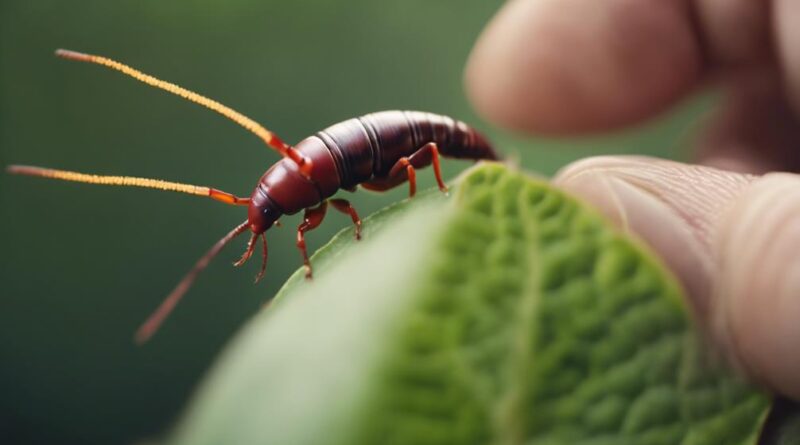
Despite their fierce appearance, earwigs aren’t out to harm you; they use their pincers primarily for defense and mating. These pincers might look important for their survival among other species. When you encounter an earwig, it’s more likely to scuttle away than to attack.
They’re naturally inclined to avoid humans, seeking out dark, moist environments where they’re less likely to be disturbed. Given their formidable pincers, you might wonder about the risk they pose. It could break the skin if one feels threatened enough to pinch, but this is exceptionally rare.
Typically, their first instinct isn’t aggression. The pinch is a last-resort defense mechanism rather than an offensive attack. Their primary use of these pincers is during mating, which is an essential aspect of their lifecycle, not a threat to people.
Understanding this can help you see earwigs in a less fearful light. They’re not lurking around with a desire to pinch; they’re equipped with a natural tool that aids in their survival and reproduction among many species in the wild.
Are Earwigs Harmful?
While earwigs don’t threaten humans, they can harm your garden by feeding on plants. These critters, especially the European earwigs, have a penchant for munching on seedlings and fruits. You might notice damage that looks similar to what caterpillars leave behind.
This can be frustrating as it often leads to significant harm to your garden’s aesthetics and productivity. You’ve probably heard myths about earwigs attempting to pinch humans with the pincers on their abdomen. However, it’s important to understand that these tools are primarily for defense and mating, not for attacking humans.
So, while the thought of those pincers might give you the creeps, they aren’t harmful to humans. Instead, their real threat lies in their potential to wreak havoc in your garden if not managed properly. To safeguard your plants, it’s vital to watch for signs of earwig damage and take steps to manage their population.
Remember, earwigs are more of a nuisance in your garden than a danger to you personally. By understanding their behavior and monitoring their presence, you can minimize the harm they do and enjoy a healthier, more vibrant garden.
Identifying Earwig Habitats

Understanding where earwigs make their homes is essential to managing their presence effectively. Earwigs prefer damp, dark environments where they can find moisture and shelter. You’ll often see them in your basement or crawlspace, and they’re also common in outdoor areas with dense vegetation.
Look for them in your garden, under piles of leaves, or in mulch where the environment is just right for them to thrive. These insects are drawn to decaying wood, where they can easily burrow and lay eggs, ensuring the continuation of their species.
It’s vital to recognize these habitats since the females, recognizable by their slightly curved pincers on their abdomen, are particularly protective of their nesting sites. This protective behavior is more pronounced when they lay eggs and rear their young. Additionally, bright lights can attract some species of earwigs.
You might find them entering your home through open doors and windows, lured by the illumination. By identifying these key habitats and understanding what attracts earwigs, you’re better equipped to manage their presence around your property, ensuring they don’t become a nuisance in your living spaces.
Earwig Prevention Tips
To keep earwigs at bay, seal cracks and crevices in your home’s walls and foundation. This step is essential as it blocks entry points, making it less likely for earwigs to invade your space. Since earwigs can be harmful depending on the species, it’s best to treat this issue seriously by installing door sweeps and repairing damaged window screens.
These barriers further protect your home from these pests. Next, consider adjusting the lighting outside your house. Switch to yellow bug lights, which are less attractive to earwigs and insects. This simple change can greatly reduce the number of pests drawn to your home, making it a less inviting environment for them.
Additionally, use a dehumidifier in damp areas of your home, like basements or laundry rooms. Earwigs thrive in moist conditions, so reducing humidity makes your home less appealing to them.
Methods for Earwig Removal

Now that you’ve implemented preventive measures let’s explore effective methods for removing earwigs if they still manage to invade your home. One efficient way is to use sticky traps around common entry points and damp areas where earwigs are likely to gather. These traps will catch them as they move, reducing their numbers quickly.
Additionally, applying diatomaceous earth around your home’s perimeter creates a barrier lethal to earwigs. This natural powder causes earwigs to dehydrate when they come into contact with it, leading to their demise. Make sure to reapply after any wet weather to maintain its effectiveness.
If you’re noticing a persistent problem or find that your efforts aren’t yielding the desired results, it might be time to call in professional pest control services. These experts can assess the situation thoroughly and apply more intensive treatments to eliminate the infestation.
Earwig Impact on Gardens
Earwigs can greatly damage your garden by feeding on young seedlings and soft fruits like strawberries. These pests are particularly harmful, leaving behind irregular holes and chew marks that can devastate your plant’s health. You may not notice them daily since they’re nocturnal, but their feasting becomes apparent in damaged foliage and weakened plants.
Several species of earwigs are known for their destructive habits, but the European earwigs are especially notorious for harming crops such as corn and grapes. These species can greatly reduce your garden’s yield and affect the overall health of your plants. It’s important to stay vigilant and check for signs of earwig infestations regularly.
You might want to contemplate setting up traps and barriers around your garden to combat these pests. These methods can help protect your young seedlings and soft fruits from becoming an earwig’s next meal. Regular monitoring and intervention can keep the damage at bay, ensuring your garden remains healthy and productive. Don’t let these small invaders undermine your gardening efforts.
Earwig Anatomy and Features

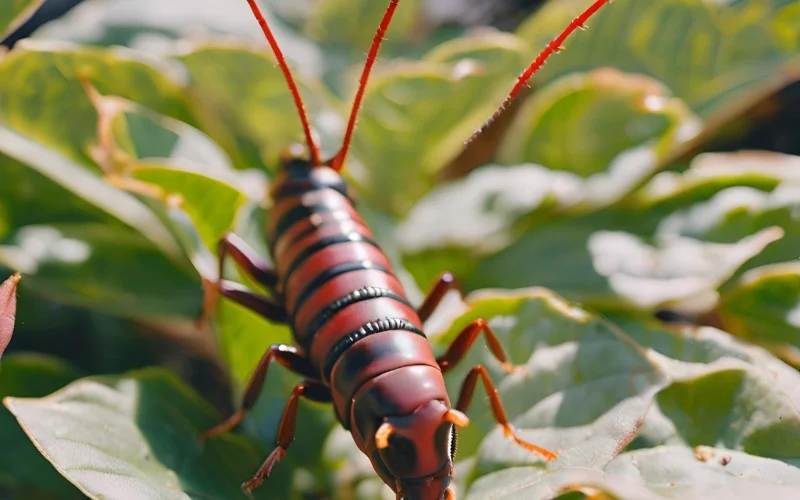
While you safeguard your garden from earwigs, it’s helpful to recognize their unique anatomy and features. These insects sport a pair of forceps-like pincers on the end of their abdomen, known as cerci. These pincers are used for defense and are more prominent in males than females. They also come in handy for mating and managing food.
Despite their fearsome appearance, earwigs aren’t nasty and don’t directly threaten humans. You might worry about those pincers having the ability to break the skin, but that’s more myth than reality. They lack the strength to do serious damage to humans and aren’t known to crawl into the ears of sleeping people to cause harm.
Understanding the anatomy of earwigs helps you differentiate them from other potentially harmful pests. Recognizing these features ensures you don’t mistake them for more dangerous insects. This knowledge can ease your mind when you encounter them in your garden, knowing they’re not a threat to you or your family, just to some of your plants.
Common Earwig Myths
Despite significant fears, you should know that earwigs won’t crawl into your ears while you sleep. This unsettling myth and the idea that these insects are keen on laying eggs in human brains have been thoroughly debunked by experts like those from Penn State College of Agricultural Sciences.
In reality, earwigs prefer staying in damp, secluded outdoor areas than exploring human ears. It’s important to understand that earwigs aren’t dangerous to humans in the ways folklore suggests. No evidence supports that earwigs target human ears or any part of the human body.
These myths likely sprang from their pincer-like appendages, which can appear intimidating but are primarily used for defense against other insects. You might be relieved to hear that in rare cases where earwigs are found near humans, it’s usually accidental.
These insects prefer environments that mimic their natural habitat, not the relatively dry and less sheltered human ear canal. So, next time you hear someone claim that earwigs are dangerous because they invade human ears or brains, you’ll know these are just myths unsupported by scientific evidence.
Contacting Pest Control Services

If you’re dealing with a severe earwig infestation, it’s advisable to contact professional pest control services for effective resolution. Though not a real threat to human health, earwigs can become a nuisance due to their large numbers and the intimidating pincers at the end of their abdomen.
These pincers can make them seem more dangerous than they are. Trained technicians from pest control companies are well-equipped to handle what you might call ‘earwigs‘—those that constantly seem to be near or inside your home. They can identify the specific factors attracting earwigs to your property and implement strategies to eliminate them.
This might include addressing moisture issues or sealing entry points around your home. Moreover, professional help doesn’t just rid your home of infestations; these specialists also provide valuable prevention methods to prevent earwigs from returning.
They’ll offer tailored advice and treatments based on the specific needs of your home environment. Don’t wait until the problem worsens. Contacting a pest control service for immediate assistance guarantees that your earwig issue is handled quickly and efficiently, restoring peace and safety to your home environment.
Conclusion
To summarize, you don’t have to worry about earwigs harming you. Their scary appearance is misleading, as they’re not dangerous to humans and don’t burrow into ears. If you’re dealing with an infestation, consider adjusting your home environment to deter them or contacting professional pest control.
They can help eliminate earwigs effectively, ensuring your home stays comfortable and pest-free. Remember, understanding and addressing the attractants in your environment is key to keeping earwigs at bay.
Discover More Articles:
Termite Soldier Facts: Anatomy, Behavior, and Defense Tactics
