

Bugs That Look Like Earwigs: Insights and Actions
You've probably spotted a bug in your home and wondered if it was an earwig, haven't you? Despite their distinct pincers, many bugs, like silverfish and rove beetles, are often mistaken for them due to similar features. It's important to distinguish these look-alikes not only to ease your mind but also to manage them effectively. By learning about their habitats and behaviors, you can take the right steps towards prevention and control. But how can you tell them apart and what should you do if you find them? Let's explore these questions together, and you might find the answers surprising.
Key Takeaways
- Silverfish and firebrats are often mistaken for earwigs due to their elongated bodies but lack pinchers.
- Rove beetles resemble earwigs and can emit an irritating spray as a defense.
- To differentiate, note that silverfish and firebrats damage paper and fabric, while rove beetles are predatory.
- Prevent infestations by maintaining dry, clean environments and sealing entry points.
- Consult a pest control professional for effective management and removal of these pests.
Identifying Earwig Look-Alikes
If you've noticed insects in your home resembling earwigs, it's important to accurately identify them to guarantee effective pest control. Let's clarify the physical characteristics of a few common look-alikes: silverfish, firebrats, and rove beetles.
Silverfish are easily recognizable by their long, slender silver-grey bodies. Unlike earwigs, they lack pinchers but are often found munching on your books, papers, and clothes. Firebrats share a similar body shape but sport a darker brown color. They thrive in hot environments like your attic or basement, feasting on organic materials.
Moving onto rove beetles, these insects also mimic earwigs with their elongated bodies and long antennae. However, they play a beneficial role by preying on other pests. Beware, though; they can emit a defensive spray that irritates the skin.
Understanding these differences is key in pest management. Incorrect identification can lead to ineffective treatment options and exacerbate infestations. Whether it's silverfish damaging your belongings, firebrats in your heat-rich zones, or beneficial but bothersome rove beetles, proper pest control strategies hinge on knowing exactly what you're dealing with in your home.
Common Misidentifications
Understanding the physical differences between pests is key; let's explore some common misidentifications of earwigs to sharpen your pest control strategies.
Often, you might mistake silverfish and firebrats for earwigs due to their similar appearances. Both these pests have elongated bodies that can initially appear similar to earwigs. However, taking a closer look can help you distinguish between them, ensuring you apply the right pest control measures.
Rove beetles are another group often mistaken for earwigs. With their elongated bodies and long antennae, it's easy to see why you might confuse the two. Yet, understanding the specific characteristics and behaviors of these insects is essential for proper identification. Unlike earwigs, rove beetles are predatory and can even cause skin irritation with their defensive spray, which isn't a concern with earwigs.
Habitat and Behavior Differences

Silverfish and firebrats often seek out warm, humid environments like your attic or basement, whereas rove beetles actively hunt other pests in various settings. Understanding these habitat preferences can help you manage potential infestations effectively. While silverfish and firebrats aren't predatory, their presence can lead to damage in your home. They're attracted to materials containing sugar, starch, or cellulose—think books, wallpaper, and clothing.
This behavior contrasts sharply with that of rove beetles, which serve as natural pest control agents by preying on other insects.
Rove beetles, however, have their downsides. Their defensive spray can irritate your skin, making them a concern if they become numerous. When dealing with these beetles, it's often wise to consult a pest control professional to assess and manage the situation properly.
Preventive Measures
To safeguard your home against bugs that resemble earwigs, it's important to adopt effective preventive measures. Start by maintaining a clean and dry environment inside your home. Clutter provides excellent hiding places for pests, so reduce it as much as possible. This simple step will help in controlling earwigs and their look-alikes by removing their preferred environments.
Seal any cracks and entry points around your home to prevent these pests from entering. This is especially important in areas where bugs are commonly found, like basements, attics, or any dark, damp spaces. Regular inspections in these areas will aid in early detection and help keep your home free from unwanted guests.
Avoid leaving out food crumbs and spilled liquids. Such residues can attract silverfish, firebrats, or rove beetles, all of which share habitats with earwigs. If you're struggling to get rid of earwigs or their counterparts, consider reaching out to a pest control professional. They can provide tailored advice and treatment options, ensuring that your efforts are effective and your home remains pest-free. Remember, professional help can make a significant difference in effectively managing pest populations.
Removal and Control Strategies
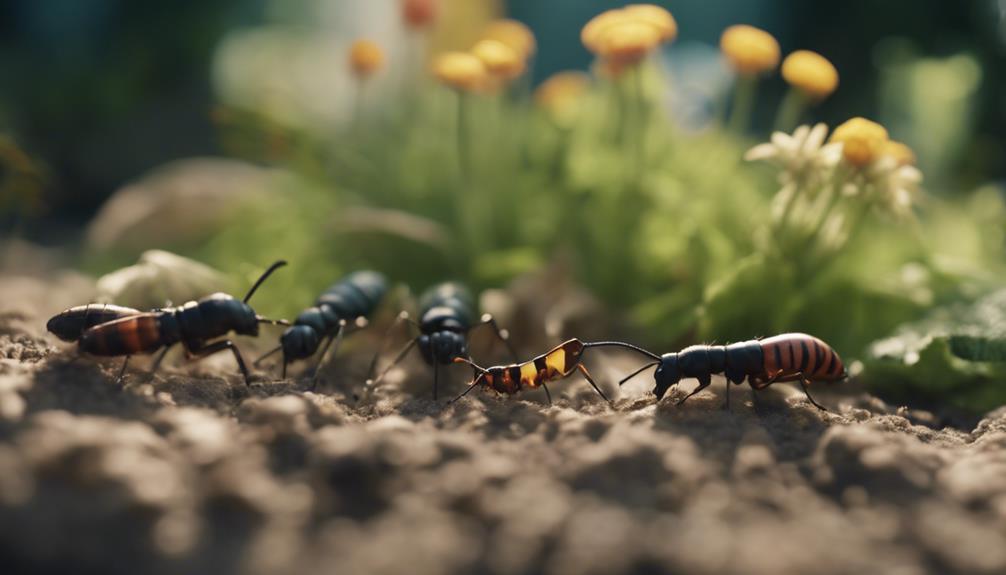
Start by implementing integrated pest management strategies to effectively remove and control bugs that resemble earwigs. You'll find that actions such as sealing cracks in your home's foundation, doorways, and windows can greatly deter these pests. It's also important to reduce clutter where bugs can hide and breed. By tidying up areas like basements and attics, you decrease their potential habitats.
Next, make sure to eliminate food crumbs from your kitchen and dining areas. This simple step cuts off food sources that attract these insects. If you're dealing with persistent bugs like firebrats, which thrive in warm environments, it's wise to contact a pest control professional. They're equipped to handle severe infestations more effectively than DIY methods.
Keep an eye out for rove beetles as well, especially since they can cause skin irritation. Regular monitoring of your home helps identify any early signs of infestation, enabling prompt action to prevent larger issues. Implementing ongoing treatment and prevention measures ensures that once the pests are gone, they stay gone. Don't forget, managing an infestation isn't just about reacting; it's about maintaining a clean and secure environment to prevent future problems.
Ecological Impact and Importance
Earwigs, often misunderstood as mere pests, actually play a significant role in maintaining ecological balance by controlling smaller insect populations. By preying on a variety of arthropods, they help manage pest populations that could otherwise damage plant life extensively. This natural form of pest management reduces the need for chemical pesticides, which can have harmful effects on other wildlife.
Moreover, some species of earwigs contribute to the decomposition of decaying plant matter. This not only aids in nutrient cycling but also enriches the soil, promoting healthier plant growth. Their habitat preferences, particularly in coastal areas, enhance ecosystem balance and increase biodiversity, which is essential for resilient natural environments.
You'll find that earwigs also exhibit remarkable behaviors such as maternal care. They protect and nurture their eggs, a rare trait in the insect world, highlighting their ecological importance. This maternal instinct ensures the survival of the next generation, maintaining their role in the ecosystem.
Understanding these aspects of earwigs' ecological impact can guide conservation efforts. It's important to recognize their beneficial roles and integrate this knowledge into broader ecological management and conservation strategies. So next time you see an earwig, remember, it's more than just a nuisance; it's a key player in the health of our ecosystem.
Conclusion
In your quest to distinguish earwig look-alikes, remember that understanding their unique behaviors and habitats is essential.
Don't confuse silverfish, firebrats, or rove beetles for earwigs. Keep your home clean, seal off entry points, and consider professional advice for effective management.
By doing so, you'll not only control these pests but also appreciate their ecological roles. Stay proactive in your efforts, and you'll maintain a healthier, pest-free environment.
