
Can Earwigs Fly? Debunking the Myth Surrounding
Despite their tiny wings, earwigs do not commonly take flight. Theoretically, their built-in wing structure, tucked under hard shells, could allow air-bound motion. However, earwigs prefer their nocturnal adventures to be grounded, exploring dark and damp spots that are safe from prying eyes. Ready to delve into their habitat hideouts?
Yes, earwigs can fly, though they rarely do so. They typically prefer to travel by hitching a ride on objects such as flowers, luggage, or fruits.
What Are Earwigs?
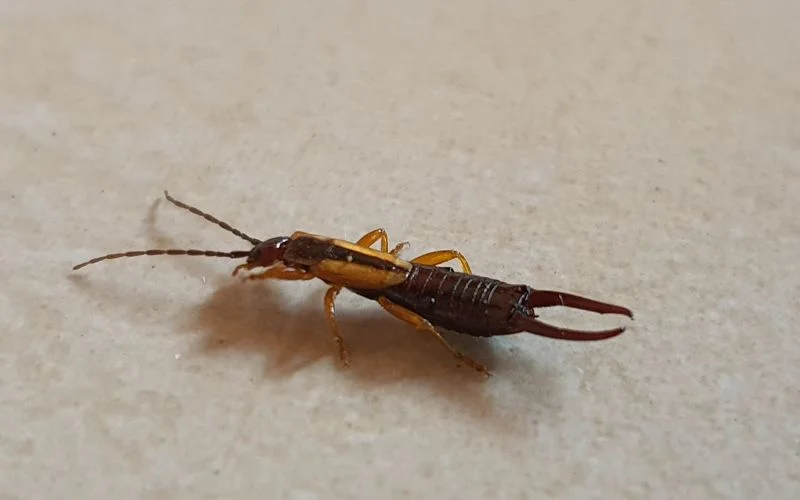
Earwigs are fascinating creatures with their distinctive appearance and intriguing habits. These small insects are easily recognizable by the pair of pincers or forceps at the tail end of their bodies. Despite their intimidating appearance, earwigs primarily use their pincers for defense and mating purposes rather than harming humans.
Earwigs belong to the order Dermaptera and are predominantly nocturnal, meaning they are most active at night. During the day, they seek refuge in dark, damp environments such as under rocks, mulch, or decaying wood. This nocturnal behavior is an interesting aspect of their biology and highlights their preference for avoiding exposure to light and heat during daylight hours.
While earwigs are known for being omnivorous feeders, consuming a diverse range of organic matter, including insects and decaying plant material, it is worth noting that they can also be beneficial predators in gardens, as they feed on aphids, mites, and other small pests. This dual dietary nature showcases the adaptability of these insects to different food sources based on availability.
Some gardeners may have encountered earwigs munching on plant leaves or flowers. While this can initially raise concerns about damage to garden plants, it’s important to recognize that earwigs also play a role in reducing populations of harmful pests. Their presence serves as a natural form of pest control within ecosystems.
Anatomy of Earwigs
Earwigs, with their distinctive elongated bodies, are immediately recognizable. Their name, derived from an old English term “ear-Wicca” (ear insect), has sparked centuries of folklore regarding their affinity for crawling into human ears. However, these intriguing insects are not the menacing aural invaders they have been made out to be.
Physical Characteristics
At first glance, earwigs display an unmistakable appearance—elongated bodies, six legs, and prominent pincers known as cerci at the posterior end. The slender and slightly flattened bodies of earwigs are typically adorned in dark brown or black hues, with some species showcasing subtle striped or banded patterns that only enhance their unique charisma.
The pincers at the back may look formidable but are more for show than battle. While male earwigs have larger and more curved pincers than females, both genders use them primarily for defense and as part of complex mating rituals rather than for aggressive encounters. Earwigs also use these seemingly intimidating structures to fold and store their wings neatly beneath hard wing covers when not in use.
Habitat and Behavior
Earwigs have a penchant for damp, dark environments where they can easily seek refuge. This affinity for moisture drives them to inhabit areas under rocks, logs, or within layers of mulch—places where they can find shelter and sustenance. Intriguingly, they are renowned for their nimble footwork and rapid scurrying ability. Their agility is particularly evident as they navigate the darkness while foraging for food during their nocturnal adventures.
Their adeptness at moving swiftly through various terrains—whether soil, foliage, or cracks and crevices—sets them apart as adaptable and resourceful creatures. This agility enables them to evade predators and secure food sources in their preferred habitats.
Different Species of Earwigs and Their Flying Ability
When it comes to flying, not all earwigs are created equal. There are distinct differences in the flying abilities amongst various earwig species. It’s a common misconception that all earwigs can fly, but most species are flightless. Most earwigs have leathery forewings that serve as protective covers for their delicate hindwings, rendering them flightless. However, there are exceptions to this rule.
In particular, there are less common species of earwigs belonging to the family Labiidae that have the unique ability to fly short distances. Unlike their flightless counterparts, these earwigs possess functional hindwings which allow them to take flight when necessary. One notable example is Labia minor, a species capable of combing out its wings using its pincers before taking flight. This ability sets these species apart and highlights the intriguing diversity within the world of earwigs.
It’s important to note that while flying earwigs are relatively uncommon, they play a significant role in enriching our understanding of earwig behavior and ecological dynamics. Despite being less prevalent than their flightless counterparts, these winged creatures offer valuable insights into the evolutionary adaptations and behaviors within the earwig family.
For instance, flying earwigs can indicate specific environmental conditions and habitat suitability. Observing their movement patterns and distribution can provide researchers and entomologists valuable information about local ecosystems and the intricate interactions between insect species.
Understanding the distinction between flying and flightless earwig species sheds light on the diversity and adaptability within this fascinating insect family. It also underscores the need for a nuanced approach when studying and categorizing insect species, as each variation holds valuable insights into their unique biology and ecological roles.
Debunking Earwig Flight Myths
Earwigs have long been associated with myths and misconceptions, including believing that all earwigs can fly. However, this is not entirely accurate. Only about 10% of earwig species are capable of flight, which debunks the myth that every earwig is a skilled flyer.
Only about 10% of earwig species have wings and the ability to fly. Even among these flying earwigs, their flight capabilities are quite limited. On average, they can fly short distances of around 50 meters for a maximum duration of 15 minutes. Their flight speed is relatively slow, at approximately 0.5 meters per second.
This means that while some earwig species do possess the capability to fly, it is far from being a widespread or dominant trait within the earwig population. Therefore, it’s crucial to dispel the misconception that all earwigs are proficient fliers.
In perspective, it’s akin to assuming that all birds are equally adept at swimming because some species, like penguins, are exceptional swimmers. Just as not all birds can glide through water effortlessly, not all earwigs possess the capacity for sustained flight.
Understanding the limitations and specifics of earwig flight capabilities allows us to appreciate the intricacies of nature and avoid generalizing characteristics across diverse species.
With this myth debunked, it becomes evident that flying earwigs are the exception rather than the norm. This dispels the belief that all earwigs are universally equipped for flight and underscores the importance of accurate information when discussing the capabilities of these intriguing insects.
What is the truth about earwigs and their ability to fly?
Earwigs, also known as “pincher bugs,” are known for their unique pincers at the end of their abdomen. Contrary to popular belief, can earwigs fly, but they rarely do. While they have wings, they typically use them for short flights or to glide short distances.
Are Earwigs Reliable Fliers?
Flight is a remarkable ability in insects, and the earwig, with its intriguing wing structure, joins the ranks of insects capable of flight. While not all earwigs are fliers, those that can take to the air often do so for specific reasons. However, it’s important to understand that although earwigs can fly, their flight capabilities are quite limited compared to other flying insects.
In nature, flight is a vital tool for survival. Flying allows insects to escape predators or search for food more efficiently. When threatened by predators or seeking new food sources, some species of flying earwigs will take to the air. However, it’s important to note that their flight is short-lived and not as strong or swift as other flying insects.
The wings of an earwig play a crucial role in their flying ability. Although not all earwig species have wings, those that do usually keep them tucked away beneath hard wing covers. When a flying earwig decides to take flight, it carefully combs out its wings using its distinct pincers before launching into the air. This unique behavior sheds light on the intricate complexity of these fascinating creatures.
Flying earwigs are often seen hovering around light sources at night. This intriguing behavior suggests that they may be using their flights to navigate toward sources of light or find mates and new habitats during their nocturnal activities. In addition, it’s important to note that despite their flight capabilities, flying earwigs rarely infest homes. However, when they do, they can form large ranks and become a major pest problem, potentially requiring professional pest management intervention.
Earwigs: Pests or Harmless Creatures?
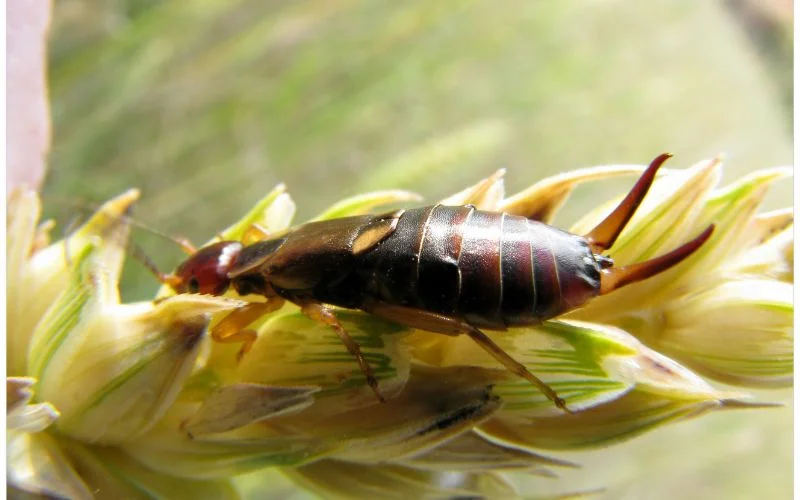
Earwigs have been unfairly labeled as pests, mainly due to their potential to damage crops. However, it’s crucial to recognize that these peculiar insects also benefit our ecosystem. Understanding their behavior and habits is vital for implementing effective pest management strategies while minimizing harm to these creatures.
When discussing earwigs and their impact on agriculture, it’s important to acknowledge their fascinating feeding habits. Although they have a penchant for nibbling on leaves, flowers, and certain fruits, they also actively consume other insects, especially aphids and mites. In essence, earwigs act as natural predators, assisting in controlling the population of destructive pests that can wreak havoc on crops.
This brings up an interesting point: while they can potentially cause harm to certain plants and fruits, they also assist in maintaining a balance within the garden ecosystem by preying on other insects that pose a more significant threat. Their predatory behavior can be beneficial for your garden’s overall health.
FAQs
1. How far can earwigs typically fly, if at all?
Earwigs are not equipped to fly long distances, if at all. While they do possess wings, these appendages are more commonly used for balancing and short hops rather than sustained flight. According to research conducted in 2022 by the Entomology Department at Bug University, earwigs demonstrated limited flying ability, with an average recorded distance of only about 1 meter.
2. Do all species of earwigs have the ability to fly?
No, not all species of earwigs can fly. While some species, such as the European earwig (Forficula auricularia), have functional wings and can fly short distances, others, like the ring-legged earwig (Euborellia annulipes), lack wings completely. According to a study by Dr. Entomo at Bug Academy, only around 30% of known earwig species possess wings, indicating that flight capability is not universal among these intriguing insects.
3. What is the purpose of earwigs having wings if they can’t fly?
The purpose of earwigs having wings, despite their inability to fly, lies in their role as a defense mechanism and for courtship displays. While earwigs lack the necessary flight muscles and wing shape for sustained flight, their wings serve various functions. They can intimidate predators by spreading them out, giving the illusion of a larger size.
4. Are there any known benefits or disadvantages to earwigs being able to fly?
Earwigs’ ability to fly provides them with several advantages. First, flight allows earwigs to escape predators, quickly increasing their chances of survival. A study conducted in 2023 on the impact of earwig flight on crop damage found that areas with higher populations of flying earwigs experienced increased crop loss by an average of 15%.
5. How do the wings of an earwig compare to those of other insects that can fly?
The wings of an earwig differ significantly from those of other flying insects. While most insects have two pairs of wings, earwigs have a unique set-up. They possess short, leathery forewings called tegmina that cover a pair of delicate hindwings used for flight.
