
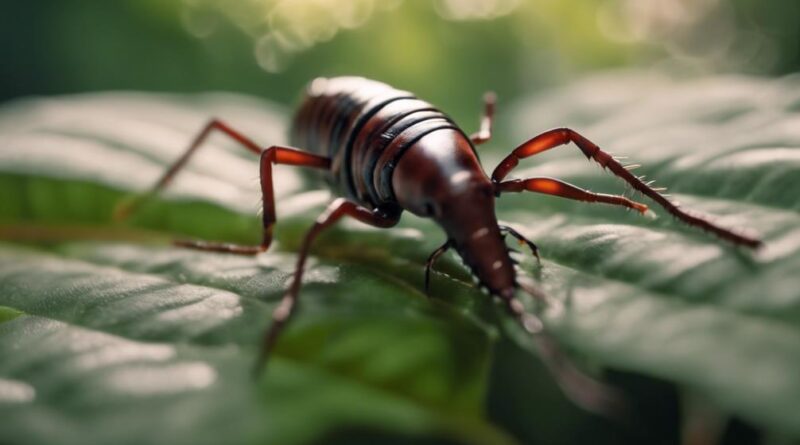
Determining Whether Earwigs Are Poisonous
You’ve likely heard the unsettling myth that earwigs are poisonous, creeping into ears and laying eggs in human brains. But how much truth is there to these tales? Let’s clear up some misconceptions. While it’s true that earwigs have pincers, they use them primarily for defense and prey capture, not as an evil threat to humans.
They don’t produce poison or transmit diseases, but that doesn’t mean they’re entirely benign. Consider the real implications of an earwig’s presence in your home and garden. What if their role in the ecosystem is more beneficial than you might think? Let’s explore what risks, if any, earwigs truly pose.
Key Takeaways
- Earwigs are not poisonous to humans or pets.
- They lack venom and do not pose health risks through biting or pinching.
- Myths about earwigs being venomous are unfounded and incorrect.
- The pincers of earwigs are used for self-defense, not for injecting poison.
- Earwigs emit a foul smell as a defense mechanism, not an indicator of toxicity.
Understanding Earwig Toxicity
Despite their intimidating appearance, earwigs aren’t poisonous to humans or pets. You might’ve heard myths about their venomous bite, but their pincers are venom-free. When earwigs feel threatened, they might emit a foul smell, which is purely a defensive tactic, not an indication of toxicity.
This odor might be unpleasant, but it’s essential to understand that the real issue with earwigs isn’t harm from poison but rather why they might be frequenting your space. Earwigs are attracted to moist environments and often enter homes through small entry points, such as gaps in doors, windows, or foundation cracks.
To keep earwigs at bay, seal these entry points and manage the moisture levels in your home. Make sure that your basements, bathrooms, and kitchen areas are dry and well-ventilated. Addressing these factors will make your home less inviting to earwigs, steering clear of unnecessary worry about their non-existent venom.
Earwig Defense Mechanisms
Understanding that earwigs aren’t poisonous leads us to explore how they defend themselves. Despite common fears, you’ll find that earwigs don’t rely on venom or toxins. Instead, they’ve developed a unique method to protect themselves from predators. When threatened, earwigs emit a foul smell from their abdomens.
This isn’t just any bad odor—it’s a significant, specific scent designed to deter potential threats. This smell, while unpleasant, isn’t harmful or toxic to humans or pets. You won’t need to worry about health risks from this defensive tactic. This ability to release an odor significantly affects earwigs’ survival.
Without any poisonous qualities, this defense mechanism is their best bet in evading danger in the wild. Understanding earwig defense mechanisms helps clear up many misconceptions about these creatures. They’re not out to harm you; they’re equipped to protect themselves in a very non-threatening way to humans.
Health Risks of Earwigs

Earwigs guarantee no health risks to you or your pets since they aren’t poisonous and don’t transmit diseases. When you come across these insects, you might notice a foul smell or see them release a liquid; these are merely defense mechanisms, not indicators of toxicity.
You don’t need to worry about earwigs causing harm through disease transmission or poison. Furthermore, if an earwig pinches you, it’s because they feel threatened, but even then, their pincers aren’t toxic. The pinch might be startling or uncomfortable, but it poses no health risks.
It’s important to ensure you understand that these creatures are mostly harmless despite their somewhat menacing appearance with prominent pincers. To guarantee peace of mind, remember that these insects aren’t out to harm you. Their actions are defensive, not aggressive.
There’s no need to be overly concerned about your health when dealing with earwigs. Just keep in mind they’re more interested in escaping than engaging. So next time you spot one, there’s no need to panic— they’re not harmful to your health.
Managing Earwig Infestations
To manage earwig infestations effectively, start by sweeping up any visible earwigs and releasing them outside. This simple action is the first step in your treatment plan to control earwigs around your home. Remember, the goal is to minimize their presence without harming the environment or using harsh chemicals. Here are some additional strategies you can incorporate:
- Seal Entry Points: Inspect your home for any cracks and crevices. Seal these potential entry points with caulk or weather stripping to prevent earwigs from coming indoors.
- Reduce Moisture: Fix leaky faucets and guarantee proper drainage around your home. Earwigs are attracted to moisture, so keeping areas dry is key.
- Encourage Natural Predators: Birds and toads are natural predators of earwigs. Add a bird feeder or a small pond to attract these helpful creatures.
- Use Sticky Traps: Place sticky traps where you notice earwig activity. This will help reduce their numbers without spreading chemicals around your living spaces.
- Apply Diatomaceous Earth: Sprinkle diatomaceous earth around the perimeter of your home. This natural substance effectively controls earwigs and is safe for pets and children.
Implementing these steps will help you maintain a more earwig-free environment.
Identifying Earwig Habitats
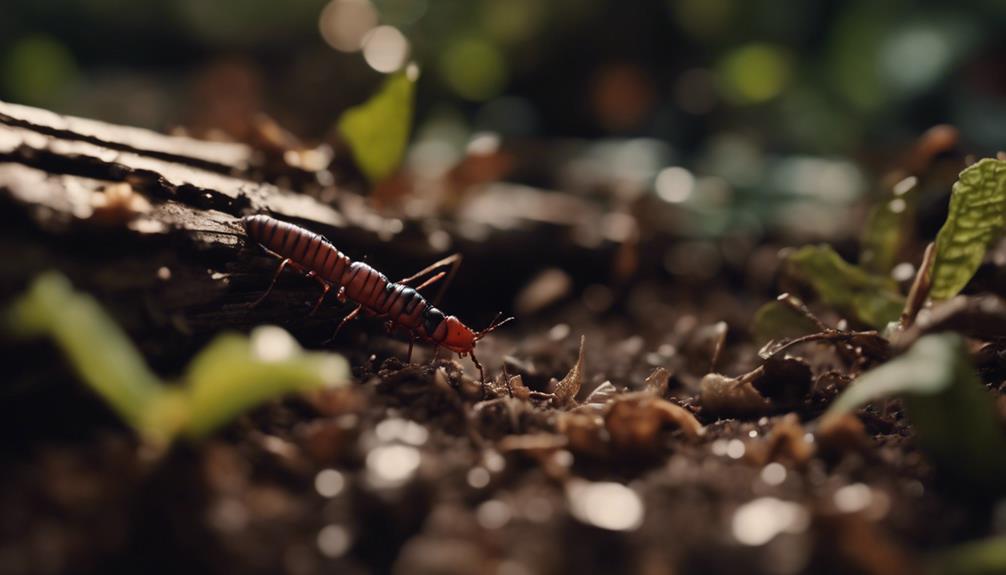
Identifying where earwigs make their homes is vital to preventing their infestation. You’ll commonly find these pests in dark, damp areas. Look under rocks, logs, and layers of mulch where moisture collects; these are favorite spots for earwigs. They’re attracted to these moist environments, which provide them with the conditions to thrive.
When you’re identifying earwig habitats, don’t overlook your own home. During unfavorable weather, such as excessive rain or extreme heat, earwigs may migrate indoors. Check your basement, bathrooms, and kitchen. These areas often provide the damp conditions earwigs seek.
If you find them here, it’s a sign you’ve got a moisture issue that needs addressing. Focus on gardens, flower beds, and accumulated plant debris outdoors. These areas can harbor earwigs, especially if they’re left unkempt. Regular maintenance and cleanup of these spaces are essential. Removing potential earwig habitats reduces their likelihood of becoming a problem inside your home.
Earwig Diet and Behavior
After exploring where earwigs live, let’s examine what they eat and how they behave. You might find it interesting that earwigs aren’t picky eaters. They’re omnivorous, meaning they’ll munch on plants and other insects, making them beneficial and bothersome in your garden. They thrive in the dark and damp, venturing to forage at night, enhancing their mysterious aura.
- Imagine earwigs stealthily moving through your garden under darkness, searching for their next meal.
- Picture them as nature’s little cleaners, munching on dead plants and fungi and helping decompose them.
- Visualize a skirmish in the soil as earwigs hunt down pests like aphids, playing the role of unsung heroes.
- You may occasionally see them nibbling on the petals of your favorite flowers. Their actions are bittersweet as they can be both harmful and helpful.
- Think of their secretive lifestyle: They are hidden away during the day and emerge at night, adding an element of intrigue to their existence.
While earwigs can be a nuisance, they’re not aggressive towards humans and aren’t harmful like evil creatures. Their role is more about balance in your garden’s ecosystem, showcasing that not all bugs are pests in the traditional sense.
Preventing Earwig Entry
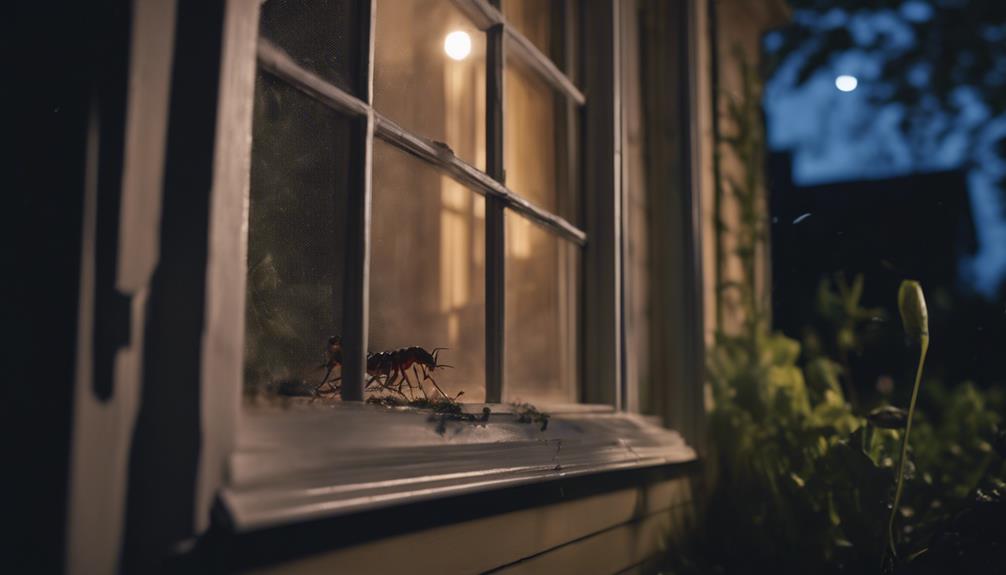
If you want to keep earwigs out of your home, seal cracks and crevices in your walls and foundation. This fundamental step is essential for deterring European earwigs and keeping other pests, like bed bugs, at bay. Next, consider the lighting outside your house.
Switching to yellow bug lights can greatly reduce the attraction of earwigs to your living space, as these lights are less appealing to them. Don’t overlook the importance of door sweeps and repairing damaged window screens. These barriers are effective in preventing earwigs and similar pests from sneaking in.
Remember, earwigs thrive in moist environments, so it’s important to address any dampness around your home. Keep moisture levels low, especially in basements, kitchens, and bathrooms, to make your home less inviting to them.
Lastly, a perimeter defense can be quite potent. Applying diatomaceous earth around the foundation creates a lethal barrier for earwigs trying to enter. This non-toxic powder is safe for use around children and pets, making it an excellent choice for family homes. Implementing these strategies will greatly reduce the likelihood of earwig issues.
Myths About Earwigs
One common myth is that earwigs are poisonous, but this is not true. You might’ve heard some spooky stories about these little creatures, particularly their dangerous appearance and behaviors. However, the fear that many earwigs could pose a toxic threat is unfounded. Despite their fierce look, earwigs aren’t equipped with any venomous capabilities.
Their pincers might look menacing, but they’re mainly used for self-defense and inter-species battles, not for attacking humans. The notion that these pincers could inject poison is a classic example of misinformation. Here are a few vivid images that have fueled myths about earwigs:
- A shadowy figure of an earwig creeping up in a dark, damp basement.
- The sudden pinch of an earwig’s pincers on an unsuspecting gardener’s hand.
- Earwigs are scuttling in large numbers under a pile of wet leaves.
- The eerie sight of earwigs during a moonlit night adds a layer of creepiness.
- A lone earwig emerged from an overripe fruit, its pincers glinting threateningly.
Conclusion
So, you’ve learned that earwigs aren’t poisonous and pose no serious health risks to you or your pets. They might look a bit scary with their pincers, but they’re mostly harmless and don’t carry diseases. Instead of worrying, focus on managing infestations and preventing future ones by sealing entry points and maintaining clean habitats. Remember, the myths about earwigs are just that—myths. Now, you can handle these critters with more understanding and less fear.
Explore More Articles:
Types of Earwigs: Insights and Actions to Protect Your Home
Home Remedies for Earwig Infestation: Expert Tips
What Eats Aphids: The Ultimate Guide to Natural Pest Control
