
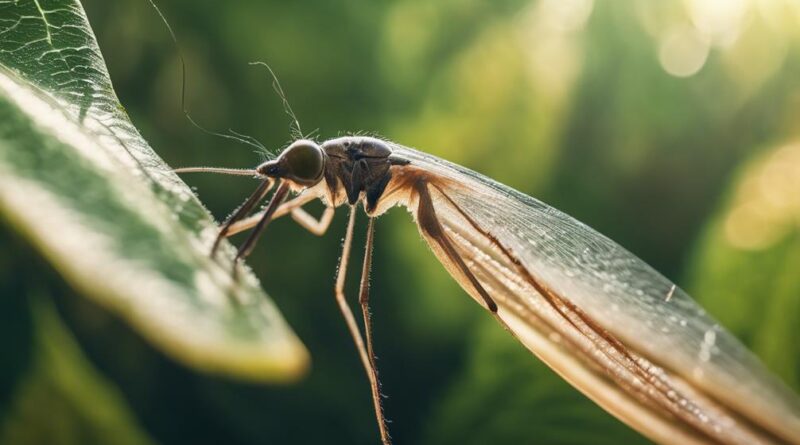
Elephant Mosquito: Behavior, Habitat, and More Unveiled
When you think of mosquitoes, you probably imagine tiny, bloodsucking pests, but the Elephant Mosquito breaks this mold entirely. Discovered in the early 19th century, this unique insect is known for its impressive size and non-bloodsucking diet of plant nectar and pollen.
Unlike its significant relatives, the Elephant Mosquito is essential in controlling other mosquito populations by preying on their larvae. Imagine a mosquito that helps reduce the number of those irritating bites you get in summer. Are you curious about how this unusual predator fits into our ecosystems? There’s much more to uncover.
Key Takeaways
- Elephant mosquitoes do not bite humans or animals, feeding exclusively on nectar and plant sap.
- They are predators of other mosquito larvae, aiding in natural mosquito population control.
- They are globally distributed but originally from Australia and found in wetlands, swamps, and ponds.
- Large sizes up to 1 inch and unique wing patterns distinguish them from other mosquitoes.
- Their larvae exhibit aggressive predatory behavior, significantly reducing disease-carrying mosquito populations.
Discovery and History

In the early 19th century, entomologists discovered the remarkable elephant mosquito. Due to its size, they initially mistook it for a flightless insect. As researchers examined these insects more closely, they realized they had exceptional flying abilities, which set them apart from other mosquito species.
Members of the Entomological Society were particularly fascinated by these mosquitoes, known scientifically as Toxorhynchites. They quickly recognized that these were the largest known species of mosquitoes, which contributed to the initial confusion about their flight capabilities.
The Entomological Society’s records from that era detail the discovery process and the subsequent studies on Toxorhynchites. Unlike their blood-feeding relatives, elephant mosquitoes rely on plant nectar, pollen, and other sweet substances for nutrition.
This unique dietary habit intrigued scientists and shifted their focus toward understanding the mosquito’s ecological role and evolutionary adaptations. Despite their size, which can reach up to 1 inch (20 millimeters) in length, these mosquitoes play a benign role in their habitats.
The early entomologists’ findings laid the groundwork for a deeper understanding of Toxorhynchites and their place in the natural world, highlighting their significance and distinct characteristics within the mosquito family.
Physical Characteristics
Elephant mosquitoes, known for their impressive size, can grow up to 1 inch (20 millimeters) in length, making them the giants of the mosquito world. Unlike other mosquitoes, they don’t have the mouthparts required for bloodsucking.
Instead, they thrive on plant nectar, pollen, and sweet substances. Their large size and unique feeding habits set them apart from their smaller, bloodsucking relatives. Their larvae play an important role in the ecosystem. These young elephant mosquitoes are voracious predators, feasting on the larvae of other mosquito species.
This predatory behavior helps in natural mosquito population control, acting as a form of biological control by reducing the number of potentially disease-carrying mosquitoes. You can identify elephant mosquitoes by their distinctive physical characteristics:
- Size: At up to 1 inch, they’re noticeably larger than most mosquito species.
- Wing Patterns: They often have unique wing patterns to help identify them.
- Feeding Apparatus: They lack the bloodsucking mouthparts found in many other mosquitoes.
- Larval Aggression: Their larvae are aggressive predators of other mosquito larvae.
Habitat and Distribution

You’ll often find elephant mosquitoes inhabiting wetlands, swamps, ponds, and artificial containers. These environments provide the perfect habitat for their larvae to develop. Despite their adaptability to various surroundings, their breeding rates are relatively low, meaning you won’t encounter them as often as other mosquito species.
Originally located in Australia, elephant mosquitoes have spread globally. They thrive in tropical rainforests and temperate climates, showcasing their versatility. Their ability to adapt to different habitats is a key factor in their widespread distribution.
Even though they can be found in diverse environments, their low breeding rates keep their population in check. This contributes to a slim chance of encountering them frequently.
Interestingly, while they don’t directly benefit you, elephant mosquitoes indirectly help by reducing populations of disease-carrying mosquitoes. They achieve this through their unique larval behavior, which we’ll discuss later.
Feeding Habits
Unlike many other mosquito species, elephant mosquitoes feed exclusively on sugary substances such as flower nectar, plant sap, honeydew, and juices from rotting fruit. They don’t bite humans or animals, making them unique and harmless.
Their diet primarily focuses on nectar, which they expertly extract using their trunk-like proboscis, adept at reaching deep into flowers. Interestingly, elephant mosquito larvae are pivotal in controlling other mosquito populations.
They prey on the larvae of other mosquitoes, which helps reduce the spread of vector-borne diseases. Here’s a quick overview of their feeding habits:
- Nectar Feeding: Adults feed on nectar, which provides them with the necessary energy for survival.
- Plant Sap: They also consume plant sap, adding variety to their nutrient intake.
- Honeydew: This sugary secretion from other insects serves as another food source.
- Rotting Fruit: Juices from decaying fruit offer an additional sugary sustenance.
Life Cycle Stages

Explore the fascinating life cycle of elephant mosquitoes, which unfolds through four distinct stages: egg, larva, pupa, and adult. It all starts when female elephant mosquitoes lay their eggs on the surface of water bodies.
These eggs hatch into larvae, which are aquatic filter feeders. As larvae, they play an essential role in controlling other mosquito populations by preying on their larvae for nutrition.
After the larval stage, the mosquito enters the pupal stage. Pupae don’t feed; instead, they undergo a remarkable transformation. Inside this pupal casing, the insect’s body reorganizes itself into its final form. This metamorphosis culminates in the emergence of the adult elephant mosquito.
Once they become adults, these mosquitoes primarily feed on plant fluids like nectar and honeydew, unlike other mosquito species that seek blood.
This diet sets them apart and underscores their importance in the ecosystem as pollinators rather than pests. The cycle continues as adult females lay their eggs, ensuring the next generation of elephant mosquitoes.
Understanding these life cycle stages helps one appreciate elephant mosquitoes’ unique characteristics and their role in natural pest control and pollination.
Larvae Behavior
Elephant mosquito larvae exhibit aggressive predatory behavior, preying on other mosquito larvae to support their rapid growth and development. You’ll notice that these larvae have a vital role, consuming many mosquito larvae.
Their unique larvae behavior is fascinating and essential for their survival and growth. Here’s a closer look at their behavior:
- Cannibalistic tendencies: Elephant mosquito larvae don’t hesitate to prey on their kind. This cannibalistic behavior helps them secure a reliable food source.
- Population control: They naturally regulate mosquito populations in their habitat by feeding on other mosquito larvae. Their presence can reduce the number of disease-carrying mosquitoes.
- Rapid development: The nutrients they gain from consuming other larvae allow for faster growth and development, giving them an edge in survival.
- Aggressive hunting: These larvae aren’t passive feeders. They actively seek out other mosquito larvae, showcasing their predatory nature.
Understanding elephant mosquito larvae’ behavior highlights their role as natural population controllers in aquatic environments. Their cannibalistic tendencies and aggressive predation ensure they thrive while keeping other mosquito species in check, which is essential for maintaining the balance in their ecosystems.
Role in Ecosystem

In the ecosystem, elephant mosquitoes play a vital role in naturally controlling populations of disease-carrying mosquitoes. Their larvae are voracious predators, feeding on the larvae of other mosquito species that are known vectors for diseases like malaria and dengue.
Elephant mosquitoes indirectly protect human health by reducing these populations. Their presence contributes greatly to ecosystem diversity. Elephant mosquitoes prey on various predators, including birds, fish, and other insects.
This role as both predator and prey helps maintain a balanced food web and supports the overall health of their habitats. You can often find them in wetlands, swamps, and ponds, underscoring their adaptability and importance in different environments.
Moreover, elephant mosquitoes help regulate insect populations. Their predatory nature keeps the numbers of other insects in check, ensuring no single species dominates the ecosystem.
They also act as indicators of aquatic habitat health. Spotting elephant mosquitoes often signals a thriving and balanced ecosystem. Their indirect benefits to human health and direct contributions to ecological stability make them indispensable players in their natural habitats.
Predatory Behavior
You might be fascinated to learn that the larvae of elephant mosquitoes exhibit aggressive predatory behavior, specifically targeting other mosquito larvae. These larvae have a voracious appetite for their prey, which mainly includes the larvae of different mosquito species, often those that act as mosquito vectors for various diseases.
By consuming these harmful larvae, elephant mosquito larvae contribute greatly to controlling populations of disease-carrying mosquitoes. Consider these intriguing aspects of their predatory behavior:
- Importance: Elephant mosquito larvae primarily prey on the larvae of other mosquitoes, making them effective natural control agents.
- Essential Killing: Studies have shown that late instar larvae exhibit compulsive killing behavior, eliminating more prey than they can consume.
- Survival Skills: These larvae can resist starvation and survive without prey for extended periods, enhancing their potential for integrated mosquito control strategies.
- Impact on Population: Their predatory habits play an important role in reducing the abundance of mosquito vectors in various habitats, indirectly lowering the risk of mosquito-borne diseases.
Understanding elephant mosquito larvae’s predatory behavior highlights their importance in the ecosystem and their potential role in natural pest control.
Impact on Mosquito Control

By preying on other mosquito larvae, Toxorhynchites rutilus greatly aids in the natural control of disease-carrying mosquito populations. This predatory behavior makes them an effective tool in mosquito control, as they target the larvae of mosquitoes that spread diseases like malaria, dengue, and Zika.
Unlike chemical pesticides, which can harm the environment and other non-target species, Toxorhynchites rutilus offers a sustainable and environmentally friendly alternative.
Regarding biological control, Toxorhynchites rutilus stands out as a remarkable example. By reducing the number of disease-carrying mosquitoes, they contribute to public health without the need for toxic chemicals.
Their life cycle includes a larval stage, during which they actively hunt and consume other mosquito larvae, directly impacting mosquito populations. This natural predation helps keep the ecosystem balanced and reduces the reliance on chemical interventions.
Toxorhynchites rutilus are beneficial allies in integrated mosquito management programs. Their role emphasizes the importance of using biological control methods to manage mosquito populations sustainably.
By incorporating these beneficial predators into mosquito control strategies, you can effectively reduce the spread of vector-borne diseases and promote a healthier environment.
Research and Studies
Extensive research explores elephant mosquitoes’ unique feeding habits, ecological roles, and interactions with other mosquito species. Scientists have delved into various aspects to better understand these intriguing creatures.
For instance, scanning electron microscopy has been used to study elephant mosquito eggs’ physical characteristics and reproductive behaviors. This method allows researchers to observe minute details that aren’t visible to the naked eye.
Studies also focus on the effects of temperature and photoperiod on dormancy induction in elephant mosquito larvae, which helps understand their life cycle and survival strategies.
Additionally, elephant mosquitoes are being investigated for their potential as biocontrol agents to manage mosquito populations in diverse habitats. Given that elephant mosquitoes prey on other mosquito species, this could be a breakthrough in mosquito control.
Key research areas include:
- Feeding habits – Examining what elephant mosquitoes consume and how they consume them, particularly their predatory behavior.
- Ecological roles – Understanding their impact on the ecosystem and other species.
- Reproductive behaviors – Insights gained from egg studies using advanced microscopy techniques.
- Biocontrol potential – Evaluating their effectiveness in controlling other mosquito populations.
This research is vital for developing innovative mosquito management strategies and enhancing our insect ecology knowledge.
Conclusion
You’ve now got a glimpse into the fascinating world of the Elephant Mosquito. Its unique characteristics and behaviors make it an essential part of our ecosystems. Preying on other mosquito larvae and thriving on plant nectar helps maintain ecological balance and even aids mosquito control.
This remarkable insect proves that not all mosquitoes are nuisances; some, like the Elephant Mosquito, are true ecological heroes. So, next time you hear about mosquitoes, remember their unsung champion.
