

How to Get Rid of Earwigs With Proven Methods
If you’ve noticed small, dark insects with pincers lurking around your garden or home, you’re likely dealing with earwigs. While they’re more of a nuisance than a threat, it’s understandable you’d want to keep them at bay. You can start by reducing moisture in and around your home, as earwigs thrive in damp environments.
But here’s where it gets interesting: certain homemade traps and natural repellents can be surprisingly effective against these critters. Are you curious about what might work best in your situation or if you should consider stronger interventions? Let’s explore some proven methods that can help maintain an earwig-free space.
Key Takeaways
- Reduce moisture by fixing leaks and using dehumidifiers to deter earwig habitats.
- Seal entry points with caulking and weather stripping to prevent earwig access.
- Set traps using molasses or soy sauce to control earwig populations directly.
- Apply food-grade diatomaceous earth around infested areas to eliminate earwigs.
- Use yellow outdoor lights to reduce the attraction of earwigs to your property.
Identifying Earwig Infestations
To identify an earwig infestation, look for signs like holes in leaves, chewed stems, and fruits with missing parts. These pests are notorious for damaging a wide range of plants in your garden, turning lush greenery into a perforated mess. If you’re noticing more of these signs, it’s important to start thinking about eliminating earwigs effectively.
During your investigation, check under wet leaves, mulch piles, or inside tree holes where earwigs love to hide during the day. These areas provide the perfect shelter for earwigs to thrive, as they prefer cool, damp places. Don’t overlook the proximity of these hiding spots to your home, as earwigs can easily migrate indoors.
Another telltale sign of an earwig problem is their attraction to lights. Inspect around porch lights or patio areas at night. Earwigs are nocturnal and are often drawn to bright lights, where you might spot them scurrying around. Monitoring these areas after dusk can give you a good indication of the level of infestation.
Reducing Moisture Levels
After identifying an earwig infestation, you must focus on reducing moisture levels around your home and garden to keep them at bay. Earwigs are drawn to damp environments, so lowering these levels can help deter them. Here’s a straightforward approach to achieving indoor and outdoor dryness:
- Fix Leaky Faucets and Address Plumbing Issues: Start by repairing leaky faucets and resolving plumbing problems. This prevents excess moisture from accumulating, a major attraction for earwigs.
- Ensure Proper Drainage: Whether it’s your garden or basement, ensuring proper drainage is essential. This prevents standing water, which earwigs find irresistible.
- Use a Dehumidifier: To reduce humidity in particularly damp areas of your home, like basements or laundry rooms, consider installing a dehumidifier. This helps maintain lower moisture levels indoors, making the environment less welcoming for earwigs.
- Ventilate Damp Areas: Increase ventilation in areas prone to dampness. This could be as simple as opening windows or using exhaust fans in bathrooms and kitchens to help circulate air and dry the moisture.
Sealing Entry Points
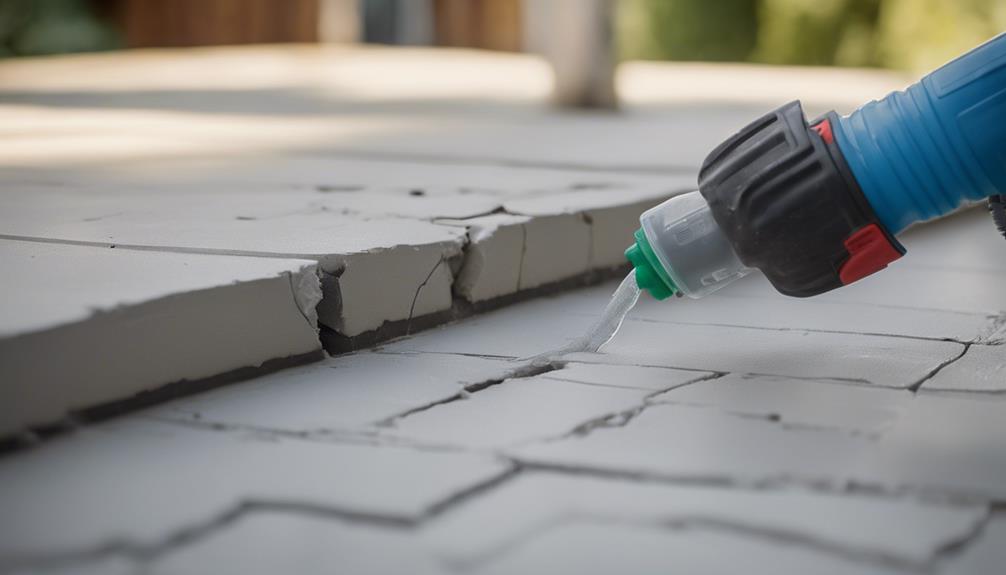
Once you’ve tackled moisture issues, it’s imperative to seal any gaps and cracks where earwigs could enter your home. Start by inspecting the perimeter of your house. Look closely at windows, doors, and the foundation. You’ll want to seal gaps with caulking, ensuring a tight barrier against these pests.
Weather stripping and door sweeps effectively block entry points along door frames and windows that might be overlooked. Next, turn your attention to the screens on your doors and windows. Inspect screens for any tears or holes. If you find damage, repair damaged screens promptly; this keeps earwigs out and other unwanted insects.
Don’t forget areas where utility pipes, vents, and cables enter your home. These can be significant entry points for earwigs. You’ll need to fill gaps around these areas with a suitable sealant thoroughly. This step is vital in creating a complete barrier against earwigs.
Using Yellow Outdoor Lights
Switching to yellow outdoor lights can greatly decrease the number of earwigs attracted to your home. By opting for this subtle change in your garden or property lighting, you’re implementing a clever strategy to deter these pesky insects.
Yellow lights are less appealing to earwigs than standard white or bright lights, effectively minimizing their presence around your living spaces. Here’s why you should consider using yellow outdoor lights:
- Reduced Attraction: Earwigs are less drawn to the yellow spectrum, reducing their likelihood of congregating where you don’t want them.
- Simple Implementation: Installing yellow bulbs or covers is an easy DIY task that can make a significant difference.
- Broad Impact: While targeting earwigs, yellow lighting also discourages other insects, enhancing your property’s overall pest resistance.
- Aesthetic Appeal: Yellow lights provide a warm, inviting glow that enhances the ambience of your outdoor areas without attracting unwanted guests.
Setting Traps and Baits

While yellow outdoor lights help deter earwigs, setting traps and baits offers a direct method to control their population. You can create an effective earwig trap using everyday ingredients like molasses or corn syrup, cooking oil, and soy sauce. This combination attracts earwigs and acts as a killer once they’re trapped.
Bury these traps in areas where you notice earwig activity. The trap’s dark colour mimics a hole, which naturally attracts earwigs, making it an excellent strategy for earwig control.
Applying Diatomaceous Earth
To combat earwig infestations effectively, apply diatomaceous earth around your garden’s perimeter and near plants. This eco-friendly substance dehydrates these pests upon contact. It’s a non-toxic method, guaranteeing you can maintain your garden’s health without harsh chemicals. Here’s how you can use diatomaceous earth to eliminate earwigs:
- Choose Food-Grade Diatomaceous Earth: Make sure it’s food-grade to guarantee safety for your plants and pets.
- Apply in Dry Conditions: Moisture can lessen its effectiveness, so opt for a dry day to spread it around.
- Focus on Infested Areas: Target the garden’s perimeter and base of plants where earwigs are likely to hide.
- Reapply After Rain: Since rain can wash it away, you must reapply to maintain its pest control properties.
Considering Chemical Treatments

If you’re looking for a quicker solution to your earwig problem, consider using chemical treatments such as sprays or granules containing active ingredients like spinosad or sevin. These pesticides are highly effective at reducing earwig populations.
You can apply these treatments at night when earwigs are most active, ensuring that the pesky critters come into direct contact with the toxic ingredients. Chemical treatments, while powerful, carry risks, especially if you have kids or pets. Ingredients like malathion and pyrethrins can be harmful if not handled correctly.
Always follow the label instructions and consider your family’s and local wildlife’s safety. To boost your earwig control efforts, don’t rely solely on chemical treatments. Integrating trapping and sanitation measures can greatly enhance effectiveness.
Regularly remove garden debris and use traps to catch earwigs without resorting to chemicals. This approach minimizes the need for pesticides while maintaining a balanced ecosystem in your garden.
Seeking Professional Help
When battling a serious earwig infestation, you may find that seeking professional help is the most effective solution. Professional pest control experts can offer thorough solutions tailored specifically to your situation, ensuring that your indoor and outdoor spaces are reclaimed from these pests. Here’s why you should consider professional help for earwig control:
- Tailored Treatment Plans: Reputable pest control services design interventions specific to your home’s needs, considering the severity and location of the earwig infestations.
- Integrated Approaches: Professionals use a combination of methods that target the elimination of earwigs and preserve beneficial insects. This holistic view helps maintain the ecological balance in your garden.
- Follow-up Visits: To make certain that the treatment is effective, professional pest control includes follow-up visits. These are important for evaluating the progress of the earwig control measures and making adjustments if necessary.
- Expertise in Reclaiming Outdoor Spaces: Experts have specific strategies to free your outdoor areas from earwigs, allowing you to enjoy your yard without the nuisance of these pests.
Conclusion
You’ve got the tools to tackle earwigs effectively! Start by spotting signs of infestation, then cut down on moisture and seal their entryways. Switch to yellow outdoor lights to keep them at bay, and set traps using ingredients like molasses.
Sprinkle diatomaceous earth where they lurk, and don’t shy away from chemical treatments if needed, following all safety tips. Call the pros for a customized plan if it all seems overwhelming. Stay vigilant, and you’ll keep those pesky earwigs in check!
Explore More Articles:
7 Fascinating Facts About Earwig Lifespan
