

How Ultrasonic Pest Repellers Work: Science Behind the Solution
Ultrasonic pest repellers may pose unknown dangers, emitting sounds believed to drive pests away. While this technology seems tempting for those plagued with unwelcome critters, it is important to consider their potential downsides.
Studies suggest a correlation between these devices and health issues such as sleep disturbance and headaches. These findings might compel one to prioritize peace over pest control. Let’s dive into the noise.
While ultrasonic pest repellers are generally considered safe, some individuals may experience discomfort due to emitting high-frequency sounds.
As with any technology, it’s important to use these devices according to the manufacturer’s instructions and be attentive to any adverse reactions. If you have specific health concerns, consulting a healthcare professional is advisable.
Negative Effects of Ultrasonic Pest Repellers
While using high-frequency sound waves to drive away pests may seem ingenious, several issues require careful consideration. One significant concern is the inconsistency in their effectiveness.
Scientific evidence on the efficiency of ultrasonic pest repellers is mixed, with some studies displaying limited results. The Federal Trade Commission (FTC) has even warned manufacturers for making unsupported claims about their effectiveness.
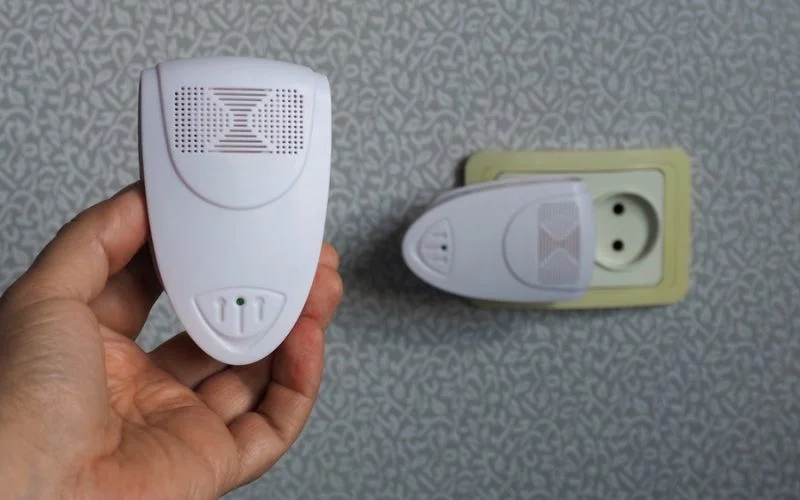
Furthermore, factors such as room size, device placement, types of pests, emitted frequency, environmental conditions, and pest population density can all impact the performance of these devices.
This challenges users when assessing their reliability across different settings and scenarios. Understanding these drawbacks is crucial for making informed decisions about implementing pest control measures in your home.
As we weigh the potential benefits against these possible pitfalls, it becomes clear that a comprehensive approach to pest management may require a combination of strategies tailored to specific infestations and environmental factors.
Noise Levels and Health Risks in Humans
It’s easy to assume that the high-frequency sound emitted by ultrasonic pest repellers can’t possibly negatively affect us because we can’t hear it. After all, how could a sound beyond the range of human hearing be harmful?
However, it’s important to remember that even though we can’t hear these ultrasonic sounds, they are still present and may impact our health.
Noise pollution is a well-documented cause of various health issues. Prolonged exposure to high-frequency noise has been linked to sleep disturbances, headaches, migraines, dizziness, and even fainting in some cases.
While the sounds emitted by ultrasonic pest repellers are not detectable by humans, they can still impact our well-being. Studies have shown that exposure to continuous ultrasonic noise can interfere with the body’s ability to relax and enter deep sleep, leading to disrupted sleep patterns and fatigue.
Mitigating the Health Risks
Given the potential health risks associated with prolonged exposure to high-frequency sounds, users who choose to use ultrasonic pest repellers must take steps to mitigate these impacts.
One practical approach is strategically placing the devices in areas that humans less frequently occupy. Individuals can reduce their risk of negative health effects by minimizing direct exposure to the emitted sound waves while benefiting from pest-repelling capabilities.
Understanding how noise levels and human health risks intersect with ultrasonic pest repellers highlights the importance of informed decision-making regarding their use. Individuals must weigh the potential benefits against these recognized risks and take proactive measures to minimize any adverse impacts.
Impact of Ultrasonic Repellents on Pets
Our pets are integral parts of our families, and it’s important to consider how products in our homes might affect them. Ultrasonic pest repellents emit high-frequency sounds intended to deter pests like mice and insects, but household pets can also pick up these noises.
Cats, rabbits, guinea pigs, and hamsters are known for their keen sense of hearing. When exposed to high-pitched noises, they may become distressed or agitated. Pet owners must be aware of these potential effects and monitor their pets’ behavior when using ultrasonic pest repellers in their homes.
Please familiarize yourself with your pet’s everyday behavior so it’s easier to detect any changes that could indicate distress or discomfort.
If your pet reacts to an ultrasonic pest repeller, you might notice changes in its behavior. For example, cats may avoid certain areas of the house where the repeller is located.
When exposed to high-frequency sounds, dogs might display restlessness, barking, or whining. These behaviors could indicate that your pet feels uncomfortable due to the ultrasonic emissions.
Indoor Air Quality and Ultrasonic Device Usage
Using ultrasonic pest-repellent devices has raised questions about their potential impact on indoor air quality. Although these devices do not release any chemicals into the environment, concerns have emerged regarding the continuous emission of ultrasonic noise and its effect on air quality, especially in enclosed spaces such as homes and offices.
Indoor air quality refers to the air condition within and around buildings, particularly concerning the health and comfort of occupants. The continuous emission of ultrasonic noise by pest-repellent devices has prompted discussions about the potential effects on indoor air quality.
This is significant because poor indoor air quality can lead to various health issues, including allergies, respiratory problems, and general discomfort.
Prolonged exposure to certain noise levels can cause annoyance, sleep disturbance, or other long-term health issues. The continuous operation of ultrasonic pest repellents may contribute to noise pollution within indoor spaces, impacting the overall well-being of occupants.
Ineffectiveness of Ultrasonic Pest Repellents
Pests are pretty crafty critters, and they’ve proven to be quite adaptable when encountering ultrasonic sound waves. What may initially seem like a significant deterrent can quickly become background noise for pests, especially if they learn that the sound doesn’t pose any real threat.
It’s like living near a train station; after a while, the sound of trains passing becomes less noticeable, blending into the everyday environment. This adaptability poses a significant challenge to the effectiveness of ultrasonic pest repellers.
A study conducted by researchers at Kansas State University found that ultrasonic devices had little to no effect on controlling cockroach populations within an apartment complex. This study emphasized these repellers’ limited impact on altering pest behavior and reducing infestations.
Safe Use of Ultrasonic Repellents

While ultrasonic pest repellers are ineffective in eliminating pests, they can still be used as part of a larger pest control strategy. It’s important to be cautious and consider alternative pest control methods that are both effective and humane.
One key consideration is the impact on pets. Choosing a location for the repeller that minimizes pets’ exposure to the emitted sound is essential.
Another crucial aspect of safe usage is addressing concerns about the impact on wildlife. If you use ultrasonic pest repellers outdoors, it’s vital to ensure they do not affect birds or other wildlife in your area. Responsible usage involves being mindful of the potential consequences on the broader ecosystem.
FAQs
Are ultrasonic pest repellers safe for humans and pets?
Ultrasonic pest repellers have been deemed safe for humans and pets. Extensive research and testing have shown no evidence of harmful side effects on humans or animals.
What do users of ultrasonic pest repellers report the common complaints or negative experiences?
Common complaints reported by users of ultrasonic pest repellers include lack of effectiveness in getting rid of pests, inconsistent results, and limited range. Some users have also noted that the high-frequency sound emitted by these devices can bother humans and pets.
Do ultrasonic pest repellers work in repelling pests?
Ultrasonic pest repellers may not be as effective as they claim to be in repelling pests. While some studies suggest that these devices can drive away certain pests like mice and rats, the effectiveness varies depending on factors such as the size of the infestation and the layout of the space.
Are any studies or research supporting or debunking ultrasonic pest repellers’ effectiveness and safety?
Yes, numerous studies and research have been conducted on ultrasonic pest repellers. Many studies suggest that these devices are ineffective in repelling pests and may even harm pets and humans.
Explore More Articles:
Assassin Bug Florida: Facts, Behavior, and Control Tips
Exploring Whether Earwigs Hurt You
How to Get Rid of Earwigs in the Garden Quickly in Your Garden
