

Uncovering the Mystery: Why Are They Called Earwigs
Have you ever wondered why earwigs are named that way despite their lack of connection to human ears? This peculiar name traces back to an old wives’ tale about these insects crawling into people’s ears while they sleep.
Intriguingly, similar myths exist across various cultures, which might make you curious about how these tales influenced the naming of earwigs and persisted through the ages. As we explore the origins and debunk the myths surrounding these misunderstood creatures, you’ll discover how folklore can shape our understanding of the natural world in unexpected ways. What other myths might be influencing our perception of everyday wildlife?
Key Takeaways
- The name ‘earwig’ derives from Old English ‘ear’ (ear) and ‘wicga’ (insect), implying an ‘ear insect.’
- Folklore myths inaccurately suggest earwigs crawl into human ears.
- The earwig’s hindwings unfold in a way that resembles a human ear, influencing their name.
- Across Europe, similar names, such as German ‘ohrwurm’ and Hungarian ‘fülbernászó,’ also connect earwigs to ears.
- Despite myths, modern understanding confirms earwigs do not target human ears nor pose a threat.
Origins of the Name ‘Earwig’
The name ‘earwig‘ comes from the Old English term ‘ear insect,’ reflecting age-old myths about these creatures. Although these myths are now considered baseless, the eerie name persists, capturing your imagination. You might wonder why such a peculiar name was chosen.
It’s thought that the unique shape of the earwig’s hindwing, which unfolds much like a human ear, played a role in this naming. Throughout Europe, similar connections are evident in names like the German ‘ohrwurm’ or the Hungarian ‘fülbernászó,’ both translating to something akin to ‘earworm.’
This fascination with ears is intriguing, especially when considering earwigs’ real habits. They don’t crawl into human ears but are more interested in dark, moist environments where they can lay their eggs. Understanding this, you realize how far removed the name is from the earwig’s true nature.
It’s a product of historical misunderstandings rather than accurately describing the insect’s behavior or preferences. As you further investigate the world of earwigs, you’ll find these myths less convincing, replaced by a clearer picture of these unique insects.
Earwig Myths Debunked
Despite popular belief, earwigs won’t crawl into your ears while you sleep. This old wives’ tale is one of the most common earwig myths, stemming from ancient misconceptions and language. You’ve likely heard such stories, perhaps making you wary of these harmless creatures. Let’s set the record straight and debunk these myths once and for all.
| Myth | Fact | Impact on Perception |
|---|---|---|
| Earwigs crawl into ears | Earwigs do not target human ears | Creates undue fear and disgust |
| Earwigs are harmful | Earwigs are mostly harmless to humans | This leads to the unnecessary killing of earwigs |
| Earwigs spread diseases | No evidence supports earwigs as disease vectors | Misrepresents earwig’s ecological role |
| Earwigs cause infestations | Earwigs are not typically home invaders | Exaggerates their impact on homes |
| Earwigs pinch painfully | It rarely pinches humans, and it’s not severe | Overshadows their benign nature |
Understanding these truths helps you appreciate earwigs rather than fear them. They’re not the monsters some myths make them out to be. Instead, they play a role in the ecosystem, helping with decomposition. So next time you see one, remember it’s far less sinister than folklore suggests.
The Earwig’s Anatomy
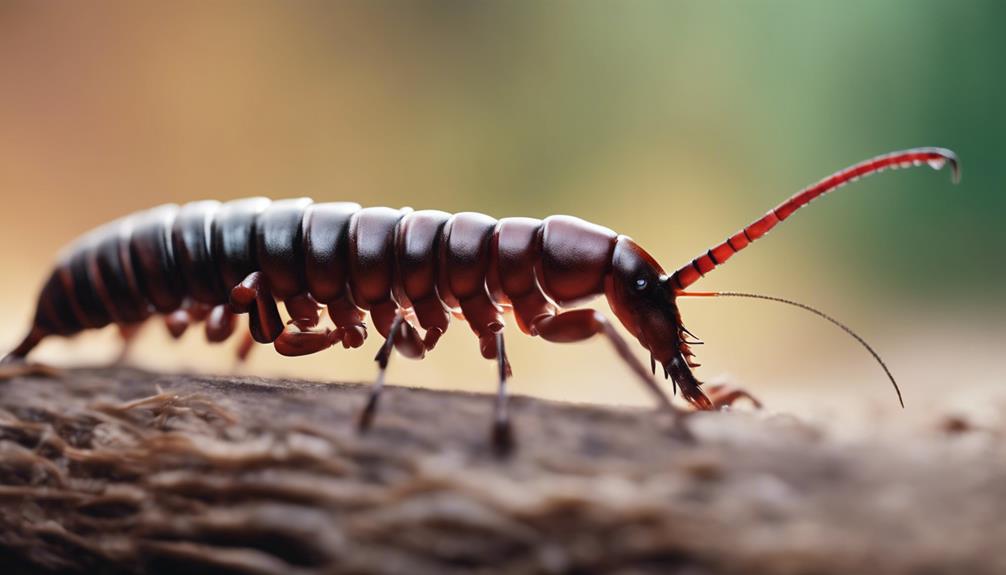
Let’s explore why earwigs look how they do, starting with their distinctive anatomy. You’ve probably noticed those important pincers at the end of an earwig’s abdomen. Officially called forceps, these pincers are vital for their survival. They use them defensively against predators during mating rituals to impress or grapple with partners and to neatly fold their wings under the short, leathery forewings.
These forceps aren’t just for show; they vary considerably in size and shape among different species, hinting at their diverse lifestyles. Despite their fierce look, the pincers are harmless to humans, focusing their function on interactions with other earwigs.
You might wonder if these unique appendages contributed to the earwig’s somewhat alarming name. Indeed, the striking appearance of these forceps, coupled with old wives’ tales, likely fed into the myths surrounding them and influenced their similar names.
Earwig Behavior Explained
Earwigs seek out dark, snug spots like cracks for shelter, ensuring their protection in quiet, hidden places. You’ll often find them nestled in these cozy retreats during the day. They’re not just hiding; they’re actively avoiding predators and conserving their energy for nighttime activities.
When you see an earwig, you might notice their formidable pincers. You don’t have to worry, though. Despite their fierce appearance, earwigs aren’t aggressive towards humans, and their pincers aren’t a threat to you. They mainly use these tools to defend against other critters during their mating rituals.
So, if you see an earwig spreading its hindwings, it’s not a sign of aggression but rather a defensive display, possibly reminiscent of human ears, intended to scare off predators. Understanding these behaviors helps clear up some common misconceptions.
Earwigs are not interested in crawling into human ears; they’d much rather stick to their beloved cracks and crevices. This preference for dark, enclosed spaces is about survival, not a sinister attraction to human anatomy. So next time you spot one, remember they’re more interested in staying out of sight than getting into trouble.
Earwigs in Folklore

You might find it surprising that earwigs have been wrapped up in folklore, often linked to the unsettling myth of crawling into human ears. This legend has permeated cultures, leading to a mix of fear and fascination with these small insects, also known as ‘ear pinchers.’
Despite modern understanding dispelling these myths as groundless, the eerie tales persist. Here’s how earwigs have been portrayed in folklore across different cultures:
- European Names: In many European languages, the common names for earwigs directly relate to the human ear, reflecting the age-old belief that these insects burrow into ears.
- French and German Lore: Known as ‘ear pinchers,’ earwigs are featured in folklore primarily for their supposed affinity for human ears, a notion that adds a shudder-worthy twist to stories told around the fire.
- Ancient Medical Beliefs: Historically, there are references to the myth in ancient medical texts, suggesting earwigs were thought to treat various ear ailments.
- Modern Debunking: Today, it’s widely accepted that the idea of earwigs entering human ears is just a myth, yet the nickname and eerie stories remain remnants of cultural superstitions.
The Ecological Role of Earwigs
Despite their eerie reputation, earwigs are essential for maintaining the health of our ecosystems by breaking down decaying plant material. You mightn’t see them often, but these little creatures are hard at work beneath the surface. They thrive on rotting vegetation, becoming crucial soil that benefits plants and crops.
This process is essential for the decomposition cycle, helping to keep our environment clean and fertile. Moreover, earwigs help maintain ecological balance. They consume organic debris, which prevents the accumulation of unwanted waste in your garden or local park.
By doing so, they contribute to nutrient recycling, ensuring that essential minerals are returned to the soil and promoting healthier plant growth. This isn’t just good for the plants; it benefits the whole ecosystem, including the animals that depend on those plants for shelter and food.
They’re also misunderstood protectors of your garden. While some might worry about earwigs damaging plants, they don’t pose a threat when they’re present in moderate numbers. Instead, they’re likely keeping other small pests in check, preserving your garden’s health. So next time you spot an earwig, remember they’re on your side, ensuring your environment remains thriving and balanced.
Conclusion
You’ve uncovered the peculiar tale behind the earwig’s name, debunked myths, and explored their unique anatomy and behaviors. The old tales linking them to human ears are myths, yet they persist in our language and folklore. Understanding earwigs better shows their important ecological role, challenging long-held fears.
Remember, earwigs are more than just folklore; they’re fascinating creatures playing their part in nature’s complex tapestry. Let’s appreciate their true story and ecological contributions.
Explore More Articles:
All About the Mexican Cockroach: What You Need to Know
What Eats Aphids: The Ultimate Guide to Natural Pest Control
