
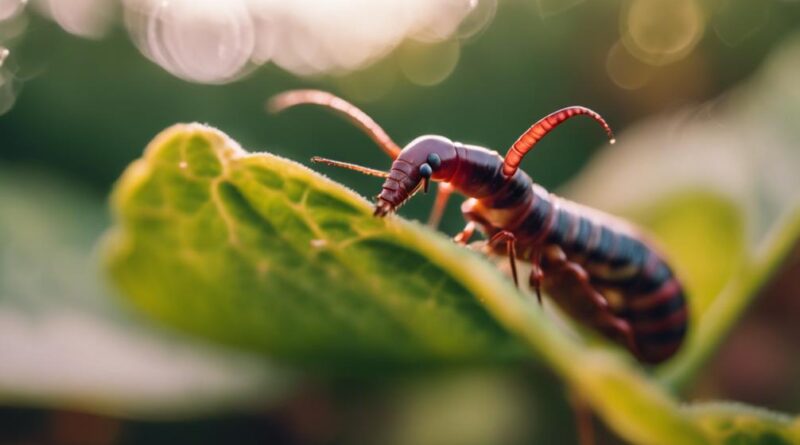
What Do Earwigs Do: Insights and Actions
You’ve probably seen earwigs scurrying away when you lift a garden pot, their pincers ready to defend or attack. But beyond their eerie appearance and misunderstood reputation, these insects play a pivotal role in our ecosystems.
They’re not just about those intimidating pincers; earwigs contribute greatly by breaking down decaying matter and controlling smaller pest populations. Yet, how they balance between being a beneficial ally and a bothersome pest is a fine line.
As you consider their presence around your home, you might wonder how you can manage their numbers effectively without disrupting the environmental benefits they offer. What strategies could be most effective, and what unexpected roles might earwigs have in our environment?
Key Takeaways
- Earwigs hunt prey and protect their eggs using their pincers.
- They consume decaying plant matter, aiding in ecosystem nutrient recycling.
- Female earwigs lay eggs in soil, enhancing soil health.
- They help in pest control by consuming other small insects.
- Managing earwig populations involves sealing entry points and maintaining dry, clear environments.
Earwig Behavior Explained
Despite their unsettling appearance, earwigs primarily use their formidable pincers for hunting tiny prey rather than the myth of crawling into human ears. You might find the sight of these pincers quite intimidating, but they’re essential tools for survival in the wild, not instruments of horror as folklore might suggest.
As you delve deeper into the world of earwigs, you’ll discover that these pincers aren’t just for defense or predation. Female earwigs, particularly, show a fascinating aspect of behavior with their pincers. These mothers use their pincers to protect their eggs diligently.
Unlike their male counterparts, who often use their pincers in aggressive displays and battles over territory and mates, female earwigs prioritize the safety of their future offspring. This protective behavior highlights a critical role of the pincers beyond mere aggression. It’s about survival and ensuring their lineage continues.
The maternal instinct of the female earwigs extends to using their pincers to fend off any potential threats, including other intrusive female earwigs. This action underscores the versatility and essential nature of pincers in the life of earwigs, serving purposes that support both offensive and defensive strategies within their environment.
The Role of Pincers
Earwigs’ pincers, or ‘cerci,’ play essential roles in their survival, from hunting small prey to complex social interactions. You’ll find that these tools aren’t just for show; they’re pivotal in the everyday life of an earwig. Male earwigs sport curved pincers, which they use aggressively to wrestle rivals during encounters.
It’s fascinating to note that these battles aren’t just for show. They’re a critical part of their behavior, helping them establish dominance and secure access to valuable resources. Female earwigs, on the other hand, have straight pincers. They use these primarily for defense, particularly in protecting their eggs from potential threats, including other females.
It’s a maternal instinct that prioritizes the future generation’s survival over engaging in unnecessary conflicts. Research reveals a curious aspect of these pincers: asymmetry. Earwigs with more asymmetric pincers tend to win more battles. This isn’t just a slight advantage but a significant boost to their survival and successful reproduction chances.
Earwigs in the Ecosystem
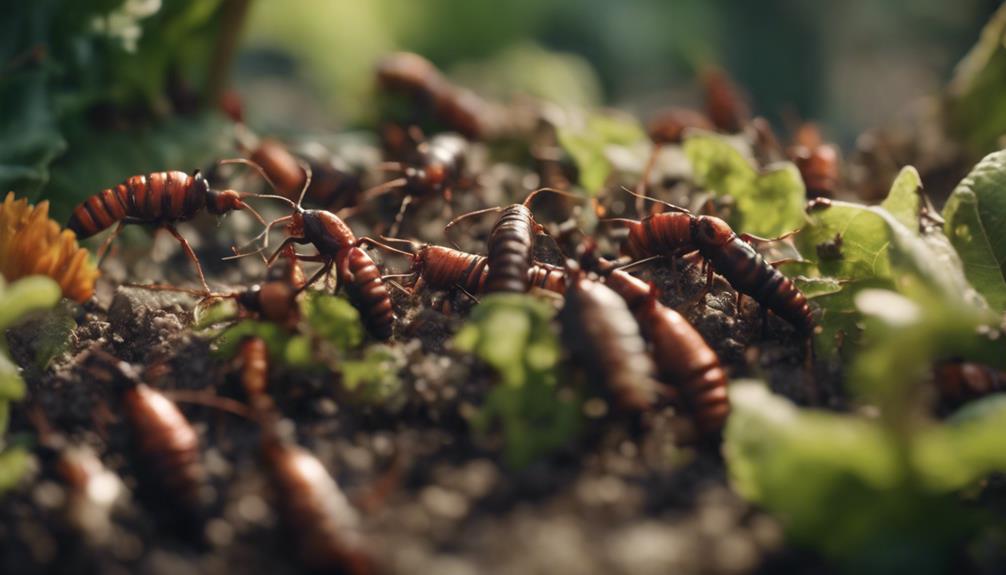
In the ecosystem, earwigs play a crucial role by consuming decaying plant matter and controlling pest populations. As you explore your garden, you’ll find that these creatures are not just random visitors but essential players in maintaining the health of your garden plants. They help break down organic matter, enrich the soil, and make nutrients available to your plants.
Moreover, earwigs are natural allies in pest control. They prey on various insects that could be harmful to your plants, reducing the need for chemical pesticides. However, it’s a delicate balance, as their presence in large numbers can also lead to damage if they start feeding on healthy plant parts.
Earwigs also lay eggs in the soil, contributing to their role in the ecosystem by ensuring a next generation that will continue to aid in decomposition and pest management. Understanding this cycle can help you appreciate their role and manage their presence effectively. Here’s a quick overview of earwigs’ contributions and challenges:
Managing Earwig Populations
To effectively manage earwig populations in your garden, start by sealing any cracks and crevices that could serve as entry points. Earwigs prefer dark, moist environments, so eliminating these conditions is essential. Also, make sure to clear away debris like leaves and mulch where earwigs can hide and breed.
Don’t overlook the importance of trimming trees and shrubs; this reduces the shady, damp areas that these pests are drawn to. You should also guarantee proper water drainage around your property. Standing water and excessive moisture can attract earwigs, making your space more hospitable.
If you notice them using their pincers to climb into unusual spaces, it’s a sign of an escalating problem. When DIY methods don’t curb the earwig population in severe cases, it’s wise to contact a licensed pest control professional.
They can provide specialized treatments and advice to effectively manage and reduce the number of earwigs in your environment. Remember, while earwigs are generally harmless, their presence can be unsettling, and managing their numbers can provide peace of mind and protect your garden.
Research on Earwig Asymmetry

Recent studies reveal that earwigs with asymmetric pincers are likelier to win battles. You might notice the prominent pincers at their tail end when you observe earwigs. These aren’t just for show; they play a vital role in their survival and reproductive strategies.
Research conducted at San Francisco State University found that these asymmetric pincers, though unusual in most animals, don’t deter female earwigs. Typically, in the animal kingdom, symmetry signifies health and attractiveness. However, female earwigs seem indifferent to the asymmetry in male pincers.
Interestingly, this asymmetry isn’t about attracting mates but rather about combat efficiency. Earwigs use their pincers during conflicts to establish dominance and secure territory. The more uneven these pincers are, the better they perform in these skirmishes.
However, you might wonder about the females. Their pincers, primarily used for defending their eggs, don’t follow this rule of asymmetry. They focus on protection rather than aggression, ensuring their offspring’s safety from other females. This adaptation highlights how vital pincers are for the survival of the next generation of earwigs.
Conclusion
You’ve learned that earwigs are more than just garden pests; they’re essential for the ecosystem, breaking down decaying matter and controlling other pests. Their pincers aren’t just for defense; they’re important for hunting and reproduction.
You’ll want to seal up cracks, reduce moisture, and keep your garden tidy to manage their populations. Understanding and respecting earwig behavior helps maintain ecological balance, so consider these strategies before opting for harsher control methods.
Explore More Articles:
What Is the Pest Advice for Controlling Pigeons
Rat Bite Fever Signs Symptoms Treatment and Preventive Measures
Myriapods Their Characteristics Anatomy Habitat Diet and Reproduction
