

What Do Earwigs Eat? Insights and Actions to Protect Your Garden
You’ve probably noticed earwigs in your garden or home and might wonder what they eat. These little critters are not picky eaters; they’ll munch on everything from aphids and decaying plant material to your favorite garden vegetables.
While they can be beneficial by eating harmful pests, their taste for tender plant shoots and soft fruits can make them a nuisance. It’s important to understand their eating habits if you’re looking to keep your garden healthy and flourishing. So, how can you manage these versatile eaters without resorting to harsh chemicals? The answer might surprise you.
Key Takeaways
- Earwigs are omnivorous, eating plants and insects, including aphids and decaying organic matter.
- They often invade homes to feed on sweet foods, stored goods, and vegetables.
- In gardens, earwigs target leafy greens, soft fruits, and ornamental plants, potentially causing damage.
- Utilize traps like upturned flower pots with hay to effectively manage and monitor earwig populations.
- Encourage earwigs in gardens as natural predators to help control aphid populations and reduce pesticide use.
Earwig Dietary Preferences

Earwigs are versatile eaters, feeding on insects, plants, and household foods. You’ll find these nuisance pests munching away at your garden or pantry. With over 2,000 species globally, earwigs adapt their diet based on availability. They’re not picky—they’ll eat everything from aphids and eggs of other insects to cookies and bread.
Despite their creepy appearance, earwigs utilize their formidable pincers primarily as a defense mechanism. These pincers also assist in their feeding habits, helping them grasp and devour their food. They might be viewed as pests in your home, especially when they target stored goods or fresh produce.
They can damage softer fruits and vegetables, impacting your garden’s yield and the aesthetic of flowering plants. While earwigs are often seen as nuisance pests, their diet makes them opportunistic feeders that can adapt to various environments.
Whether they’re preying on harmful insects or contributing to the wear of household items, earwigs’ flexible eating habits reflect their survival skills. Keep an eye on these little critters, especially if you start noticing damage or loss of household and garden items.
Beneficial Role in Gardens
Attracting earwigs in your garden can be an important strategy for controlling pesky aphids and mites. These small but mighty insects are excellent for natural pest management, greatly reducing the need for pesticides. By preying on aphids, they keep these harmful pests in check, promoting a healthier, more balanced ecosystem.
To make your garden a welcoming place for earwigs, you can provide shelters like upturned flower pots or small, damp wood piles. These hideaways attract earwigs and encourage them to stay and continue their beneficial activities. Be mindful, though, that earwigs do eat flower petals, which might seem counterproductive.
However, their pest control benefits generally outweigh this minor drawback. Monitoring earwig numbers is essential to maintaining this balance. Too many can lead to damage, while too few mightn’t effectively control aphid populations.
Regular checks will help you ensure that their numbers are just right, fostering an environment where plants can thrive without the overuse of chemical interventions. Embrace earwigs as part of your garden allies, and you’ll notice a natural, more sustainable approach to managing garden health.
Common Plant Targets
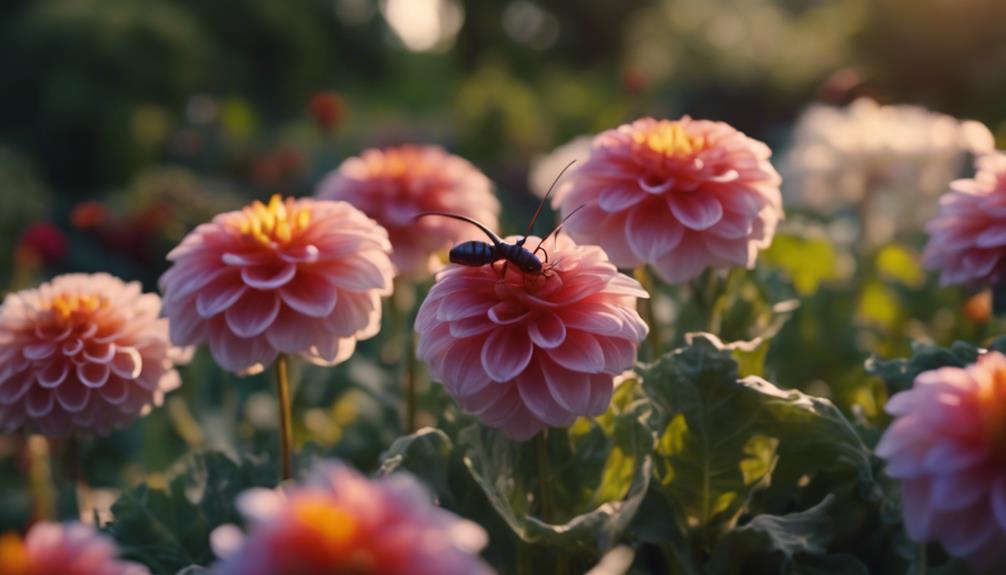
While earwigs are important natural pest controllers in your garden, they also have specific plants they prefer to feast on. You’ll often find them munching on leafy greens like lettuce and radishes alongside other garden plants like potatoes and sweet potatoes. These insects don’t shy away from new plant growth, making young, tender shoots particularly vulnerable.
Beyond the vegetable patch, earwigs threaten peanut crops by targeting peanut pods. Their appetite extends to ornamental plants and soft fruits, affecting your garden’s aesthetic and yield. When these critters go indoors, they can become a nuisance by feeding on stored goods like cookies, flour, and bread.
Understanding what earwigs are drawn to is important. This knowledge not only helps you appreciate their role in managing other pests but also protects your plants from becoming their next meal. By monitoring these common targets, you can better safeguard your garden and maintain healthy and vibrant plant material.
Managing Earwig Populations
To effectively manage earwig populations, you should start by frequently monitoring plants most susceptible to their damage. This practice falls under essential pest management strategies, enabling you to spot potential infestations early on. By setting up traps, such as upturned flower pots filled with hay, you can monitor and control their numbers effectively without harming the natural balance of your garden.
Tolerating a certain level of earwigs in your garden is beneficial. They play a significant role in aphid control, which can prevent these pests from damaging your plants further. As such, a strategic approach involves not just countering earwigs but understanding their role in the ecosystem and using that to your advantage. Here’s a quick guide to managing earwigs:
| Method | Description |
|---|---|
| Monitoring | Regularly check susceptible plants |
| Shelters | Use flower pots with hay for trapping |
| Trapping | Set up traps to capture earwigs |
| Tolerating | Allow beneficial earwigs to remain |
| Aphid Control | Utilize earwigs to manage aphid levels |
Avoiding Harmful Pesticides

You should avoid using harmful pesticides in your garden to protect beneficial insects like earwigs and maintain a balanced ecosystem. These chemicals harm the insects that help control pests naturally and disrupt the entire garden ecosystem. When you use harsh pesticides, you’re tipping the scales, possibly leading to even more pest problems as you knock out the natural balance.
Instead, consider adopting integrated pest management (IPM) practices. IPM is about reducing pesticide use and focusing on more natural pest control methods. It involves monitoring your garden closely, identifying pests accurately, and choosing actions that are least disruptive to the environment. By following IPM, you’re not just avoiding pesticides but actively contributing to a healthier garden and protecting the surrounding wildlife and pets.
Conclusion
You’ve seen how earwigs can munch on everything from aphids to your favorite garden greens. While they can be a nuisance, they also benefit by controlling other pests. Focus on monitoring their numbers and using traps to manage infestations effectively.
Remember, opting for less harmful methods over pesticides keeps your plants safe and supports a healthier ecosystem in your garden. Keep your garden balanced and thriving by understanding and managing earwigs wisely.
Explore More Articles:
How to Get Rid of Earwigs in the Garden Quickly in Your Garden
Habitat of Elephant Mosquitoes: Key Facts and Locations
Why Use Natural Methods to Repel Earwigs? Safe and Sustainable
