
How to Check for Bedbugs in a Hotel: Essential Tips for Prevention
Take a stand when checking into your hotel room; your key defense against bedbugs begins here. Utilize tools such as a flashlight, taking careful attention to peek into corners like mattress seams or behind picture frames where these critters love to hide. You’d be surprised by how much a simple credit card swiped over these spots unveils, from shed skins to tiny excrements! Upon entry, keeping your luggage off the upholstered furniture and carpet can make a difference, even as you settle in. Start inspecting now.
When entering a hotel room, carefully inspect the corners of the mattress, small crevices, furniture, and sheets for signs of bedbugs, such as droppings or squish marks. Use a flashlight to thoroughly examine the mattress, box spring, and other potential hiding spots. To prevent bedbug infestations, leaving luggage in the bathroom and using garbage bags for dirty clothes is advisable. Always thoroughly inspect, as even seemingly unoccupied rooms can have bedbugs.
How to Inspect for Bedbugs in a Hotel
Imagine heading off on vacation, ready to relax and unwind in a cozy hotel room, only to find out later that uninvited bedbugs have hitched a ride back home with you! It’s an unpleasant situation we all want to avoid. Properly checking for bedbugs when arriving at your hotel can help prevent this unwelcome scenario from becoming a reality.
Using a Flashlight for Inspection
Upon entering your hotel room, grab your trusty flashlight and prepare for a meticulous inspection. Start by examining the most common hiding spots where bedbugs tend to lurk. Check the mattress seams, headboards, and behind picture frames, as these are prime locations for bedbug habitation.
It’s important to note that bedbugs are small and hard to spot with the naked eye. A good flashlight can help illuminate those elusive creatures so you can identify any signs of infestation.
Checking Mattress Seams and Other Hiding Spots
Using a credit card or another thin, sturdy object, such as an old library card, swipe along the seams of the mattress. This action helps detect any bedbug excrement or shed skins that may be present. These remnants are telltale signs of bedbug activity and should raise immediate red flags.
Inspecting behind picture frames and along the baseboards is also crucial, as bedbugs can easily seek refuge in these areas. Thoroughness is key; even seemingly inconspicuous spots could harbor unwanted guests.
Cautiously Placing Luggage and Personal Items
Place your luggage and personal items down cautiously while unpacking and settling in. Upholstered furniture and carpeted areas pose a higher risk of bedbug transfer, so using luggage racks or keeping your luggage in the bathroom during the inspection process is advisable. This simple action can mitigate the chances of inadvertently bringing bedbugs into contact with your belongings.
By diligently following these inspection steps, you’ll safeguard yourself from potential bedbug encounters and enjoy peace of mind throughout your stay.
In maintaining vigilance through these essential prevention steps, we set our sights on further exploring the areas where bedbug presence should be diligently identified.
Key Areas to Check for Bedbug Presence
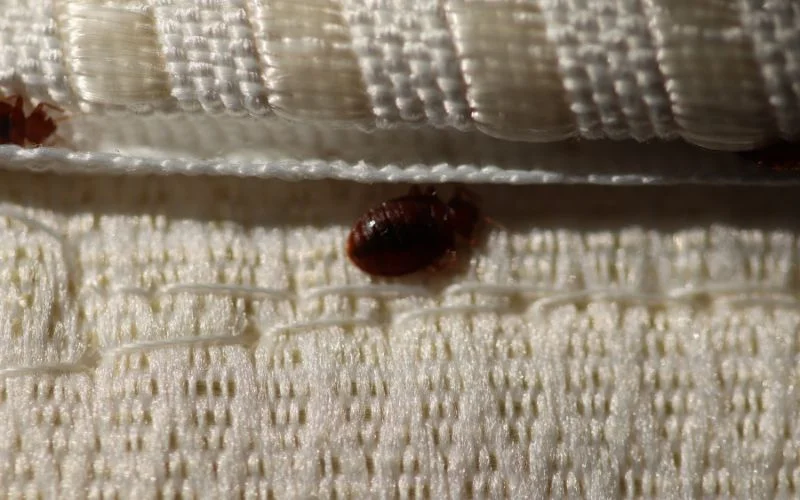
When staying at a hotel, being vigilant is crucial to prevent bringing any unwanted guests back home with you. One of the first places to inspect is the mattress and box spring. These areas are prime real estate for bedbugs due to their proximity to humans during rest. Check the seams, tufts, and undersides for any live bedbugs, eggs, or dark spots, typically indicative of bedbug activity. Remember that bedbugs can range from a tiny pinhead to 5mm long. Therefore, diligent examination is essential to catch these elusive pests.
As you move through the hotel room, paying close attention to upholstered furniture such as chairs, couches, and fabric-covered items is important. Bedbugs are clever hitchhikers and will hide in any crevice they can find. Hence, it’s crucial to thoroughly examine the seams, crevices, and even underneath cushions for any signs of bedbug activity. Remember, if you spot telltale signs of bedbugs, it’s best to request a new room immediately.
In addition to inspecting the immediate living quarters, taking precautions with your luggage and personal items is equally important. Before your stay, carefully check your luggage and bags for early signs of bedbug presence. Afterward, it’s important to repeat this examination before bringing them back into your home. Bedbugs often inadvertently enter travelers’ belongings and can easily infest your living space if not detected early.
Imagine your stay is ending; it’s time to pack up and head home. As you conduct a final inspection before leaving the hotel room, ensure no unexpected stowaways are hiding in your belongings. It may sound meticulous, but a diligent check now can potentially save you from a difficult situation later.
These key areas encompass the most common locations where bedbugs may reside—making it essential to meticulously inspect each region as part of your preventative measures against bringing bedbugs home with you after your stay.
With these essential tips for preventing bedbugs during your hotel stay, let’s focus on packing strategies to strengthen your defense against these persistent pests.
Essential Packing Strategies for Preventing Bedbugs
It’s no secret that bedbugs are adept at hitchhiking and sneaking into luggage unnoticed. However, a few simple packing strategies can greatly reduce the risk of encountering bedbugs during your hotel stay and prevent them from finding their way into your home.
- Hard-Sided Luggage: Opting for hard-sided luggage is a smart move when it comes to thwarting these unwanted travelers. Unlike soft fabric luggage, hard-sided cases provide fewer hiding spots for bedbugs. Additionally, they are much more robust and easier to clean, reducing the chances of bringing these pests on your journey.
An analysis by the National Pest Management Association found that bedbugs are most frequently found in bedrooms (98%) but also in other locations such as hotels (75%), apartments/condominiums (49%), and single-family homes (47%).
- Plastic Bags for Clothing: Using large plastic trash bags to store clothing and other fabric items is wise when staying at a hotel. This creates a protective barrier, minimizing the risk of bedbug infestation in your belongings. Doing this puts an obstacle between your items and any potential bedbug sources in the hotel room.
- According to a study published by the American Journal of Infection Control, it was estimated that 96% of pest control professionals reported treating bedbugs in the past year.
Imagine this: You’re staying in a hotel with minimal storage options, leaving your clothes vulnerable to lurking bedbugs in drawers or wardrobes. Sturdy plastic bags can be a proactive measure against these unwelcome invaders.
Where you store your suitcases during your hotel stay can make all the difference. Stowing them on a luggage rack or any hard surface prevents bedbug exposure. Alternatively, placing them inside large plastic trash bags is an added layer of protection against potential bedbug encounters.
By incorporating these fundamental packing strategies into your travel routine, you’re taking proactive steps to safeguard yourself from the intrusion of these pesky critters.
Armed with these essential packing tips, you’re better equipped to fortify your defenses against the covert threat of bedbugs while on the road.
Identifying Signs of Bedbug Infestation
It’s not always easy to identify bedbug infestations, as they can be sneaky little creatures. However, staying alert and watchful can significantly reduce the likelihood of unwanted encounters. Understanding the telltale signs of these pests empowers you to take preventative measures or swiftly address any problems.
Live Bedbugs
Spotting live bedbugs, nymphs (young bedbugs), or eggs may suggest an active infestation. They like to hang out in dark areas close to where humans sleep or rest. Check mattress seams, furniture joints, and any other common hiding spots.
Remember, adult bedbugs are about the size of an apple seed and visible to the naked eye. Nymphs are much smaller, and eggs are even tinier. So, when inspecting bedding and other areas, look for these different life stages. It’s often easier to spot these critters on lighter-colored surfaces.
Fecal Stains
Detecting dark or rust-colored stains around your bedding, furniture, or walls could indicate bedbug excrement—an unwelcome discovery that is one indicator of their presence. Alongside visual checks, also monitor for signs of blood on your sheets, as this gives evidence that bedbugs have been feasting upon their human hosts during the night.
Musty Odor
Be mindful of any unusual musty odors in places where you suspect a bedbug infestation. Pheromones released by the bugs cause this distinct smell and can signal a severe infestation nearby. While visually inspecting your surroundings is crucial, paying attention to odors isn’t something to overlook. The musty scent isn’t just a nuisance; it’s a warning sign that should prompt further investigation immediately.
Overall, this knowledge empowers you to promptly act on any potential issues you spot while traveling and helps maintain peace of mind as you enjoy your stay.
Armed with these vital tips for spotting bedbugs in hotels, let’s now shift our attention to understanding how to recognize and treat the bites caused by these stealthy pests.
Is There a Connection Between Bedbug Behavior and Infestation Prevention with Checking for Bedbugs in Hotels?
When it comes to preventing bedbug infestations, understanding bedbugs behavior and prevention is crucial. Checking for bedbugs in hotels can help identify and address potential infestations before they become a problem. By being proactive and knowing what to look for, you can greatly reduce the risk of bringing bedbugs home with you.
Recognizing and Treating Bedbug Bites
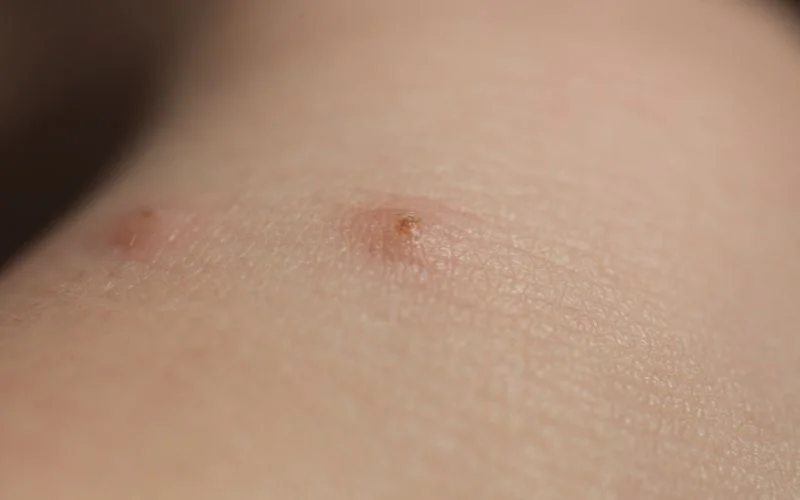
Recognizing bedbug bites can be challenging because they don’t always appear immediately. Sometimes, it takes a few days before any signs become noticeable. The bites typically appear as red welts on your skin, often in clusters or a linear pattern. Your exposed skin is most vulnerable, so pay close attention to areas like your arms, legs, and neck.
Bedbug bites can cause itching, swelling, and sometimes even a rash if you’re allergic to the bite. Resisting the urge to scratch the affected area is crucial, as scratching could lead to an infection. If you suspect you’ve been bitten, here are some steps you can take for relief:
- Apply a cold compress to the affected area to alleviate itching and reduce inflammation.
- Over-the-counter antihistamine creams or lotions can provide relief from itching.
- Calamine lotion can soothe the skin and reduce irritation caused by bedbug bites.
These treatments can help mitigate the discomfort associated with bedbug bites until they heal completely.
In some cases, bedbug bites may lead to severe itching and discomfort. Oral antihistamines and hydrocortisone cream can effectively reduce inflammation and itching associated with bedbug bites, especially if the reactions are more severe. However, it’s important to consult a healthcare professional for appropriate treatment if you experience any adverse symptoms or allergic reactions.
Seeking Professional Advice
Consulting with a healthcare professional is critical if symptoms persist or worsen after self-treatment. They can provide proper medical advice and treatment options tailored to your condition. If you suspect a severe allergic reaction has occurred, seek medical attention immediately for prompt and effective treatment.
Early detection and intervention are key to preventing potential complications from bedbug bites. So, stay vigilant and proactive about recognizing and treating these irritating bites.
It’s reassuring to know that there are effective methods for treating bedbug bites and measures to alleviate discomfort when faced with these pesky critters. With the right information and precautions, you can manage symptoms and seek timely professional advice when necessary.
As we navigate the realm of prevention and treatment for bedbug encounters, arming ourselves with knowledge becomes our strongest ally. Now, let’s explore practical strategies for minimizing the risk of encountering these nuisances during your stay while maximizing your peace of mind.
Advice for a Peaceful Stay: Keep Bedbugs at Bay
The last thing you want to bring back when traveling is uninvited bedbugs. These pesky critters can be a real headache, so ensuring a peaceful, bedbug-free stay during your hotel visit is important.
First, keeping your luggage off the floor or bed when you’re in your hotel room is a good idea. Instead, use a luggage rack or keep your bags in the bathroom while you inspect the bedding and furniture for any signs of bedbugs. Minimizing contact between your belongings and potentially infested areas reduces the risk of bringing unwanted stowaways back home with you.
Always thoroughly inspect the mattress and box spring seams, looking for signs of bedbugs, such as live bugs, eggs, exoskeletons, or dark spots. If possible, lift the mattress and check underneath. Also, remember to inspect upholstered furniture, as bedbugs can hide in various nooks and crannies.
If, despite all your precautions, you find signs of bedbugs in your hotel room, don’t hesitate to request a new room far away from the infested area. It’s better to be safe than sorry when avoiding these unwanted hitchhikers.
And once your trip ends, and it’s time to return home, don’t be hasty to unpack your travel clothes. Take the precaution of tumbling them in a hot dryer for up to 30 minutes. This will help eliminate any potential bedbugs that may have tagged along on your journey.
FAQs
1. Are there specific areas or spots in a hotel room where bedbugs are commonly found?
Bedbugs are commonly found in specific areas in a hotel room. According to studies, the most common spots for bedbug infestation include the mattress seams and headboard and cracks and crevices near the bed frame. Other potential hiding places are upholstered furniture, curtains, and electrical outlets. It’s important to thoroughly inspect these areas using a flashlight and look for telltale signs such as blood stains, dark spots, or live bugs.
2. What tools or equipment do I need to check for hotel bedbugs effectively?
You don’t need any special tools or equipment to check for bedbugs in a hotel effectively. You only need a flashlight to inspect the mattress, bedding, furniture, and crevices for any signs of bedbugs. Look for dark stains on the bed or sheets, tiny red spots (bedbug droppings), or live bugs. According to a survey by the National Pest Management Association, 75% of pest control professionals reported treating bedbug infestations in hotels, so it’s crucial to be vigilant while inspecting.
3. How should I thoroughly inspect a hotel room for bedbugs?
When thoroughly inspecting bedbugs in a hotel room, examine the mattress and box spring for any signs of bedbug activity, such as live bugs, blood stains, or dark spots. Check the bedding, pillows, and cushions for any signs as well. Inspect the furniture, especially around seams and crevices, as bedbugs may hide there. Don’t forget to inspect behind picture frames, electrical outlets, and baseboards. According to statistics from pest control professionals, 75% of infestations are found in the bed area, so focus your inspection there the most.
4. What are the signs or symptoms of a bedbug infestation in a hotel room?
Some signs of a bedbug infestation in a hotel room include:
- Small red or brown spots on bedding or mattresses are fecal stains left by bedbugs.
- Itchy welts or bites on your body after sleeping in the hotel room.
- There is an unpleasant, musty odor in the room.
- Visible live bedbugs or their shed exoskeletons around the seams of mattresses or in crevices of furniture.
