
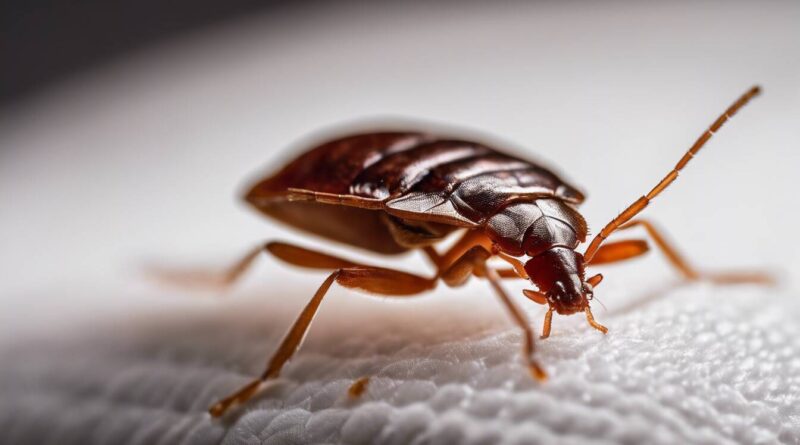
Bedbugs and Jumping: Behavior and Infestation Prevention
No, bedbugs can’t jump. They lack the powerful hind legs or wings that allow jumping or flying. Interestingly, these tiny pests move by crawling and are often carried unwittingly from place to place in luggage, clothes, or furniture. If you thought witnessing one jumping was troubling, imagine them concealed within the crevices of your belongings. With this knowledge, your focus shifts from worrying about jumping bugs to vigilant inspection of your items.
No, bedbugs do not have the physical capability to jump. They rely on crawling to move around and are known to move quickly, but they cannot jump or fly.
Bedbug Mobility: Debunking Jumping and Flying Myths
When it comes to bedbugs, there are several misconceptions about their mobility. Contrary to popular belief, these tiny pests cannot jump or fly. They lack wings or powerful hind legs, characteristics found in creatures known for flying or jumping.
As small as they are, bedbugs rely solely on crawling to get around. Their speed is limited to moving from one place to another by wriggling and crawling at approximately 3 to 4 feet per minute. They are not capable of leaping or soaring from one surface to another.
How Bedbugs Get Around
It’s important to understand that although bedbugs might seem limited in their movement, they can be surprisingly adept at finding new places to infest. They’re notorious hitchhikers, often making their way into homes through luggage, clothing, or second-hand furniture.
For instance, if an infested piece of furniture is discarded outside, other unsuspecting individuals may pick it up and unknowingly invite the bedbugs inside their homes. These insects can also travel between rooms in multi-unit buildings such as apartments and hotels.
Understanding the limitations of bedbug mobility helps dispel misconceptions and reinforces the need for diligence in preventing their spread within our living spaces.
Having laid the foundation with a better understanding of bedbug behavior and mobility, let’s focus on detecting key indicators of a potential infestation.
Bedbug Infestation: Detection and Key Indicators

Detecting bedbugs early is crucial in preventing an infestation from taking root. These pests are elusive and often only active at night, making them difficult to spot. However, early detection is vital for effective control and eradication. Here are some key signs to be aware of:
Visual Confirmation
One of the most obvious signs of a bedbug infestation is spotting the critters directly. Bedbugs are generally reddish-brown, about the size of an apple seed, and move relatively slowly. Look for them in hiding spots such as mattress seams, box springs, bed frames, cracks, crevices of walls, and furniture. Also, watch for their shed skins or dark fecal spots in these areas, as these signs indicate an active infestation needing immediate attention.
Unexplained Bites
Waking up with unexplained bites or rashes can strongly indicate a potential bedbug problem and should prompt a thorough inspection. These bites often appear on exposed skin areas such as the face, neck, arms, and hands. While these bites may not be painful at first, they can develop into itchy welts over time – often in a zigzag pattern – characteristic of bedbug bites.
Musty Odor
If you notice a sweet, musty odor in a room infested with bedbugs, this could be another indicator of their presence. Bedbugs release pheromones that result in a distinct scent described as musty or sweet. This scent becomes more pronounced in severe infestations and can help locate the source of the problem.
Understanding these key indicators is essential for early detection, allowing for effective intervention before a minor issue escalates into a major infestation. Responding to and promptly addressing these signs can prevent significant discomfort, property damage, and emotional distress associated with a widespread bedbug problem.
Remember that while prevention is always better than cure, prompt action upon noticing any of these signs is necessary to mitigate the impact of a potential bedbug infestation on your home and well-being.
After understanding behavior and prevention tactics, let’s explore the habitats where bedbugs thrive and pose the greatest risk.
High-Risk Areas: Where Bedbugs Thrive
Bedbugs are resourceful creatures. They don’t limit themselves to our beds; they can make a home in various surprising locations. Hotels and public transportation are well-known hotspots for bedbugs due to the constant influx of people from different places. Surprisingly, they’ve also been spotted at movie theaters.
These pests gravitate toward areas with high human traffic, and unknowingly, we become carriers when we visit these places, potentially transporting them to new locations without realizing it. The upholstered seats in movie theaters make an ideal hiding place for these pests, allowing them to hitch a ride and travel to your home.
Apart from hotels and movie theaters, these pests can lurk in more unsuspected spots. Upholstered furniture is a popular hiding place for bedbugs, making it essential to inspect second-hand furniture purchases carefully before bringing them indoors. Additionally, they are masters at wedging themselves into the nooks of electrical outlets and picture frames, providing a haven for breeding and multiplying without disturbance.
“Bedbugs gravitate towards places with high human traffic, where they can easily hitch a ride to new locations.”
The adaptability of these pests means that taking preventive measures and being mindful of potential infestation spots is crucial. By understanding the range of areas where they hide, we can take steps to minimize our risk of bringing bedbugs into our homes.
Understanding their behavior and infestation patterns is just the beginning. In the next section, we will explore effective methods for eliminating these persistent pests.
Pest Control: Effective Methods for Bedbug Elimination
Dealing with a bedbug infestation can indeed be overwhelming. These tiny pests are notorious for their resilience and difficulty exterminating once they’ve found a home in your living space. Engaging licensed pest control professionals specializing in bedbug eradication can often be the most effective and efficient way to eliminate these stubborn insects.
These professionals have the knowledge, tools, and expertise to tackle bedbug infestations. They employ a combination of methods such as:
- Heat treatments
- Fumigation
- Targeted insecticide application
Heat treatments involve raising the temperature of the infested area to levels that are lethal to bedbugs but safe for your home. On the other hand, fumigation uses gaseous pesticides to eradicate bedbugs in all stages of development, including their eggs.
Licensed professionals know where to apply targeted insecticides, ensuring their safe and effective use. This comprehensive approach increases the likelihood of eradicating the infestation. Professional services may come at a cost; however, they are often a worthwhile investment for those dealing with extensive or recurring infestations.
On the other hand, for milder infestations or as a supplementary measure after professional treatment, some DIY options can help manage the problem. Thorough vacuuming of affected areas can significantly reduce the number of bedbugs present. Additionally, hot laundering of infested items can help kill off any bedbugs hiding in fabrics. Using bedbug-proof encasements for mattresses and box springs can also contain an infestation by trapping any remaining bedbugs inside and preventing them from feeding or breeding further.
How Can I Prevent Infestations of Different Insects in My Home?
To prevent an earwig infestation, keep your home clean and dry. Seal any cracks or openings in walls and window frames. Use a dehumidifier to reduce moisture, and remove any standing water around your home. Consider using insecticides as a last resort for earwig infestation prevention measures.
Infestation Prevention: Reducing the Risk of Bedbug Transfer
Regarding bedbugs, prevention is much better than dealing with an infestation. Here are some savvy strategies to minimize the risk of bedbug transfer and keep these pests at bay.
In Travel
It’s no secret that travelers can unknowingly carry bedbugs from one place to another. Always utilize luggage stands in hotel rooms instead of placing bags on the floor or bed to prevent this. Placing your bags on beds or the floor gives these sneaky critters a prime opportunity to hitch a ride home with you. On your return, wash and dry your clothes on high heat, as it eliminates any potential hitchhiking bedbugs that may have latched onto your clothing during your travels.
- This might seem like extra work after returning from a trip, but trust me, a simple wash can save you from letting any bedbugs find their way into your home and infest your living space. It’s a small effort that goes a long way in preventing an infestation.
Second-hand Furniture
Second-hand furniture can be an absolute gold mine for retro finds or pieces with character. However, it’s important to thoroughly inspect and clean second-hand furniture before bringing it into your home. Scavenging curbside finds might seem exciting, but remember that these items can harbor bedbugs without you realizing it. It’s best to steer clear and avoid the risk altogether.
Always remember: An ounce of prevention is worth a pound of cure when it comes to keeping bedbugs out of your home.
Understanding these preventive measures is imperative for maintaining a bedbug-free environment. Now, let’s focus on comprehending bedbugs’ far-reaching impacts on economic well-being and public health.
Economic and Health Impact of Bedbugs in Households
Bedbugs can have significant economic and health implications. The financial strain of dealing with these pests can be burdensome, leading to unexpected costs like professional treatments and replacement of infested furniture. Let’s look at the economic and health-related effects of a bedbug infestation.
Economic Impact
Bedbug infestations often cause financial stress. First, professional treatments can be excessive, especially if the infestation is severe and requires multiple visits from pest control professionals.
The economic impact can be particularly daunting for commercial establishments such as hotels or rental properties. Not only do they have to cover the costs of treatments and furniture replacement, but there’s also the potential loss of income if the infestation leads to negative reviews and affects their reputation. In these instances, businesses may suffer financially and from a damaged reputation that takes time and effort to rebuild.
Health Impact
While bedbugs are not carriers of diseases, their presence can still significantly impact human health. Bedbug bites can cause itching, redness, and discomfort, often leading to sleep disturbances and stress. These effects are not just physical; they can also affect an individual’s mental well-being.
The severity of health impacts can vary from person to person. Individuals with sensitivities to bedbug bites may experience more severe reactions, necessitating medical attention. This means additional medical costs and potential complications arising from allergic reactions.
In essence, a bedbug infestation’s economic and health repercussions can disrupt normalcy in both households and commercial settings. Therefore, it’s essential to promptly address any signs of a potential infestation to mitigate these impacts and ensure the well-being of all affected individuals.
Understanding the multifaceted impact of a bedbug infestation underscores the importance of vigilance and swift action in addressing these pests. Individuals and businesses can safeguard their finances and overall well-being by recognizing and responding to early signs of infestation.
FAQs
1. Are bedbugs capable of jumping long distances?
No, bedbugs are not capable of jumping long distances. Unlike fleas or grasshoppers, bedbugs do not possess the physical ability to jump.
2. How do bedbugs move from one place to another?
Bedbugs are expert hitchhikers and can move from one place to another by attaching themselves to people’s clothing, luggage, or other belongings. They can easily hide in cracks and crevices, making it easier for them to travel unnoticed.
3. What are the most effective ways to prevent home bedbug infestations?
The most effective ways to prevent bedbug infestations in homes include regularly inspecting furniture, luggage, and clothing for signs of infestation, sealing cracks and crevices in walls and floors, using protective covers on mattresses and pillows, and maintaining a clean living environment.
4. Do bedbugs have any means of transportation other than crawling?
Bedbugs primarily rely on crawling to move around, as they are not known to possess wings or any other means of flying. However, they have been observed to have a secondary mode of transportation – hitchhiking. Bedbugs can easily latch onto clothing, luggage, or other belongings and be accidentally transported from one location to another. This is why it is crucial to be cautious when staying in infested areas or using shared spaces, as it significantly increases the risk of bedbug infestation in new locations.
5. Can bedbugs crawl up walls or ceilings?
Bedbugs are adept climbers who can crawl up walls and ceilings. These tiny pests have specialized legs that allow them to scale various surfaces, including vertical and inverted ones. Research shows that bedbugs can climb smooth surfaces like glass, indicating their remarkable climbing abilities.
