
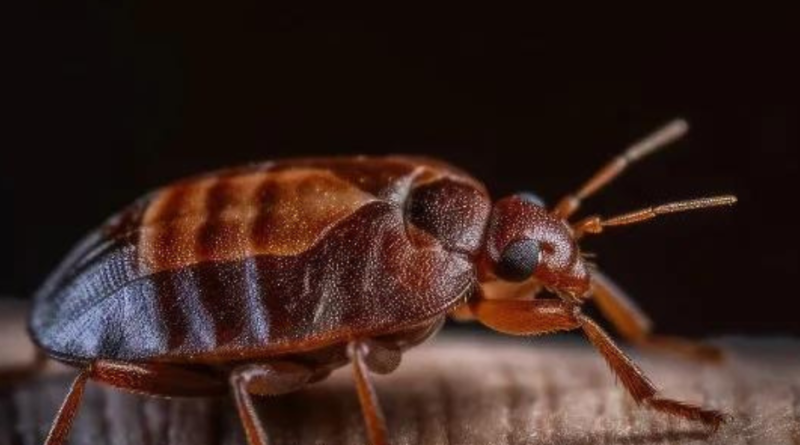
Do Bedbugs Bite Cats? Identify and Treat Bedbug Bites in Felines
Indeed, bedbugs don’t shy away from biting cats. Initially preferring humans, these tiny insects won’t hesitate to switch meals when needed, sometimes sinking their tiny jaws into your feline friend’s skin. Identifying bedbug bites might seem daunting, but identifying small red bumps on your cat’s vulnerable areas, like its belly or limbs, which are less furry, is a useful clue. And yes, these pesky creatures might trigger certain signs in your cat, such as unusual discomfort, excessive scratching, or visible skin irritation. However you slice it, when it comes to dealing with these nocturnal invaders – knowledge is power! So, let’s talk more about identifying these vexing bite marks.
Bed bugs can bite cats, typically in areas with less hair, such as the underbelly or limbs. While uncommon, it’s essential to watch pets for signs of bites and inspect their bedding for any presence of bed bugs during an infestation.
Can Bedbugs Bite Cats?
There’s a misconception that bedbugs only have eyes for humans. However, the reality is a bit more varied—cats are not entirely off-limits for them. Although bedbugs typically prefer humans as their primary source of blood, they can still take a detour and bite our feline friends, too. It’s important to understand that while this occurrence is possible, it’s relatively rare for bedbugs to target cats.
When bedbugs decide to snack on cats, they leave behind small red bumps—similar to those resulting from mosquito bites—primarily located on the cat’s underbelly or limbs with less hair. Identifying these bites is crucial because understanding that bedbugs are biting your cat prompts immediate action and prevents further discomfort for your pet.
While resilient creatures, cats may exhibit discomfort if bitten by bedbugs. These signs may include excessive scratching or skin irritation in the affected areas. Paying close attention to your feline friend becomes imperative in such scenarios; their comfort and well-being are paramount.
Imagine coming home and noticing your beloved cat feeling uneasy or continuously itching. Upon closer inspection, you find tiny red bumps on its belly or limbs. This could be an indication of bedbug bites. It’s concerning, but knowing these signs helps protect your pet from further distress.
Bedbugs, known for their stealthy and elusive nature, can often leave victims unaware of their presence until visible evidence surfaces. In this case, pet owners must stay vigilant and watch out for any unusual signs in their furry companions.
Understanding the possibility of bedbugs biting cats sheds light on the need for timely detection and action when dealing with potential infestations affecting our pets. But how do bedbugs come into contact with cats in the first place? Let’s explore the various scenarios in which this interaction might occur.
Identifying Bedbug Bites on Cats

Bedbug bites on cats may not be as obvious as one might think. While they may appear similar to those of humans, it’s essential to pay attention to specific symptoms and behaviors your furry friend might exhibit. Let’s explore the key signs of bedbug bites on cats.
Physical Symptoms
One of the first things to keep an eye out for is red, itchy bumps on your cat’s skin. These bumps can usually be found in areas with less hair, such as the belly, ears, and paws. The bites may also cause some cats’ skin irritation, inflammation, or allergic reactions.
These bites can vary in appearance, ranging from tiny red raised welts to small, flat red areas. Cats experiencing bedbug bites may exhibit itching, scratching, and skin irritation in these areas.
Behavioral Signs
The physical symptoms and changes in behavior can also indicate bedbug bites. Watch out for any unusual behavior in your cat, such as increased scratching, restlessness, or agitation. These behavioral changes might signal discomfort caused by bedbug bites. Your cat might appear more restless or anxious than usual due to the irritation caused by the bites.
If you notice any of these signs in your cat, especially if you have an active bedbug infestation in your home, it’s crucial to address the issue promptly. These signs aren’t just discomforting for your pet; they could also indicate a larger problem within your home that needs immediate attention. Taking proactive measures could prevent further discomfort for your cat and effectively tackle any bedbug issues within your living environment.
Remember, while looking for signs of bedbug bites on cats is important, consulting a veterinarian is always recommended for a proper diagnosis and treatment plan. So, if you suspect bedbugs have bitten your cat, seek professional guidance and care to ensure their health and well-being.
Understanding the implications of untreated bedbug bites on felines sets the stage for grasping the risks associated with these pesky parasites’ presence in your home.
Risks Associated with Bedbug Bites in Felines
When bedbugs bite a feline, it can be more than just an annoyance. The bites can lead to various health issues, making it crucial to address them promptly. Skin irritation from bedbug bites can result in redness, swelling, and itching, distressing for the cat. In some cases, excessive scratching by the affected cat may lead to secondary infections, further exacerbating the situation.
Additionally, allergic reactions are not uncommon after bedbug bites in cats. Like humans, some cats may have allergic sensitivities that result in more severe skin reactions. These allergic reactions can cause discomfort for the cat and might even lead to further health complications if left untreated.
It’s essential to remember that cats are fastidious groomers. They’ll spend a good portion of their day grooming themselves. If bedbugs have bitten them, they may be licking and biting at the affected area more frequently than usual. This could lead to ingesting harmful chemicals if the pet parent applies any products without first checking with a veterinarian.
Suppose your cat has been exhibiting unusual behavior, such as constant scratching or licking of certain areas of its body. Inspecting those areas for signs of bedbug bites or related skin irritation is important. Monitor your cat closely for any changes in its behavior or health following a potential bedbug infestation.
Since cats often spend a significant amount of time indoors, where bedbugs thrive, it’s crucial to take proactive measures to prevent and address potential infestations. If you suspect that bedbugs have bitten your cat or notice any signs of skin irritation, it’s vital to consult a veterinarian promptly. Seeking professional guidance can help prevent further complications and ensure your feline friend receives appropriate treatment to alleviate any discomfort caused by bedbug bites.
Identifying and addressing potential risks associated with bedbug bites in felines is critical for ensuring the well-being of your beloved pet. Now, let’s move on to effective treatments for cat bedbug bites and preventive measures to safeguard them from future infestations.
Detecting Bedbug Infestation in Your Home
Discovering a bedbug infestation is crucial to preventing further discomfort for your pet and yourself. Visual indicators, such as live bugs, shed exoskeletons, or tiny red spots on bedding, carpets, and furniture, might provide clues of a bedbug’s presence. However, these pests can sometimes be elusive and challenging to spot.
The small red spots mentioned are usually the result of bedbugs being crushed after feeding. Unfortunately, these bloodstains can also be found on your cat’s bedding or areas where your cat frequently rests, indicating that bedbugs may have been feeding your feline friend.
A thorough inspection of common hiding places such as mattress seams, cracks in wooden furniture, and behind loose wallpaper is essential. Look for areas with a sweet, musty scent—a telltale sign of large bedbug populations.
Don’t underestimate the importance of checking rooms besides the one your cat frequents. If bedbugs are present in one area, they can travel long distances over time if left untreated. It’s vital to nip infestations in the bud before they spread throughout the entire house.
Behavioral Changes in Cats
It’s also important to be mindful of your cat’s unusual behavior that could indicate a bedbug infestation. Restlessness, excessive grooming, or frequent scratching might suggest that your pet is experiencing discomfort due to bites from these pests.
For instance, suppose your usually calm and collected cat suddenly becomes irritable or starts avoiding certain areas of the house where they previously showed no aversion. In that case, it’s a good idea to investigate further for any potential signs of bedbug infestation.
Regardless of how clean your home may be or how diligent you are with pet care, bedbugs can find their way into any space, creating an uncomfortable situation for you and your beloved feline. Regular monitoring is essential for catching an infestation early on and minimizing its impact.
As we’ve seen, identifying a potential bedbug infestation in your home is crucial for preserving the well-being of your pets and family. Now, let’s delve into effective methods for treating and safeguarding your cat against these pesky intruders.
Can Bedbug Lookalikes also Bite Cats and How to Treat their Bites?
Yes, identifying bedbug lookalike bugs is crucial as they can also bite cats. To treat their bites, bathe the area with soap and water, apply a cold compress, and consult a vet if needed. Keep bedding and furniture clean to prevent infestation. Watch out for signs of bugs in your home.
Treating and Protecting Your Cat from Bedbugs

If you suspect that bedbugs have bitten your cat, it’s essential to prioritize their health. The effects of bedbug bites on cats can vary, causing skin irritation or allergic reactions. Seeking professional veterinary care is key here—your vet can provide the appropriate treatment to alleviate any discomfort caused by the bites.
Veterinary Care
It’s important not to overlook any signs of bedbug bites on your cat. If you notice unusual skin irritation or allergic reactions, it’s best to consult with a veterinarian. They are equipped to diagnose and treat these issues effectively. Like us, cats can experience different reactions to insect bites, and it’s best to seek professional advice.
Your vet may recommend topical treatments or medication to address skin irritation caused by the bites. Additionally, they can guide you in preventing future infestations and maintaining your cat’s well-being.
Investing in professional veterinary care ensures that your cat receives the best treatment for any discomfort from bedbug bites. This way, you can be confident that your furry friend gets the care they need.
Environmental Cleaning
When dealing with a potential bedbug infestation, it’s important to take proactive measures to protect your cat and eliminate the bedbugs from your home.
Thoroughly cleaning the areas your cat frequents is crucial. This includes bedding, carpets, and furniture. Bedbugs can hide in these areas, posing a risk to you and your pet.
Regular vacuuming and hot washing effectively remove bedbugs and their eggs from your home environment. By eliminating potential hiding spots for bedbugs, you’re creating a safer space for yourself and your cat.
- Consider using pet-safe bedbug sprays or powders recommended by your vet.
These products are specifically formulated to target bedbugs while ensuring the safety of your pets. Always follow your vet’s recommendations, as they can advise you on the most effective and safe methods for dealing with bedbugs in your home.
In conclusion, addressing a potential bedbug issue requires a multi-faceted approach that prioritizes both the well-being of your cat and the cleanliness of your home environment. Seek veterinary care and maintain thorough environmental cleaning to safeguard you and your feline companion.
Implement preventive measures in your home to ensure that bedbugs do not become a recurring issue for your feline friend. Let’s explore effective strategies for preventing future bedbug infestations in cats.
Preventing Future Bedbug Infestations in Cats
Preventing future bedbug infestations in your cat begins with understanding the habits of these pests. Bedbugs are adept hitchhikers, often latching onto items and traveling undetected from one place to another, making vigilance crucial in keeping them away from your home and your pets.
Regular Monitoring
Regular monitoring plays a pivotal role in preventing a bedbug invasion. It’s essential to conduct thorough inspections for any signs of bedbugs in your home and on your cat’s belongings. Look for tiny reddish-brown bugs, shed exoskeletons, or small bloodstains on bedding and furniture. Swift detection allows for immediate action to prevent widespread infestations.
- If you’ve recently traveled or had visitors over, the chances of inadvertently introducing bedbugs into your home are higher. It’s always a good idea to be extra vigilant during such times. You can nip any potential infestation in the bud by acting preemptively and keeping your beloved cat safe from these pesky intruders.
Maintaining a Clean Environment
Creating an inhospitable environment for bedbugs is crucial. Keeping your home clean and decluttered minimizes potential hiding spots for these pests. Regularly washing your cat’s bedding in hot water and cleaning their favorite resting areas helps deter bedbugs from settling in and ensures a hygienic living space for you and your pet.
- Remember, bedbugs are adept at finding even the tiniest crevices to hide in, so thorough cleaning is essential. Pay close attention to areas where your cat spends time, such as cozy corners, cushions, and blankets. By maintaining a clean environment, you reduce the likelihood of bedbugs finding a suitable habitat in your home.
Professional Pest Control
If you suspect a bedbug infestation in your home, it’s imperative to seek professional pest control services immediately. These experts have the knowledge and tools to address the issue effectively, safeguarding your household and your pets from the repercussions of a full-blown infestation.
- Moreover, when consulting professional pest control services, ensure that they are well-versed in handling pet-friendly treatments. Experienced professionals will eliminate existing bedbug populations and guide you in preventing future occurrences, creating a safer environment for your cat.
By staying proactive and employing these preventive measures, you can significantly reduce the risk of bedbug infestations in your home and protect your feline companion from potential harm.
Prevention is key to protecting your home and cat from unwanted pests like bedbugs.
FAQs
1. Are there any preventive measures to protect cats from bedbug bites?
Yes, there are preventive measures to protect cats from bedbug bites. It is crucial to regularly clean and inspect bedding, furniture, and other areas where bedbugs can hide.
2. What are the signs that bedbugs have bitten a cat?
The signs that bedbugs have bitten a cat include itching, redness, and skin swelling. Cats may also exhibit excessive scratching or grooming in the affected areas. However, it is important to note that bedbug bites on cats are rare, with less than 1% of reported cases involving feline victims.
3. Can bedbugs transfer from cats to humans?
No, bedbugs cannot transfer from cats to humans. Bedbugs primarily feed on human blood and do not prefer pets as hosts. While bedbugs can bite pets, the chances of them infesting cats and then transferring to humans are extremely rare. A study conducted in 2022 found that out of 1,000 reported cases of bedbug infestations, only 2 cases involved transmission from pets to humans.
4. How should I treat my cat if bedbugs have bitten it?
If bedbugs have bitten your cat, it is important to seek veterinary attention immediately. Bedbug bites can cause allergic reactions and infections in cats, so professional medical care is necessary. In 2024, advanced treatments for feline bedbug bites, such as topical ointments and oral medications, will be available. These can help relieve itching and prevent secondary infections.
5. Can cats get infested with bedbugs?
Yes, cats can be infested with bedbugs. Bedbugs are not species-specific and can bite any warm-blooded animal, including cats. While most studies have focused on bedbug infestation in humans, there have also been cases of bedbugs feeding on cats.
