
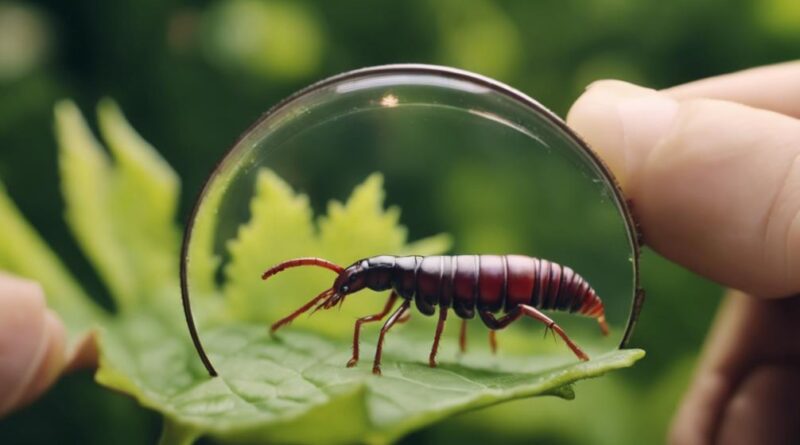
Determining Whether Earwigs Are Harmful to Your Home
You’ve likely encountered earwigs in your garden or even inside your home, and you might wonder if these small, pincer-tailed insects are harmful. While their appearance can be unsettling, earwigs generally pose no direct threat to humans.
However, the real question isn’t just about the danger they pose but about their role in your garden’s ecosystem and how their presence can impact your living space. Understanding the balance between managing an earwig population and benefiting from their natural behaviors might change how you view these misunderstood creatures. So, what should you consider before deciding to control their numbers?
Key Takeaways
- Earwigs pose no real threat to humans as their pincers are used primarily for defense and mating.
- They do not lay eggs in human ears, debunking a common myth.
- Earwigs can benefit gardens by providing natural pest control and aiding in plant decomposition.
- They prefer to run away rather than confront humans, making direct harm unlikely.
- Managing their habitat to prevent excessive moisture and darkness can minimize their presence indoors.
Understanding Earwig Behavior
To understand earwig behavior, it’s important to know that they’re nocturnal insects, primarily active at night and attracted to moist, dark environments. You might wonder, are earwigs harmful? Generally, they’re more of a nuisance than a threat.
While they don’t pose a direct health risk to humans since they don’t bite, their presence can be unsettling and sometimes indicative of bigger issues at your place. Earwigs feed on a wide range of organic materials, including harmful pests like aphids and beneficial plants.
This dual diet means they can be both helpful and detrimental to your garden. Indoors, finding earwigs often signals excessive moisture in your home. They’re usually just seeking the dampness they love, but their invasion might alert you to potential water damage or mold issues that need addressing.
Their ability to pinch with forceps can be intimidating, but they use this primarily for defense and hunting rather than aggression toward humans. The pinch might surprise you, but it’s rarely harmful. So, while earwigs aren’t dangerous, their presence should prompt you to check for moisture problems in your home, ensuring your environment stays less inviting to these and other pests.
Earwig Habitat Preferences
Earwigs thrive in damp, dark places such as under rocks and within mulch or decaying matter. If you’re noticing an increase in these critters around your home, they’ve likely found just the right environment in your garden or flower beds. These areas usually provide the moisture and shelter earwigs crave.
When conditions outside get too harsh, particularly hot and dry, earwigs might move indoors. You’ll typically find them in parts of your house where humidity levels are higher, like basements, bathrooms, and kitchens. They aren’t just looking for food; they seek refuge from the unfavorable outdoor conditions.
Being aware of these habitat preferences is important not only for spotting potential earwig hotspots but also for preventing an earwig infestation. Check around the foundations of buildings and any outdoor areas that stay moist.
By managing these environments—reducing moisture and clearing out potential hiding spots—you can keep earwig populations under control. Remember, they’re attracted to conditions you can manage and modify to make your space less inviting.
The Role of Earwig Pincers

Armed with forceps-like cerci, earwigs use these pincers primarily for defense, mating, and handling their food. When examining these intriguing creatures, it’s important to understand the multi-functional role of their pincers. Despite their intimidating appearance, the pincers are essential for the earwig’s survival in the wild. Here’s a quick rundown on the roles of earwig pincers:
- Defense: They use their pincers to fend off predators and other threats. This is their go-to method for protecting themselves.
- Mating: Male earwigs sport larger pincers, which are important during mating. These pincers impress potential mates and ward off rivals.
- Handling Food: Earwigs aren’t picky eaters but need their pincers to manage their meals. These appendages help them hold and consume a variety of foods.
- Deterrence: The mere sight of these prominent pincers can deter many would-be attackers as a visual warning of the earwig’s defensive capabilities.
Though the pincers might look menacing, they’re not typically harmful to humans unless seriously provoked. So, next time you spot an earwig, remember that those pincers are more about survival than causing harm.
Earwigs and Human Interaction
Despite common myths, earwigs pose no real threat to humans and typically avoid contact whenever possible. You might find the idea of these little critters unsettling because of their forceps-like pincers, but they’re not out to get you. These pincers, or cerci, are mainly used for defense and mating, not for attacking humans.
If you get pinched, they are probably agitated, not because they see you as a threat or a target. You might still want to get rid of earwigs if you find them creeping around your home. Remember, they’re more likely to run away than to confront, so don’t panic. There’s no truth to the old wives’ tale that earwigs crawl into human ears to lay eggs.
This myth has been thoroughly debunked by experts at Penn State College of Agricultural Sciences, who confirm that the idea of earwigs invading human brains is purely a misconception. To manage earwigs, reduce damp, dark hiding places around your home. They thrive in such environments, so maintaining a dry and well-lit home can discourage them from settling in.
Benefits of Earwigs in Gardens
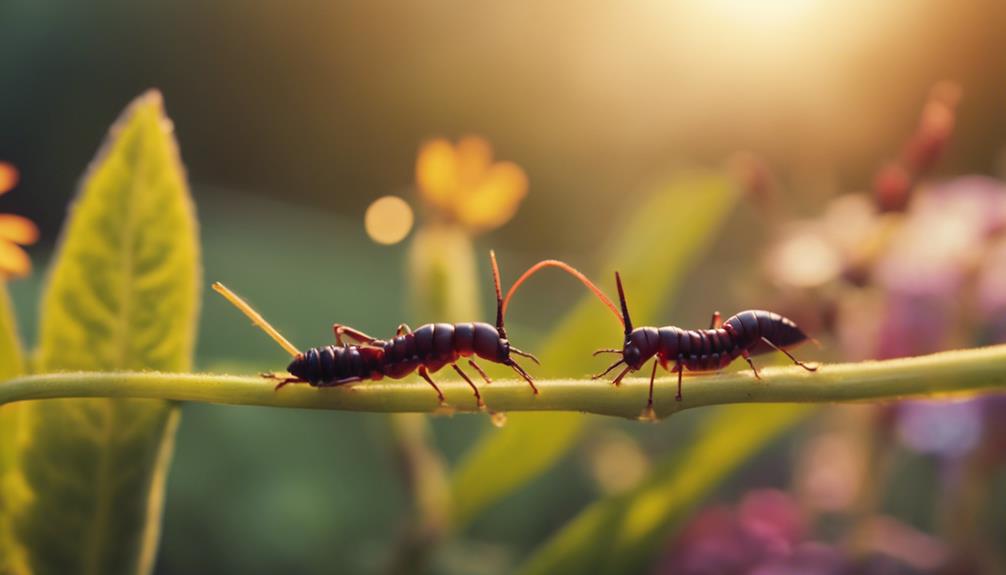
Incorporating earwigs into your garden benefits the ecosystem by naturally controlling pest populations. These misunderstood creatures offer several advantages that enhance the health and balance of your garden environment. Understanding the benefits of earwigs can change your perspective on their presence among your plants. Here’s how earwigs are beneficial:
- Pest Control: They consume a variety of garden pests, including aphids and mites, which are known to damage plants severely.
- Decomposition: Earwigs help break down decaying plant material, contributing to composting and improving soil health.
- Chemical Reduction: With earwigs actively managing pest populations, chemical pesticides are less likely to be used, leading to a more organic gardening approach.
- Ecological Balance: Their role in the food chain helps maintain the natural dynamics of garden ecosystems.
Common Myths About Earwigs
Let’s debunk some common earwig myths that persist despite a lack of scientific evidence. You might’ve heard the chilling stories: earwigs sneak into human ears to lay eggs or even bore into brains. However, these tales aren’t just exaggerated; they’re outright false.
Penn State College of Agricultural Sciences confirms there’s no truth to the myth of earwigs laying eggs in human brains. There’s zero proof that earwigs purposefully target human ears at all. Contrary to the scary stories, earwigs aren’t looking to attack humans. They’re much more likely to flee than to crawl into your ear.
This fear that earwigs are dangerous and seek out human ears to cause harm is unsupported by any factual evidence. While this idea might make for a good horror story, it doesn’t reflect reality. Understanding that these myths are unfounded can help alleviate any unnecessary worries you might have about these creatures.
Earwigs aren’t the monsters they’ve been made out to be. Instead of fearing them, it’s better to recognize their role in the ecosystem, which is far from harmful or menacing to humans.
Managing Earwig Populations
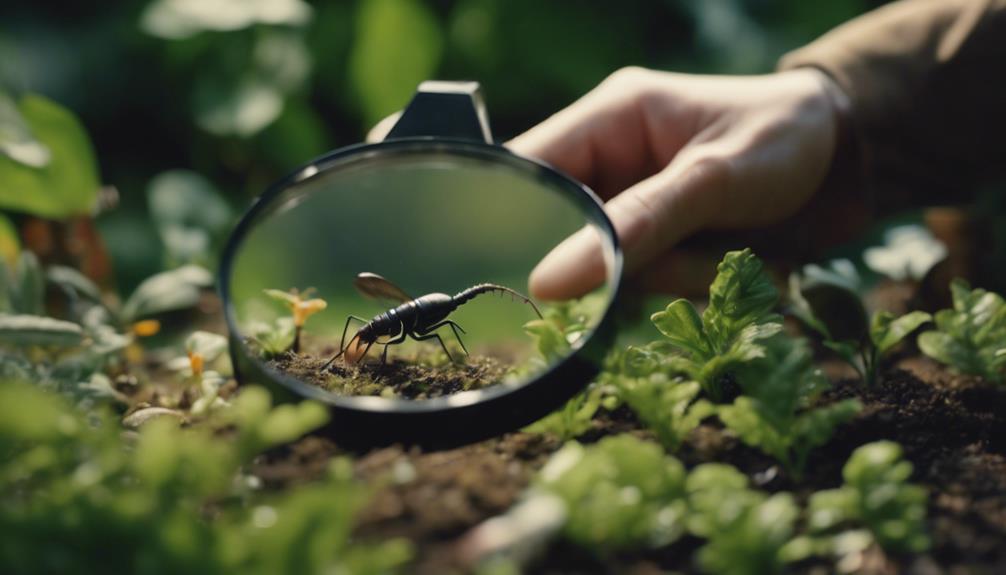
Now that we’ve cleared up common myths about earwigs, it’s important to focus on how you can manage their populations around your home. Keeping earwigs under control doesn’t have to be a challenging task. Here are some straightforward steps you can take to reduce their presence:
- Implement Moisture Control: Reduce excess moisture around your home by fixing leaks and ensuring proper drainage. This discourages earwigs, as they thrive in damp conditions.
- Remove Outdoor Debris: Clear leaf piles, old mulch, and other garden debris. These are ideal hiding spots for earwigs.
- Seal Entry Points: Check for and seal cracks and crevices in your home’s foundation, walls, and around windows and doors. This prevents earwigs from entering.
- Use Sticky Traps: Place sticky traps where you notice earwig activity indoors. This helps monitor and reduce their numbers effectively.
If you’re dealing with a severe infestation, don’t hesitate to seek professional pest control services. They can offer tailored solutions to keep earwigs at bay and maintain a comfortable home environment.
Identifying Earwig Damage
To effectively manage an earwig infestation, it’s important to recognize the specific signs of damage they cause in your garden. Earwigs can wreak havoc, especially on young seedlings and various fruits. If you’re noticing irregular holes and chew marks on plants’ leaves and soft parts, you might be dealing with earwigs.
This damage often resembles what caterpillars might leave behind, so it’s necessary to distinguish between them for proper treatment. European earwigs are particularly notorious for their impact on young plants and fruits. If your seedlings or new plant shoots show signs of distress, including chewed leaves or stems, it’s time to inspect for earwigs.
These pests are more active at night, so the damage might appear seemingly overnight, adding to your garden woes. Understanding these signs confirms the presence of earwigs and helps you take timely actions to control their population.
This knowledge is important, as unchecked earwigs can quickly escalate from a minor nuisance to a major threat to your garden’s health and yield. So keep your eyes peeled for these tell-tale signs and act swiftly to protect your plants.
Earwigs and Household Pests

Although primarily outdoor insects, earwigs can become unwelcome guests in your home under the right conditions. These pests aren’t like your typical household bugs. They have distinct characteristics and behaviors that set them apart from others, such as cockroaches or termites. Here’s what you might notice if earwigs start to frequent your living spaces:
- Attraction to Light: Unlike roaches that scurry away from light, earwigs are drawn to it. You might find them near well-lit areas or windows.
- Presence of Forceps: Earwigs are easily identifiable by the pincers at the end of their bodies, which they use for defense and during mating, not for harm to humans.
- Moist Areas: They prefer damp conditions and are more commonly found outside. However, if your indoor spaces have high humidity, they might make themselves home.
- Egg-Laying Habits: Since earwigs lay eggs, they might seek out secluded spots around your house to do so, increasing their presence indoors.
Understanding these habits helps you recognize an earwig infestation versus other pests. Remember, earwigs are not inherently harmful, but knowing how to spot them can prevent undue stress.
Preventative Measures for Earwigs
Understanding how to spot earwigs in your home helps you take the next step: implementing preventative measures to keep them out. To effectively rid your home of earwigs, sealing any cracks and crevices in walls and foundations is important. This simple action can prevent earwigs from entering and establishing a presence indoors.
Additionally, you’ll want to focus on moisture control. Using a dehumidifier in damp areas like basements or laundry rooms can make these spaces less inviting to earwigs, which thrive in moist environments. Here’s a straightforward guide to help you keep earwigs at bay:
| Action Item | Location | Benefit |
|---|---|---|
| Seal cracks and crevices | Walls, Foundation | Prevents entry of earwigs |
| Install door sweeps | Doors | Blocks entry points |
| Repair window screens | Windows | Keeps earwigs outside |
| Use a dehumidifier | Damp areas | Reduces moisture, deters earwigs |
Lastly, don’t forget the exterior of your home. Replace standard outdoor lights with yellow bug lights to reduce the attraction of earwigs to your property, and clear away debris and clutter around your house to eliminate potential hiding spots. These steps will greatly enhance your efforts to keep earwigs out of your living spaces.
Conclusion
To sum up, you needn’t worry too much about earwigs. Despite their intimidating appearance, they’re harmless to you and don’t threaten your health. Their pincers are used more for self-defense than aggression. You can manage their presence by making your garden and home less inviting.
Remember, they can even benefit your garden by preying on pests. By understanding and managing their behavior and habitats, you’ll find coexisting with earwigs is entirely possible.
Explore More Articles:
The Impact of Pesticides on Humans: Protecting Your Health
Determining Whether Earwigs Are Poisonous
Insecticides, Significance Types, Advantages and Disadvantages
