

What Attracts Earwigs: Insights and Actions to Prevent Infestations
You’re probably aware that earwigs are not the most welcomed guests in your home, yet you might find them sneaking into dark, moist corners despite your best efforts. You may not realize that these pesky insects are drawn to certain conditions that are surprisingly easy to overlook.
Each plays a significant role in attracting earwigs, from the organic matter in your garden mulch to the subtle leaks around your pipes. Suppose you’re curious about the often-missed factors that make your space a haven for these critters and what simple changes could keep them at bay.
Consider what adjustments can be made to turn your home into a less inviting environment for earwigs. What might these be, you wonder? Let’s explore some often-overlooked elements together.
Key Takeaways
- Earwigs are attracted to moist environments with high humidity and organic matter.
- Decaying organic materials, ripe fruits, and damp soil are prime attractants.
- Excess mulch, wet leaves, and leaky pipes increase earwig infestations by providing ideal habitats.
- Dark, secluded areas like basements and garages are preferred hiding spots.
- Reducing moisture, sealing entry points, and clearing debris can help prevent earwig attraction.
Understanding Earwig Attractions
To effectively manage an earwig problem, you must understand what attracts them to your home. Earwigs are drawn to environments that mimic their natural habitat, typically including moist soil and available decaying plant material. These pests thrive in conditions with excess moisture, so any sources of high humidity or water accumulation around your home can become potential hotspots for earwig activity.
You’ll want to inspect your home for entry points that might invite these unwelcome guests. Common areas to check include gaps around doors, windows, and foundation cracks. Since earwigs aren’t attracted to light, they often move towards darker, more secluded areas once inside.
This behavior increases their likelihood of ending up in your basement or garage, where conditions are ideal—dark, moist, and filled with opportunities to feast on organic matter.
Common Earwig Habitats
Earwigs often shelter in dark, damp places like your basement, kitchen, or bathroom. You might notice them scurrying away when you turn on the light during a late-night snack run. These pests love moist areas and will nestle into any cracks or gaps they can find, making your home’s nooks and crannies perfect for hiding during the day.
Earwigs are equally comfortable outside of your home. They thrive in the moist environment of compost piles or beneath the mulch in your garden. Here, they’re not just hiding; they’re actively seeking organic material to feed on, making these spots ideal for survival. Your potted plants can also become a sanctuary for these creatures, especially if the soil stays moist.
The secluded nature of potted plants provides an excellent breeding ground for earwigs, where they can continue their lifecycle undisturbed. To evoke a deeper understanding and emotion, check out this table highlighting typical earwig habitats:
| Habitat Type | Location | Description |
|---|---|---|
| Indoor | Basements | Dark, damp, full of cracks or gaps |
| Indoor | Kitchens/Bathrooms | Moist areas, access to water |
| Outdoor | Compost/Mulch | Moist, rich in organic material |
| Indoor/Outdoor | Potted Plants | Moist soil, secluded areas |
| Outdoor | Garden/Leaves | Wet, sheltered, natural environment |
Household Moisture and Earwigs
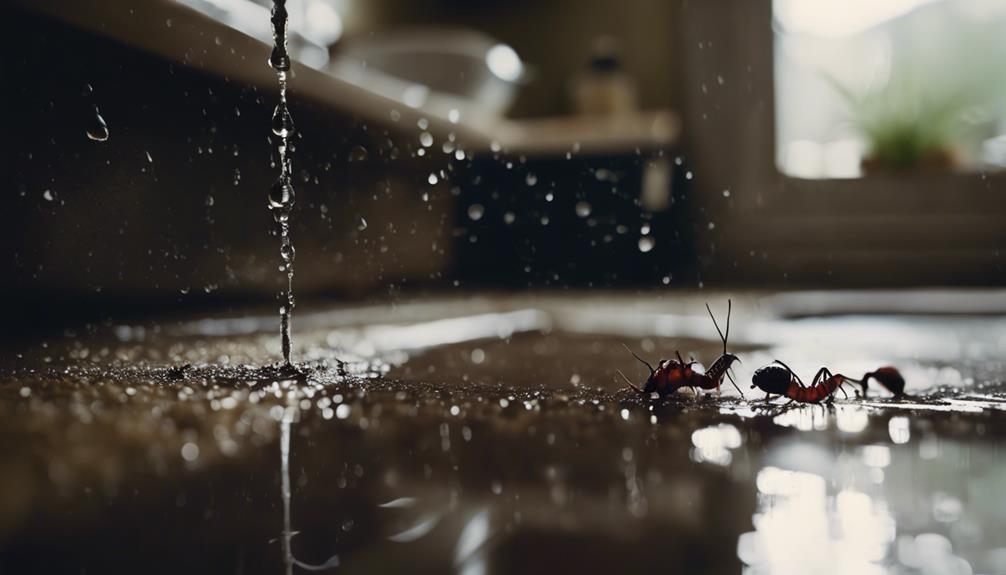
Given their preference for damp environments, it’s no surprise that earwigs are often found in homes with high moisture levels. You’ll especially notice them if you’ve got leaky pipes or a damp basement. These areas provide the perfect breeding ground for earwigs by maintaining the high humidity they thrive in.
If there’s plenty of organic matter around, your home becomes even more attractive to earwigs. Decaying plant material or a stack of damp newspapers can serve as a food source and a hiding spot for these pests. They tend to lurk in dark, secluded spaces, emerging mostly at night, making them less noticeable during the day.
To keep earwigs at bay, you’ll want to tackle the moisture issue first. Check for and repair any leaky pipes, and consider using a dehumidifier in your basement to reduce humidity. It’s also wise to remove any unnecessary clutter and organic debris inside your home.
Removing these attractants and sealing up cracks and gaps in walls and windows’ll make your space less inviting to earwigs. Implementing these changes can considerably reduce the likelihood of an earwig infestation.
Outdoor Factors Drawing Earwigs
When managing your garden, consider that moist environments, such as damp soil and excessive mulch, greatly lure earwigs. These conditions create the perfect hideout for them to thrive. You’ll often find earwigs under piles of wet leaves or within heaps of decaying mulch where the moisture level is consistently high.
Furthermore, earwigs are attracted to your garden’s organic offerings. Decaying leaves provide not just shelter but also a food source for these pests. They’re also drawn to ripe fruits that may have fallen from trees or plants. The natural sugars in these fruits ferment as they decompose, becoming irresistible treats for earwigs.
Additionally, don’t overlook the flowers in your garden. Earwigs are partial to soft petals, especially if these flowers are part of a densely planted area that retains moisture. They use these spots for feeding and hiding during the day.
Mold growth on any organic materials, be it leaves, fruits, or flowers, further increases the allure of earwigs, as it signifies decaying organic matter, a staple in their diet. Awareness of these factors helps you understand what draws earwigs to your outdoor space, setting the stage for taking preventative steps, which is essential for effectively managing their presence.
Preventative Measures for Earwigs

To effectively deter earwigs, seal any cracks and gaps in your home’s exterior. This method not only helps to keep your home more important but also prevents these pests from finding easy access. Focus on areas around windows, doors, and where utility pipes enter. Sealing these entry points keeps earwigs and other unwanted pests.
Next, you’ll want to manage the environment around your home. Since earwigs are attracted to moisture, it’s essential to eliminate any damp conditions near your foundation. Make sure your gutters are clean and draining properly away from your home. Also, avoid using outdoor lighting that directly illuminates your house, as these lights attract earwigs and other insects at night.
If you’re struggling with persistent earwig issues, it might be time to call in professional pest control services. These experts can offer tailored solutions and advice, ensuring your efforts are more effective. They can help you with advanced techniques to seal entry points thoroughly and provide ongoing support to keep your home pest-free.
Natural Remedies Against Earwigs
While taking preventive measures is a good first step, you can also use natural remedies to combat earwigs effectively. One popular method is diatomaceous earth; this non-toxic powder can dehydrate and kill earwigs when they crawl over it. It’s safe to sprinkle around your plants and foundations where earwigs frequent.
Additionally, essential oils such as lavender, peppermint, and cedarwood serve as excellent deterrents. You can mix a few drops of these oils with water in a spray bottle and apply the mixture around your home and garden, focusing on entry points and infested areas. Not only will your space smell great, but it’ll also be less inviting to earwigs.
Plant repellents are another effective strategy. Planting garlic, chrysanthemums, or tansy around your garden can help repel earwigs due to their strong scents. These plants act as a natural barrier, keeping earwigs at bay.
Remember about beer traps. Fill a shallow container with beer and place it near problem areas. Earwigs are attracted to the yeast in the beer and will fall into the trap and drown. Reducing their numbers around your outdoor spaces is a simple yet effective way.
Chemical Control Strategies

You can effectively manage earwig infestations using chemical control strategies, such as insecticides labeled for earwig control. Among the most effective options are pyrethrins and pyrethroids, which target earwigs without causing excessive harm to the environment.
These chemical controls disrupt earwigs’ nervous systems, leading to their quick elimination. In addition to synthetic options, natural insecticidal soaps, and diatomaceous earth can also prove effective in your battle against these pests. Insecticidal soaps break down earwigs’ outer layers, dehydrating and killing them.
On the other hand, diatomaceous earth is a fine powder that causes physical abrasions on earwigs as they crawl over it, leading to dehydration and death. It’s important to follow label instructions carefully when applying any insecticides. Incorrect usage can reduce effectiveness and pose risks to non-target species and the environment.
If you’re unsure how to proceed or want to ensure the most effective treatment, consider consulting a pest control professional. They can provide tailored advice and handle applications, ensuring your earwig problem is managed safely and effectively.
Monitoring and Maintenance Tips
Regularly checking dark, damp areas in your home, like basements and kitchens, helps detect early signs of earwig activity. By monitoring these zones, you’re taking an important step to make your home less appealing to these pests. It’s also vital to seal any cracks and gaps where earwigs might find their way inside, especially around windows and doors.
Use simple monitoring tools like sticky traps or rolled-up newspapers baited with oil to capture earwigs. These methods not only help evaluate the level of infestation but also reduce the population. Here’s a quick guide to help you stay on top of earwig control:
| Action Item | Description |
|---|---|
| Check dark, damp areas | Regular inspections prevent earwigs from settling in. |
| Use monitoring tools | Sticky traps and baited newspapers capture wandering earwigs. |
| Seal entry points | Close off cracks to stop earwigs from entering homes. |
| Clean outdoor areas | Remove debris to eliminate food sources and hiding spots. |
| Inspect indoor plants | Potted plants can harbor earwigs; check them regularly. |
Conclusion
To sum up, you can keep earwigs at bay by managing your home’s moisture levels and tidying up outdoor spaces. Seal those cracks and crevices, reduce humidity indoors, and clear away garden debris.
Opt for natural deterrents like essential oils or consider chemical options if necessary. Stay vigilant with regular checks and maintenance. These steps will create a less inviting environment for earwigs, protecting your home from unwanted guests.
Explore More Artices:
Determining Whether Earwigs Are Harmful to Your Home
Determining Whether Earwigs Are Poisonous
Insecticides, Significance Types, Advantages and Disadvantages
