
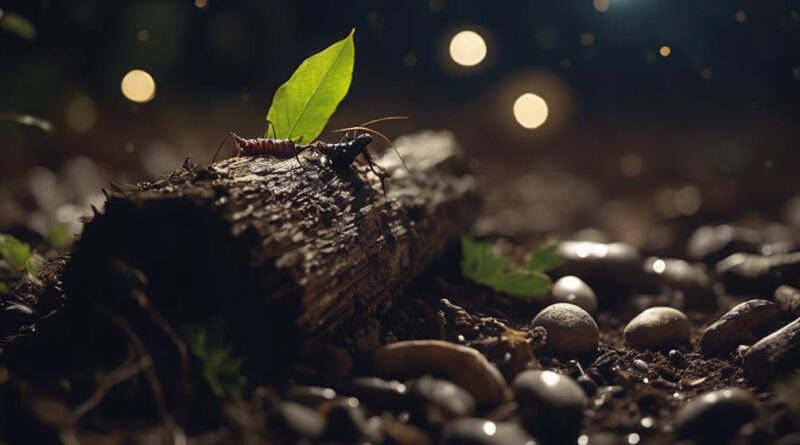
What Habitats Do Earwigs Prefer? Discover Their Living Spaces
You might wonder why earwigs favor your garden or basement’s damp, dark corners. These small, nocturnal insects thrive in environments that provide moisture and shelter, often burrowing deep into soil, leaf piles, or mulch. While their presence can be unsettling, understanding their preferred habitats is key to managing their populations around your home.
Consider what changes you could make to discourage these pests, and ponder why certain areas might attract them. What steps can you take to modify these conditions, and what might such changes have consequences on your local ecosystem?
Key Takeaways
- Earwigs thrive in damp, shaded environments such as under wet leaves or garden mulch.
- They prefer moist soil and are commonly found in flower beds.
- Earwigs seek shelter in dark, humid areas like woodpiles and cluttered storage spaces.
- They are attracted to indoor areas with high humidity, such as basements and bathrooms.
- Outdoor clutter and organic debris like decaying plant matter provide ideal earwig habitats.
Earwig Natural Habitats
Earwigs flourish in damp, shaded environments where they can find moisture and shelter. You’ll often see them nestled in moist soil, particularly under wet leaves or amidst garden mulch where dampness prevails. These insects are drawn to dark and damp places, seeking the coolness and protection they offer.
In your garden, earwigs congregate in flower beds and woodpiles, exploiting damp crevices as hideouts during the day. At night, they emerge to scavenge, feeding on a variety of decaying plant matter abundant in humid, shaded areas. This preference for nighttime activity helps them avoid predators and reduces the risk of dehydration under the sun.
The populations of these insects are significantly higher in conditions that foster high humidity, especially under objects that retain moisture and provide shade. This makes areas with rich, decaying organic material and moist soil ideal for their breeding.
Remember, while they might startle you with their sudden appearance, they’re primarily scavengers and aren’t out to harm you. They follow their instincts to stay cool, moist, and fed in their natural habitats.
Indoor Earwig Prevention
To prevent indoor earwig infestations, eliminate their preferred dark, moist habitats in your home, especially around bathrooms and kitchens. Focus on areas under sinks and in basements where moisture tends to accumulate. By reducing these moist hiding spots, you’re making your home less inviting for earwigs.
You also need to cut off their access to food and water. Be vigilant about cleaning up spills and crumbs promptly. Store food in airtight containers and manage garbage effectively. Here’s a quick guide to keep them out:
| Prevention Method | Tips |
|---|---|
| Seal entry points | Check doors and windows for gaps; seal cracks and crevices. |
| Reduce indoor moisture | Fix leaks and use dehumidifiers in damp areas. |
| Clean regularly | Sweep and vacuum to remove food debris. |
| Store food securely | Use airtight containers to block access to food. |
Regular maintenance and repair of your home’s structure are also essential. Inspect the foundation and walls, particularly around doors and windows, and seal any gaps or cracks. This prevents earwigs from finding easy entry points driven by harsh weather conditions. Remember, staying proactive is key to keeping your home earwig-free.
Moisture and Earwig Attraction

As you focus on reducing moisture around your home, remember that high humidity levels are a magnet for earwigs. These pests are particularly drawn to moist environments where they can thrive and reproduce. By addressing issues like water leaks and damp areas, you’re taking important steps to make your space less inviting to them.
Earwigs seek out wet soil, often found in gardens, under damp leaves, or in any dark, humid area. They’re likely to be found in basements, crawl spaces, and under sinks—places typically associated with higher moisture. This preference for humidity isn’t just about comfort; it’s essential for their survival and breeding.
Keeping your home dry is essential to deter these unwelcome guests. Fix any water leaks promptly, no matter how minor they may seem. Ensure good ventilation, especially in places prone to dampness. Regularly check and clear out spaces where humidity might accumulate unnoticed.
By maintaining a dryer environment, you’re setting up a strong defense against earwigs setting up camp in your home. Monitor humidity levels, and you’ll likely see fewer earwigs around.
Earwig Shelter Preferences
When considering where earwigs prefer shelter, they must note their affinity for dark, moist environments. You’ll often find them in moist soil areas, where they thrive under the damp conditions provided by wet leaves and other organic debris. These spots offer the perfect hideout from predators and the harsh elements.
Moreover, earwigs are drawn to shade-providing objects such as logs, rocks, and even the clutter in your yard. These areas provide protection and maintain the humidity that earwigs need for survival. During warm and humid weather periods, their populations can increase significantly, making these shelters even more crucial.
Additionally, earwigs seek out cracks or crevices in and around your home. These might be in the foundation, around windows and doors, or even in basements and crawl spaces where the environment is naturally cooler and damp. Such spots are especially appealing because they offer a retreat from the outside world, keeping earwigs safe and moist.
Understanding these preferences can help you anticipate where you might encounter these insects, ensuring you’re better prepared to deal with their presence around your living spaces.
Managing Outdoor Earwig Habitats

You can effectively manage outdoor earwig habitats by implementing specific strategies that focus on altering their preferred living conditions. First, address the high humidity levels that earwigs thrive in by ensuring your garden and home’s foundation remain well-drained.
Improve soil drainage or use dehumidifiers in damp areas to make the environment less inviting for these pests. Removing decaying plant matter around your property greatly reduces the available earwig shelters. Regularly clean up fallen leaves, rotting wood, and other organic debris.
This discourages earwig activity and contributes to broader pest control efforts by eliminating food sources and hiding spots. Consider elevating outdoor potted plants to improve air circulation around them, which helps lower moisture levels that attract earwigs. Set up stick traps around your garden or apply an exterior perimeter insecticide for more direct control.
These methods help catch and eliminate earwigs before they can enter your home. Lastly, ensure that potential entry points into your home are properly sealed. Check for gaps around doors, windows, and foundations, and seal them to prevent earwigs from migrating indoors. Keeping these areas tight helps maintain a barrier against earwigs and other pests.
Earwig Behavior Explained
Understanding earwig behavior is key to managing their presence effectively around your home. These creatures thrive in moist environments and are particularly drawn to decaying plant matter. You’ll often find them seeking shelter under objects that retain moisture, like logs and rocks.
Earwigs are more active during warm, humid weather, increasing their populations notably. Although they prefer the outdoors, don’t be surprised if you spot them around doors, as they sometimes wander indoors in search of a more suitable environment.
Managing moisture levels around your home is essential. By removing potential shelters and sources of dampness, you’re less likely to encounter these pests. Here’s a brief overview to help you understand their behavior better:
| Behavior | Preferred Conditions | Home Impact |
|---|---|---|
| Seek Shelter | Under logs, rocks | Can enter homes |
| Thrive in Moisture | Moist environments, outdoors | Increases near homes |
| Attracted to Decay | Decaying plant matter | Found around doors |
Common Earwig Hideouts

Earwigs seek moist and sheltered environments, so they often hide under logs, rocks, and other convenient coverings in your garden. These insects are drawn to damp and dark places where moisture is plentiful, making moist soil areas ideal for habitation.
You’ll find them nestled in these spots, thriving in the humidity that these microhabitats provide. When you’re exploring your garden, you might notice earwigs hiding under debris, especially near sources of decomposing plant matter. Such environments offer the perfect balance of moisture and protection from predators and the elements.
Boards, old garden tools, and piles of wet leaves can also serve as excellent hideouts for these creatures. Moreover, the presence of mulch in your flower beds significantly contributes to the attraction of earwigs. The mulch retains moisture and creates an inviting environment for earwigs to settle and multiply, particularly during warm and humid weather conditions.
By understanding these common hideouts, you can better manage the presence of earwigs around your home, ensuring that they stay in the garden where they can be beneficial rather than becoming a nuisance inside your house.
Earwigs and Household Entry Points
Earwigs can invade your home by squeezing through tiny cracks around doors and windows. They’re attracted to the moisture and darkness in common areas like your kitchen and bathroom. Once inside, they look for food sources to quickly increase their population. To prevent these pests from entering, focus on these key areas:
- Seal Cracks and Gaps: Check doors, windows, and baseboards for openings. Use caulk or weatherstripping to seal these potential entry points.
- Dry Up Damp Areas: Since earwigs thrive in moisture, it’s crucial to reduce dampness in places like basements and crawl spaces. Fix any leaks and use dehumidifiers if necessary.
- Clear Exterior Debris: Remove piles of leaves or wood from around your home’s foundation, as these can be ideal earwig hiding spots.
- Secure Food Sources: Keep your kitchen clean and store food in airtight containers. Don’t leave pet food out overnight; it can attract earwigs looking for a meal.
Reducing Indoor Humidity Levels

To effectively deter earwigs, you should maintain 30-50% indoor humidity levels. This range keeps your home inhospitable to these pests, who thrive in more damp environments. Dehumidifiers can achieve these ideal humidity levels, especially in prone areas like basements and crawl spaces.
These devices work wonders in sucking out the unwanted moisture that attracts earwigs. Additionally, ensuring proper ventilation in your home is essential. Focus on areas like bathrooms and kitchens, where moisture tends to accumulate from steam and cooking. Install exhaust fans or open windows regularly to help reduce condensation buildup.
This not only helps control humidity but also improves overall air quality. Don’t overlook the importance of fixing any leaky pipes and faucets promptly. These leaks contribute to excess moisture, creating perfect conditions for earwigs to settle in. Regularly check under sinks, around your water heater, and other plumbing fixtures for any signs of leakage and address them immediately.
Conclusion
You’ve got the basics to tackle earwig issues effectively. Remember, reducing moisture around your home is key. Fix any leaks and improve ventilation to discourage these pests. Keep your outdoor areas tidy, especially by clearing leaf piles and debris where earwigs love to hide. By understanding their behavior and preferred habitats, you can prevent them from becoming unwelcome guests in your home. Stay vigilant and maintain these practices for a pest-free environment.
Explore More Articles:
Why Do Earwigs Prefer Dark and Damp Habitats? The Science Behind It
Exploring Whether Earwigs Hurt You: Separating Myths from Facts
