

Why Do Earwigs Prefer Dark and Damp Habitats? The Science Behind It
Have you ever wondered why you typically find earwigs in dark, moist environments? These creatures are not just seeking refuge from the harsh daylight; they’re constantly searching for survival. By choosing habitats that provide ample darkness and moisture, earwigs effectively evade many predators and maintain the necessary hydration levels for their life processes.
But there’s more to their habitat preference than meets the eye. It involves intricate behaviors and ecological impacts that might change how you view these often misunderstood insects. Explore what drives these preferences and how they thrive under such conditions.
Key Takeaways
- Dark and damp habitats provide moisture essential for earwigs’ hydration and survival.
- Such environments offer protection from predators by enabling effective concealment.
- High humidity levels in these habitats are ideal for breeding and egg development.
- Darkness and moisture support the growth of fungi and algae, crucial food sources for earwigs.
- These conditions help maintain a stable environment for sustaining large earwig populations.
Earwig Nocturnal Behavior
Earwigs are primarily active at night, finding their way under rocks, inside decaying wood, or beneath piles of leaves where it’s cool and shadowy. They’ll be found in habitats that offer the best shelter and protection from harsh sunlight and potential predators.
These nocturnal creatures are skilled at maneuvering their way under rocks, inside decaying wood, or beneath piles of leaves where it’s cool and shadowy. By avoiding sunlight, they can maintain moisture in their bodies and stay hidden from those who might prey on them. Their preference for the dark isn’t just about staying out of sight.
It’s also about survival. Darkness provides natural cover, allowing earwigs to be active without the threat of being spotted. In these preferred conditions, they can hunt for food, mate, and do their daily activities with a lower risk of predator encounters. The night offers a safer, more hospitable time to emerge and explore their environment, ensuring they can thrive and continue their lifecycle with minimal disturbances.
Moisture Requirements
As you’ve seen, their preference for darkness plays a significant role; equally important is their need for moist environments to manage hydration effectively. Earwigs’ moisture requirements are vital, as they lose moisture rapidly in dry conditions.
This need drives them to seek out damp habitats to maintain their body’s water balance and prevent dehydration. In these moist environments, earwigs find not only the high humidity levels necessary to thrive but also the ideal conditions for breeding.
The shelter provided by dark, damp areas offers protection and a stable setting where they can reproduce effectively and guarantee the survival of their offspring. Moreover, such conditions support the growth of fungi and algae, essential elements of earwigs’ diet, enhancing their ability to forage for food without straying too far from safety.
Sheltering From Predators
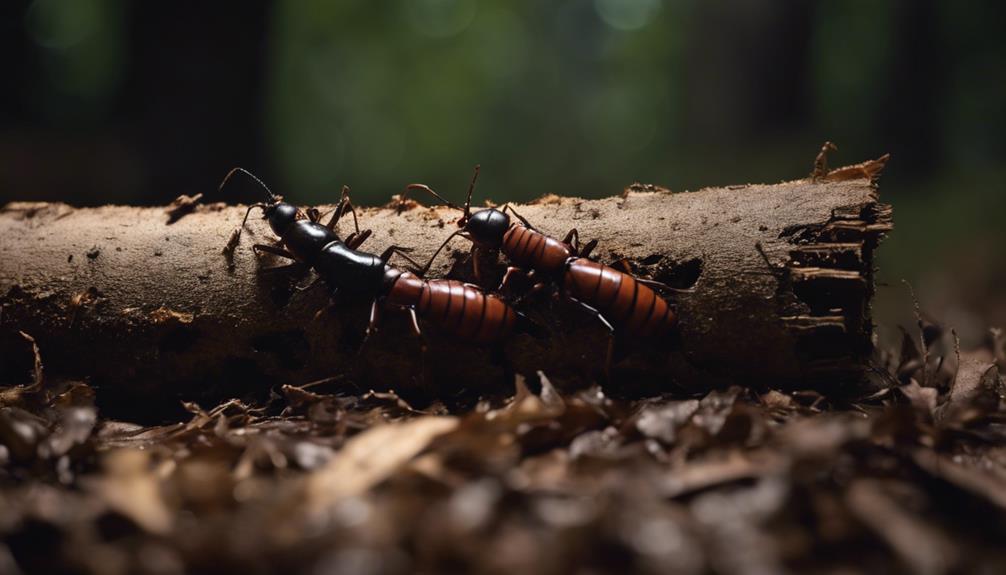
These insects gravitate towards dark and damp habitats to evade predators, which offer essential concealment and protection. By sheltering in such environments, you’ll find that earwigs effectively hide from various threats, including birds and predatory insects.
These predators often hunt during daylight, making darkness a reliable ally for earwigs. Aside from providing a hiding spot, the dampness supports the moist conditions under which earwigs thrive without being easily spotted. Moreover, these dark, damp habitats aren’t just random choices.
They’re strategic locations where earwigs can remain almost invisible to their natural enemies. The cool, shadowy underbrush or beneath stones are prime examples where earwigs find the seclusion they need. This natural inclination to seek out dark and moist places isn’t just about comfort; it’s a survival tactic. It’s their best bet at staying off the radar of daytime hunters who rely on sight to catch their prey.
Ideal Breeding Conditions
Choosing dark and damp habitats, earwigs create ideal conditions for breeding that guarantee their eggs are protected from drying out. You’d find that these dark habitats shield the vulnerable earwig eggs from the harsh rays of sunlight and provide a safe haven from predators.
The damp environments are important—they maintain the high humidity levels needed for the eggs to develop successfully without desiccation. Here’s why these conditions are important for earwigs:
- Humidity Control: High humidity levels in these damp environments are essential for preventing the earwig eggs from drying out, ensuring they can develop into healthy nymphs.
- Predator Protection: The darkness is a natural barrier against many predators that hunt by sight, safeguarding the eggs and young nymphs during their most vulnerable stages.
- Optimal Growth Conditions: The stable conditions of dark and damp environments support the survival and growth of earwig populations, allowing them to thrive and multiply efficiently.
As you can see, earwig breeding success heavily depends on these environmental factors. By maintaining these conditions, earwigs can secure their populations’ continued growth and sustainability in their chosen habitats.
Attraction to Food Sources

Earwigs are drawn to dark and damp habitats where they readily find abundant decaying plant matter and other organic material to feed on. This attraction isn’t just about food; it’s also about survival. In these environments, you’ll find the necessary shelter and protection from predators, essential for their nocturnal lifestyle.
Additionally, the moisture in such habitats helps maintain their hydration levels, which is important since earwigs can lose water quickly. The presence of organic material sustains them and encourages their reproduction by providing a rich environment for laying eggs and supporting young earwigs.
This constant availability of food sources makes dark and damp areas ideal for sustaining large populations of earwigs. They’re particularly attracted to these spots because, as nocturnal creatures, they thrive in the darkness, which coincides with their active periods. Here, they can hunt, feed, and move without the threat of predators that are less active at night.
Common Earwig Habitats
Commonly, you’ll find earwigs nestled in dark and damp places like under rocks, inside logs, or amidst leaf litter. These environments provide not just a refuge but also a prime location for breeding and protection from predators.
As you explore your backyard or local park, you might be surprised at how adept these insects are at finding the perfect spots to thrive. Earwigs are particularly drawn to areas that maintain a constant level of moisture. This is why you’ll often discover them in places you mightn’t think to look:
- Basements and Crawl Spaces: These areas of your home naturally offer the dark, moist conditions earwigs favor.
- Compost Piles and Woodpiles: Both provide an abundant supply of decomposing material, keeping the environment suitably damp and providing plenty of food.
- Outdoor Trash Bins: Often overlooked, these can become earwig havens if not regularly cleaned and dried.
Each of these habitats supports the earwig’s need for a moist and sheltered environment, essential for their survival and propagation. So, if you’re dealing with an earwig issue, consider these common haunts as starting points for control and prevention.
Conclusion
You’ve discovered why earwigs favor dark, damp habitats: they’re nocturnal creatures needing moisture to thrive and breed successfully. These conditions also provide essential shelter from predators and an abundant food supply from decaying plant matter.
Understanding this, you can better manage their presence around your home by minimizing moisture and removing debris that creates ideal hiding spots. Remember, altering their preferred environments makes you less likely to encounter these intriguing yet often unwelcome guests.
Explore More Articles:
Trap Jaw Ant: The Secrets Behind Their Powerful Mandibles
