
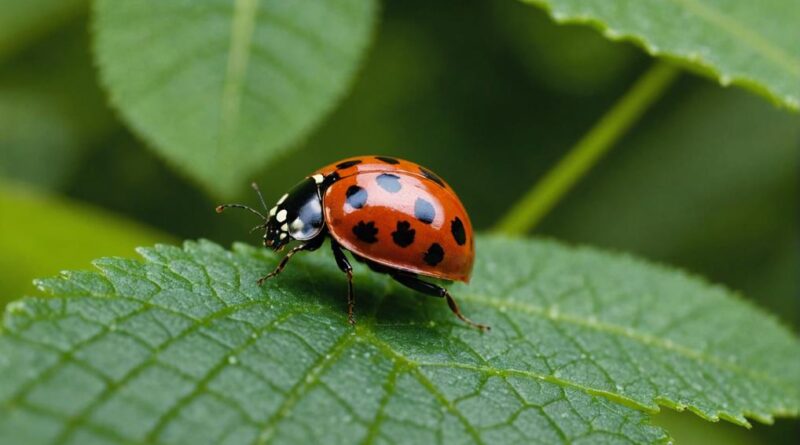
Biological Pest Control and Its Effectiveness: A Complete Guide
You’ve likely heard of biological pest control, but how much do you know about its mechanisms and real-world applications? This method leverages natural predators, parasites, and pathogens to keep pest populations in check, offering a greener alternative to chemical pesticides.
While this approach can help preserve biodiversity and reduce environmental impact, you might wonder about its overall effectiveness and limitations in various agricultural settings. Consider the complexities and challenges of integrating biological control into modern farming practices. What are the potential trade-offs, and how do they impact the feasibility of this method on a larger scale?
Key Takeaways
- Biological pest control utilizes predators, parasites, and pathogens to reduce pest populations sustainably.
- It promotes ecological balance, preserves biodiversity and beneficial insects, and minimizes the impact on non-target organisms.
- Examples include using ladybugs in vineyards for aphid control, leading to increased biodiversity and reduced chemical use.
- While slower than chemical methods, biological control is more environmentally sustainable and aligns with eco-friendly consumer preferences.
- Challenges include dependency on specific environmental conditions, slower action compared to chemicals, and potential ecosystem disruptions.
Understanding Biological Pest Control
Biological pest control leverages natural predators to manage harmful pests effectively. By embracing this vital method, you reduce the environmental impact of chemical pesticides. By using organisms that naturally prey on pests, you help maintain ecological balance and protect biodiversity.
This approach often results in fewer chemical residues in the environment, promoting healthier ecosystems and reducing risks to human health. Navigating the regulatory frameworks surrounding biological control can be tricky. It would be best to stay informed about local and international regulations that govern the use of biological agents.
These frameworks are designed to ensure that introducing new species for pest control doesn’t disrupt existing ecosystems or harm non-target species. Compliance is important not only for environmental protection but also for the success of your pest management strategy.
Understanding these regulations helps you implement biological control methods responsibly. Collaborating with regulatory bodies and seeking guidance when planning pest control strategies is crucial. Doing so ensures that your practices are sustainable, legally compliant, and effective in the long run. Staying informed and adherent to these regulations enhances the reliability and acceptance of biological pest control methods.
Types of Biological Control Agents
Now that you’re familiar with the regulatory landscape, let’s explore the different biological control agents used to manage pests. Understanding these agents, their lifecycles, and how they integrate ecologically is essential for effective pest management. Biological control agents fall into three primary categories: predators, parasites, and pathogens.
Each type has its unique role and applicability depending on the pest and the environment. Predators, such as lady beetles and lacewings, directly consume many pests. Parasites, like certain wasps, lay their eggs on or in the past, which are used as food for the developing larvae. Pathogens, including bacteria and fungi, infect and kill the pest from within. Here’s a quick overview to help you grasp their roles:
| Type | Example | Mode of Action |
|---|---|---|
| Predator | Lady Beetle | Consumes multiple pests |
| Parasite | Braconid Wasp | Lays eggs on pests |
| Pathogen | Bacillus thuringiensis | Infects and kills pests |
Each agent’s lifecycle and how it fits into its ecological system are key to maximizing its effectiveness while maintaining environmental harmony. Understanding this helps in choosing the right agent for the right pest problem.
Success Stories and Case Studies
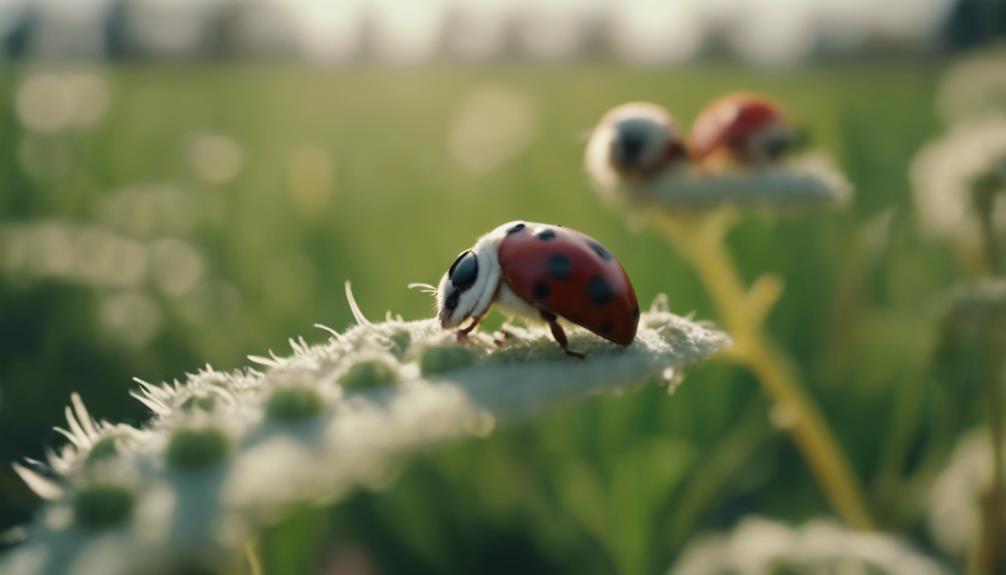
The success of biological pest control is often best highlighted through real-world case studies and impactful success stories. These examples not only demonstrate effectiveness but also shed light on the positive ecological impacts they foster. Take the case of the cotton growers in Texas, for example. They’ve been battling the boll weevil for decades.
Introducing specific parasitoids that target only the boll weevil, they’ve seen a dramatic decline in the pest population without harming beneficial insects or the environment. Farmer testimonials from the region often highlight significant increases in yield and a reduction in chemical pesticides, which protects local wildlife and water sources.
Another success story comes from California, where vineyard owners have adopted ladybugs to tackle aphid infestations. Natural predation hasn’t only controlled the pest problem but enhanced the area’s biodiversity, contributing to healthier soil and better grape quality.
Listening to the farmers, you’ll hear pride in their sustainable practices and the noticeable improvement in the ecological balance of their vineyards. These examples illustrate the effectiveness of biological pest control and its role in promoting environmental health and sustainable agricultural practices.
Challenges and Limitations
Despite these successes, why do some farmers experience challenges with biological pest control? You might find the concept promising, but it’s not without its hurdles. Implementing biological control methods effectively requires understanding both the benefits and limitations.
Firstly, biological agents often work slower than chemical pesticides. You’re playing the long game, which can be frustrating if you face a severe pest outbreak that needs quick action. The environmental impact, although generally less severe than with chemicals, still exists.
Introducing a new species to control pests can inadvertently affect non-target species or disrupt existing ecosystems. Let’s not forget pest resistance. Just like with antibiotics and bacteria, pests can develop resistance to their biological adversaries, especially if those agents are used repeatedly and indiscriminately. This resistance can render the biological control method less effective over time. Additionally, consider these points:
- Weather Dependency: Biological control agents are often more susceptible to weather conditions than chemical pesticides.
- High Initial Costs: Setup for biological control can be expensive and resource-intensive.
- Complex Knowledge Requirement: You need detailed ecological and biological knowledge to implement these systems effectively.
- Limited Scope: Some biological control agents are effective only against specific pests.
- Regulatory Hurdles: Government regulations regarding releasing organisms can be strict and time-consuming to navigate.
To ensure the success of biological pest control in your farming practice, you must weigh these challenges carefully against the potential benefits.
Comparing Biological and Chemical Methods
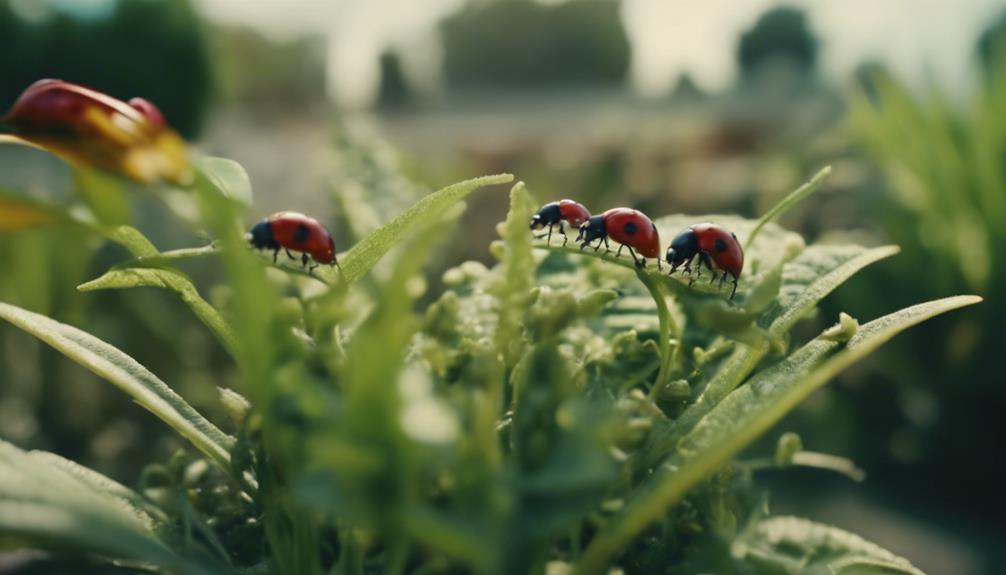
While biological and chemical pest control methods aim to protect crops, they differ greatly in their approach, effectiveness, and environmental impact. Biological processes, which involve using natural predators or parasites to control pests, are generally more sustainable.
They don’t leave harmful residues that can affect non-target species or lead to environmental degradation. Conversely, chemical pesticides often promise quicker results but at a significant cost to the environment. They can contaminate soil, water, and air and harm beneficial insects as well as the targeted pests.
When you consider cost analysis, the picture varies. Initially, chemical methods might seem cheaper due to the lower costs of synthetic pesticides. However, you must factor in the long-term environmental cleanup costs and the potential loss of biodiversity, which can be expensive.
Biological control, while potentially higher in initial investment, tends to pay off better in the long run. It reduces the need for repeated chemical applications, lowers health risks, and preserves the ecological balance.
Future Prospects in Biological Control
Looking ahead, the future of biological control holds promising advancements and broader applications in sustainable agriculture. As you explore this field, you’ll discover opportunities and challenges that could reshape how we manage agricultural pests. Here are key aspects to ponder:
- Integration with technology: Biotechnology and genetic engineering advances could lead to more targeted and efficient biocontrol agents.
- Enhanced Regulatory Frameworks: Stricter regulations will likely emerge, ensuring safe and effective biocontrol practices while minimizing ecological risks.
- Increased Consumer Acceptance: As awareness grows, so will acceptance. Consumers lean towards environmentally friendly products, which bodes well for biocontrol methods.
- Collaborative Research Initiatives: To propel innovation, expect more partnerships between academic institutions, government, and the private sector.
- Global Expansion: As the effects of climate change intensify, the need for adaptable and resilient pest control methods increases, leading to broader adoption of biocontrol solutions worldwide.
Adopting these trends will enhance your approach to pest management and align with shifting consumer preferences and regulatory landscapes. It’s an exciting time to be involved in biological control—your efforts now could lead to substantial benefits for global food security and ecosystem health.
Conclusion
You’ve seen how biological pest control can revolutionize agriculture, making it more sustainable and eco-friendly. By embracing natural enemies to tackle pests, you’re supporting biodiversity and reducing harmful chemical usage.
However, it’s not without its challenges. As you compare biological methods with chemical ones, consider their long-term benefits and current limitations. The future looks promising, and continued innovation and adoption could see biological control becoming a cornerstone of global agricultural practices.
Discover More Articles:
Find the Best Pest Control Products to Keep Your Home Safe
Assassin Bug Florida: Facts, Behavior, and Control Tips
How Ultrasonic Pest Repellers Work: Science Behind the Solution
