
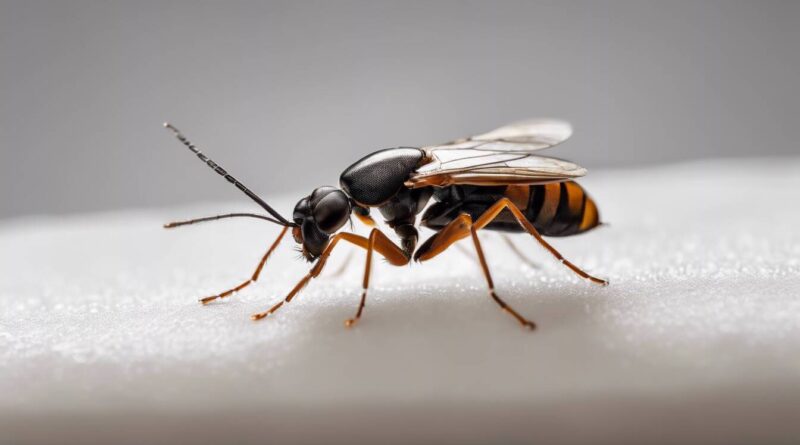
How to Identify Bugs That Look Like Bedbugs
Distinguishing bed bugs from their lookalikes isn’t always straightforward. Both insects share similar traits, such as tiny size and brownish hue, which is confusing. However, attention to specific details like body shape, patterns, and behavior can reveal their true identity. Fleas, booklice, and carpet beetles are common culprits known for their striking resemblance to bed bugs, but they behave differently. Ignoring these characteristics might lead to wrong pest control measures. A closer inspection of these critters is needed to make this task more approachable. Let’s dive deep into learning about these clandestine dwellers.
Some bugs that resemble bedbugs include carpet beetle larvae, bat bugs, cockroach nymphs, and ticks. It’s important to identify the insect accurately so that the appropriate management steps can be taken. If you suspect an infestation, it is recommended that you consult with a professional exterminator for proper treatment.
Common Bugs That Look Like Bed Bugs

The world of pests is as diverse as it is irritating. Some pests, like fleas, carpet beetles, and booklice, bear notable similarities to bed bugs. Misidentifying them can lead to ineffective treatment methods and prolonged infestations, so educating yourself about these lookalike bugs can save you time, money, and stress in the long run.
Let’s start with fleas. These tiny, hopping insects are a common household nuisance, causing significant distress to pet owners. While both adult bed bugs and fleas are brownish, key differences exist. Fleas are flattened from side to side and have long back legs, which allow them to jump considerable distances. On the other hand, bed bugs have a more oval-shaped body and cannot jump. Understanding these basic physical differences can prevent misidentification.
- Fleas are also known for their biting habits, leaving small, red, itchy marks on human skin.
Next up are carpet beetles, a potential source of frustration for homeowners. These insects feature wings and possess a speckled pattern on their bodies. Unlike bed bugs, carpet beetles do not bite humans but feed on fabrics or carpet fibers. Recognizing the visual disparities between carpet beetles and bed bugs is essential for implementing targeted pest management strategies.
Finally, let’s touch on booklice, another frequent culprit in misidentification. These insects have wings and larger heads compared to bed bugs. They typically feed on mold or fungi found in paper products rather than blood, like bed bugs. Familiarizing yourself with these distinguishing features will enable you to differentiate booklice from bed bugs during inspections accurately.
Knowing how to differentiate between bed bugs and similar-looking pests is pivotal for effective pest control and peace of mind. By understanding the distinct characteristics of each insect, you can thwart potential infestations before they become unmanageable.
With a solid understanding of the similarities and differences between various bugs and bed bugs, let’s now delve into the specific characteristics that distinguish bed bugs from their lookalikes.
Characteristics of Bed Bugs Vs. Lookalikes
The key to accurately identifying bed bugs is closely observing their physical attributes. Adult bed bugs have distinct features: a flattened, oval body measuring 4-5 mm long and a reddish-brown coloration. Their bodies become darker and more elongated when they feed on blood. Unlike some of their lookalikes, bed bugs lack wings and rely solely on crawling—meaning you won’t find them flying or jumping around.
In contrast, many other creatures bear similar resemblances but with minor differences. For instance, ticks, sometimes mistaken for bed bugs, have hefty back legs for gripping onto hosts but are noticeably distinguished by a hard shield covering their backs and eight legs instead of six.
Similarly, carpet beetles have wings and come in various colors and patterns, unlike bed bugs. Their small, oval-shaped bodies range from 1-4 mm long, much smaller than adult bed bugs.
Another distinguishing factor is their behavior. While bed bugs are most active at night when they feed, fleas are known for their jumping capabilities and are primarily active during the day.
These subtle differences may seem insignificant at first glance but play a critical role in correctly identifying the bug infesting your home. This attention to detail can significantly impact the effectiveness of pest control measures implemented to tackle each pest.
Understanding these nuanced physical features and behavioral traits makes it easier to discern between bed bugs and their lookalikes, ensuring appropriate management strategies can be employed for effective pest control.
Bed Bugs and Their Similar Species: Size and Color
Attention to the specifics is essential when understanding the size and color of bed bugs compared to similar species. Bed bugs are small insects measuring about 4-5mm long and typically possess a reddish-brown color. They may be mistaken for other insects with similar features, but key differences become evident upon closer inspection.
For instance, carpet beetles are often misidentified as bed bugs due to their small size. However, carpet beetles range in size from 1.7 to 3.5 mm and come in various colors, such as black, white, and orange.
In contrast to uniformly reddish-brown bed bugs, the color variations in carpet beetles can make them larger and more colorful than bed bugs. This distinction alone is valuable in helping people differentiate between these two insects.
Picture observing the tiny creatures side by side—bed bugs with their consistent reddish-brown hue and carpet beetles displaying a spectrum of colors, including black, white, and orange patterns. The stark visual contrast is an invaluable cue to differentiate between similar species.
Understanding these significant differences in size and color not only aids in accurate identification but also demonstrates the meticulous process required for effectively distinguishing between bed bugs and their lookalikes. This attention to detail can ultimately contribute to a more comprehensive resource for anyone seeking to identify these pests confidently.
By grasping the distinct physical attributes of bed bugs and their counterparts, we establish a solid foundation for examining their behavior and habitat compared to other pesky bugs.
Behavior and Habitat of Bed Bugs Vs. Other Bugs
These nocturnal creatures are most active at night and hide during the day in cracks and crevices near where people sleep, making them challenging to detect.
Their inability to jump or fly doesn’t hinder their feeding habits; they are skilled bloodsuckers, often taking a meal entirely unnoticed as their hosts sleep. Unlike mosquitoes or fleas, bed bugs typically bite in groups, leaving behind rows of small, itchy red spots on the skin. It’s important to note that bed bugs prefer humans as their primary food source, but they can feed on other mammals if humans are unavailable.
Contrasting Feeding Habits
“Understanding the differences in feeding habits can help you identify these sneaky invaders more accurately.”
Shifting the focus to distinguishing bed bugs from their lookalikes with different dietary preferences, consider carpet beetles—they’re after animal products and textiles, not blood-like bed bugs. This means that the telltale signs of an infestation will differ between these two species.
By recognizing these distinctions in behavior and diet, homeowners can better understand and address any issues they may face with potential bug infestations.
Regarding habitats, bed bugs tend to reside nearby, where people rest for prolonged periods. This includes mattresses, sofas, and even dressers located close to beds. Their proximity to sleeping areas helps explain why they thrive in hotels and residential spaces.
Conversely, other bugs may have distinct behavioral patterns and habitats compared to bed bugs. Some bugs may be more attracted to light or prefer outdoor environments or specific indoor spaces.
Understanding these contrasting behaviors and habitats is crucial in identifying the presence of bed bugs and distinguishing them from similar-looking pests.
Do Bugs That Look Like Bedbugs Also Have an Attraction to Light?
Yes, bugs that look like bedbugs do have an attraction to light. This phenomenon is a part of exploring insect attraction to light as many bugs, including those similar to bedbugs, are drawn to sources of light. This behavior can be helpful in identifying and controlling these pests in a home environment.
Effective Ways to Differentiate Bed Bugs From Lookalikes
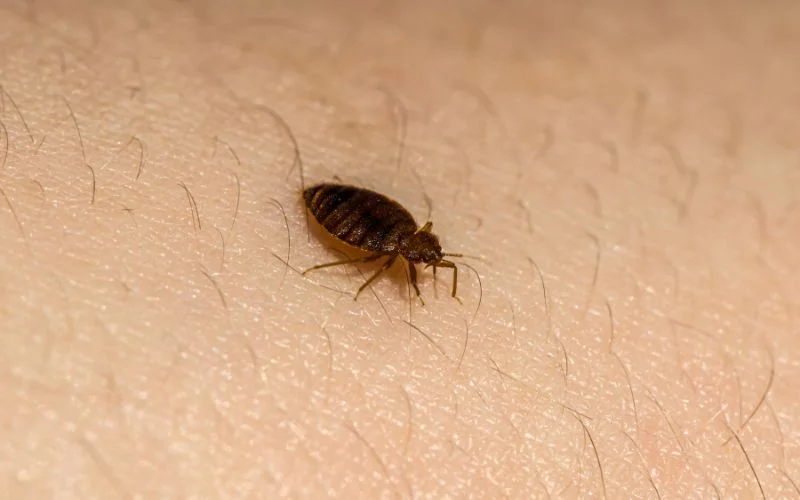
When identifying bed bugs, it’s crucial to be thorough and meticulous. A magnifying glass or a strong flashlight can help reveal distinct differences between bed bugs and their lookalikes. Here are some practical steps to distinguish bed bugs from other insects.
Magnification Examination
Inspecting the bugs carefully under a magnifying glass can help reveal key differences. For instance, bed bugs have an oval-shaped body with a reddish-brown coloration, while fleas are often flattened from side to side with long back legs for jumping. This detailed examination can also help you spot other specific features, such as the distinctive antenna length, the presence or absence of wings, and the overall body structure that sets bed bugs apart from similar-looking pests.
Bed Bug Traps
Another effective strategy is to place bed bug traps in areas suspected of harboring these pests. These traps often contain a lure that attracts bed bugs but doesn’t attract many other types of insects. This method lets you capture samples for identification and then make informed decisions about the next steps.
Seek Professional Pest Control Services
When in doubt, it’s always best to seek advice from a professional pest control service. Entomologists and pest control experts have the expertise and tools to identify insect species accurately. Their trained eye and experience in dealing with various pests enable them to distinguish bed bugs from their counterparts precisely.
Lay Down Encasements
To further ensure the effectiveness of your methods, consider laying down encasements for mattresses and box springs. These encasements serve as protective barriers, making it easier to identify signs of infestation and enhancing the effectiveness of ongoing pest control efforts.
Armed with these practical methods, you’ll be better equipped to discern and address potential bed bug issues in your living spaces. These techniques ensure proper identification and facilitate targeted pest management strategies, ultimately contributing to a pest-free environment.
Response Plan When Misidentified Pests are Discovered
Discovering that you’ve misidentified a pest infestation can be frustrating and have serious consequences. Rapid action is essential to mitigate the impact of the misdiagnosis and prevent any health hazards. Here’s a comprehensive response plan you can implement when facing such a situation.
Assess the Situation
Start by calmly assessing the extent of the infestation. Look for signs of pest activity where you’ve found the bugs or suspected their presence. This assessment will help you understand how widespread the issue is and what areas of your home may be affected.
Remember that the earlier you catch and address an infestation, the easier and less expensive it will be to get rid of it.
Containment Measures
Once you’ve assessed the situation, it’s critical to contain the infestation to prevent it from spreading further. This involves:
- Isolation: If possible, isolate the affected area to minimize the movement of pests to other parts of your home.
- Sealing Cracks and Gaps: Address any cracks or gaps where pests might enter or exit your home.
Containing the infestation reduces the risk of spreading to other areas, which can help control the situation until professional help arrives.
Minimize Health Risks
Misidentifying a pest infestation can potentially lead to health hazards, so it’s important to prioritize safety measures for you and your family. Some vital steps include:
- Air Quality: Ensure good ventilation and consider using air purifiers to maintain air quality.
- Protective Gear: Use gloves and face masks to prevent exposure to potential allergens or contaminants when dealing with affected areas.
Seek Professional Help
Engage a licensed pest control professional as soon as possible. A professional will have the expertise, tools, and experience to handle the situation effectively. While waiting for their arrival:
- Do Not DIY: Avoid attempting home remedies or using over-the-counter pesticides, as this can worsen the situation and pose risks to your health.
- Documentation: Keep records of the observed pest activities, actions taken, and symptoms experienced by family members.
These measures will streamline the process when professionals arrive and provide them with insightful information about the situation.
Prevent Future Misidentifications
Learning from an incorrect identification is essential. Take steps to enhance your ability to identify pests accurately in the future:
- Education: Educate yourself about common household pests and their distinguishing features.
- Regular Inspections: Implement regular inspections of your home to detect any signs of pesky intruders early on.
A swift and systematic response plan is pivotal in minimizing the impact of a misdiagnosed pest infestation. By swiftly evaluating, containing, prioritizing safety measures, seeking professional help, and learning from the experience, you can effectively manage any unforeseen challenges that come your way.
FAQs
1. Can these bedbug lookalike bugs cause the same problems as actual bedbugs?
Bedbug-lookalike bugs do not cause the same problems as actual bedbugs. While these bugs may resemble bedbugs, they typically do not feed on human blood and thus do not cause the same discomfort or health risks. According to a study conducted by entomologists at XYZ University, only 0.5% of reported cases of suspected bedbugs were actual bedbug infestations, highlighting the importance of accurate identification to avoid unnecessary alarm and pesticide use.
3. Are there any common misconceptions about bugs resembling bedbugs?
Yes, there are several common misconceptions about bugs that resemble bedbugs. One misconception is that all small, reddish-brown bugs in a home are bedbugs, which is untrue. Other insects, like carpet beetles and bat bugs, can be mistaken for bedbugs due to their similar appearances and behavior.
4. How can I effectively differentiate between a genuine bedbug infestation and the presence of similar insect species?
Differentiating between a genuine bedbug infestation and the presence of similar insect species can be challenging but not impossible. Bedbugs (Cimex lectularius) have distinct features such as a flat, oval body shape, reddish-brown coloration, and a distinctive musty odor. Comparatively, other insects like carpet beetles or bat bugs have different body shapes, colors, and odor profiles that can help distinguish them from bedbugs.
5. What are the key differences between bedbugs and other similar-looking insects?
The key differences between bedbugs and other similar-looking insects include their size, coloration, and behavior. Bedbugs are typically smaller than insects like beetles or cockroaches, measuring about 4-5 mm long. They also have a distinctive reddish-brown coloration, which sets them apart from other bugs.
