
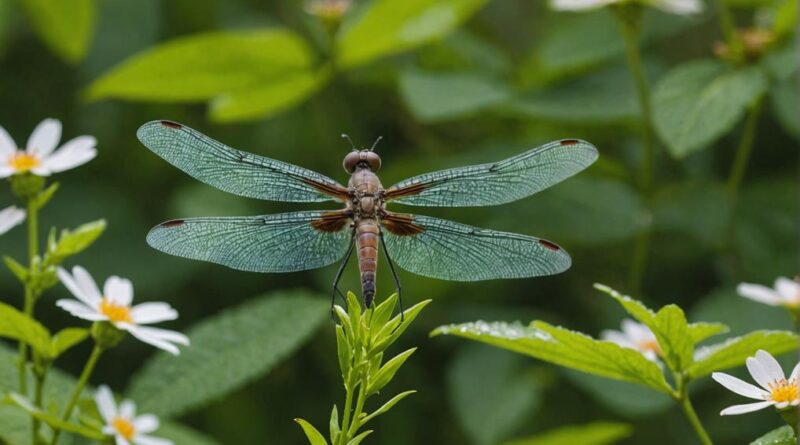
Do Mosquito Hawks Bite? Understanding Their Behavior
Given their uncanny resemblance to mosquitoes, you might wonder if mosquito hawks bite. It’s natural to assume they pose a similar threat, but appearances can be deceiving.
Unlike mosquitoes, mosquito hawks or crane flies don’t have the mouthparts needed to bite humans or animals. This distinction raises interesting questions about their role in our ecosystem and how they differ from their bloodsucking counterparts.
Are you curious about what mosquito hawks actually eat and how they impact your surroundings? Let’s explore these fascinating insects further.
Key Takeaways
- Mosquito hawks, or crane flies, do not bite humans or animals.
- They lack the mouthparts necessary for biting or blood-feeding.
- Mosquito hawks feed on nectar or dew, not blood.
- They are harmless insects often mistaken for large mosquitoes.
- Mosquito hawks pose no threat and are safe to coexist with.
Understanding Mosquito Hawks

Despite their intimidating appearance, mosquito hawks and crane flies don’t bite humans or animals. These harmless insects are frequently mistaken for large mosquitoes but pose no threat.
When you see their long legs and slender bodies, you might instantly think of mosquitoes, but mosquito hawks are quite different. One of the key distinctions is that mosquito hawks don’t bite. Unlike mosquitoes, crane flies lack the mouthparts necessary for biting.
This means that even though they might look threatening, they can’t harm you. It’s a common misconception to believe that their appearance indicates danger, but they’re completely harmless insects.
The next time you spot a mosquito hawk, look closer at its long legs and delicate wings. You’ll notice that, despite their size, they aren’t built to suck blood or cause any discomfort. Their primary role in the ecosystem differs vastly from that of mosquitoes.
So, don’t let their looks deceive you; mosquito hawks are gentle giants in the insect world. Understanding the nature of these insects can help dispel myths and ease any concerns you might have about their presence.
Mosquito Hawk Mouthparts
When examining mosquito hawks closely, you’ll find their mouthparts aren’t designed for biting or stinging. These insects, which often resemble mosquitoes, have a non-biting nature that sets them apart from their blood-sucking counterparts.
Mosquito hawks, also known as crane flies, primarily feed on nectar or dew, making them completely harmless to humans and animals. Their mouthparts are adapted for sipping liquids rather than piercing skin.
This means mosquito hawks don’t bite, sting, or pose any threat. Despite their somewhat intimidating appearance, especially when they hover around lights at night, they’re gentle giants in the insect world.
Here’s a quick rundown of the key points about mosquito hawks’ mouthparts:
- Non-biting nature: They lack the structures needed to bite or sting.
- Feeding habits: They feed on nectar or dew, not blood.
- Harmless to humans: They don’t threaten people or pets.
- Resembling mosquitoes: Despite their appearance, they don’t share the same harmful habits.
- Innocuous presence: Their presence is generally benign and harmless.
The next time you see a mosquito hawk, remember that their mouth parts make them completely harmless, and they do no more than fly around your space.
Mosquito Hawks Vs. Mosquitoes

Mosquito hawks and mosquitoes might look similar, but their behaviors and impacts on humans couldn’t be more different. Mosquitoes are infamous for their bites, feeding on the blood of humans and animals.
This blood-feeding behavior causes itchy, irritating welts and makes mosquitoes vectors for serious diseases like West Nile virus, Zika virus, and malaria. Their bites can pose significant health risks, especially in regions where these diseases are prevalent.
In stark contrast, mosquito hawks are harmless to humans. These insects don’t bite because they lack the mouthparts necessary for such behavior. Unlike mosquitoes, mosquito hawks don’t feed on blood and aren’t attracted to human hosts.
Their presence around your home or garden might be startling due to their size and resemblance to mosquitoes, but there’s no need for concern. They don’t exhibit any behavior that could harm you or your pets.
Understanding the differences between mosquito hawks and mosquitoes can help alleviate your fears when you see a large, mosquito-like insect. Remember, while mosquitoes are a nuisance and a health hazard, mosquito hawks are harmless and pose no threat through biting.
Mosquito Hawk Diet
You might be surprised that mosquito hawks don’t consume blood or bite humans or animals. These insects, often called crane flies, have a much different diet than their name suggests.
As larvae, known as leather jackets, they feed on grass seedlings and crops, making them a nuisance for gardeners and farmers. However, they don’t pose a direct threat to humans or pets.
Adult crane flies live short lives and have minimal feeding habits. Some adult mosquito hawks rely on nectar, sipping it in small amounts, while others mightn’t feed at all. This limited diet means they don’t contribute to pest control by eating mosquitoes despite looking similar.
Understanding these facts can help you appreciate mosquito hawks’ true nature and dispel common myths about their behavior and diet.
- Larvae feed on grass seedlings and crops, not blood.
- Leather jackets can damage lawns and gardens.
- Adult crane flies may consume nectar sparingly.
- Some adults don’t feed at all during their short lifespan.
- Crane flies aren’t effective for mosquito control.
Safety Around Mosquito Hawks

Despite their large size and alarming appearance, mosquito hawks don’t harm humans or animals. They lack the mouthparts necessary to bite, making them completely harmless.
You can safely coexist with these insects without worrying about bites or stings. Their presence might be startling, but there’s no need for concern. Regarding safety, mosquito hawks are among the least threatening insects you might encounter.
They can’t harm you, so your primary interaction with them is simply sharing the same space. If you find them bothersome, you can easily relocate them without fear. Gently catch them and move them outside, knowing they won’t retaliate or pose any risk.
Understanding that mosquito hawks are harmless helps you appreciate their role in the ecosystem. Instead of fearing them, you can respect their place in nature. They play a part in controlling mosquito populations, so their presence is beneficial. Remember, these insects cannot bite because they lack mouthparts, ensuring your safety while coexisting with them.
Conclusion
You don’t have to worry about mosquito hawks biting you or your pets. Unlike mosquitoes, these gentle insects lack the mouthparts for biting and primarily feed on nectar or dew. They may look intimidating, but they’re completely harmless to humans.
Next time you see a mosquito hawk, remember they’re innocuous creatures contributing to the ecosystem. So, relax and appreciate these fascinating insects without any fear.
Explore More Articles:
What Color Are Bed Bugs? Spot Them Quickly and Accurately
