
Earwigs: Do They Signify in Your Garden?
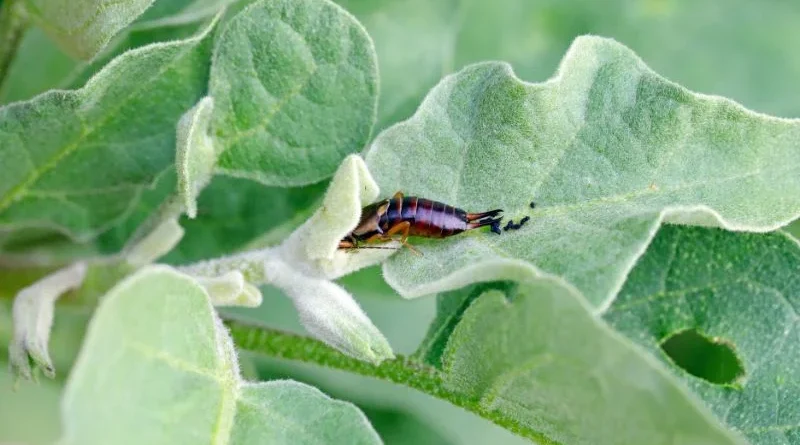
Earwigs are nocturnal creatures recognized by their pincer-like appendages. These insects, part of the Dermaptera order, are often found hidden in damp, shady areas when daylight takes over. However shocking it might be to stumble upon them in your garden or home, their presence often signifies a larger ecological balance, as they can help control other insect populations by being natural predators. Be careful, though; some varieties can also munch on your plants. Watch where you see these dark crawlers scurrying away.
Earwigs in your home may indicate excess moisture or dampness, as these insects are attracted to dark, moist environments. It could also indicate the presence of water damage or wood rot, which creates an ideal habitat for these pests. Proper moisture control and addressing any structural issues can help mitigate their presence.
What are Earwigs?
If you’ve ever encountered an insect with a slender, flattened body and distinctive pincers at the end of its abdomen, chances are it was an earwig. These creatures belong to the order Dermaptera and are named after an old European myth that they crawl into human ears (thankfully, this is not true). Known for their nocturnal habits, earwigs often seek out dark and damp environments, making gardens an ideal residence for them.
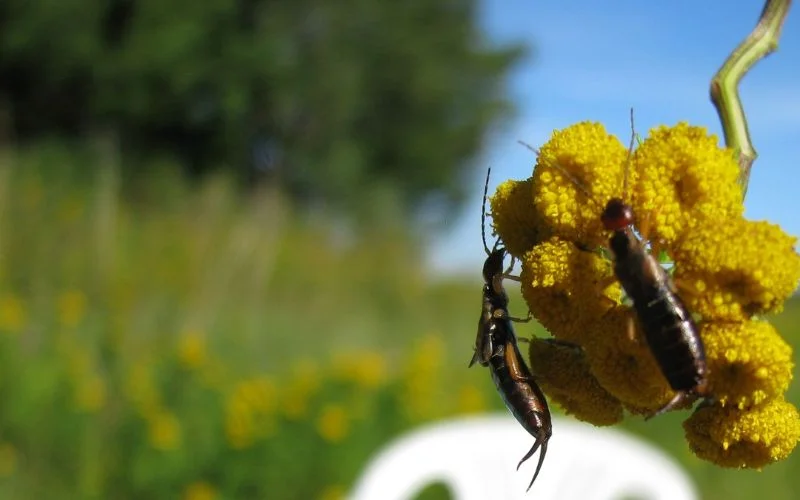
One unique characteristic of earwigs is their distinct pincers at the end of their abdomen, also known as cerci, used for defense and capturing prey. While they may look intimidating up close, it’s important to note that earwigs are generally harmless pests that do not threaten humans.
Imagine strolling through your garden in the evening and coming across a peculiar-looking insect with an elongated body and unmistakable pincers. More often than not, you’ve just stumbled upon an earwig carrying out its nightly activities.
These insects are attracted to moist and dark environments, so it’s common to find them under mulch, logs, or rocks outdoors. However, they might stray indoors if the temperature outside becomes too hot or there is a lack of moisture in their natural habitat.
Now that we have a better understanding of earwigs and their typical habitats, it’s time to explore how their presence can provide valuable insights into the state of your garden.
The Physical Characteristics of Earwigs
When you think of an earwig, it’s hard not to visualize the pincers most commonly associated with them. It’s this defining feature that many people find intimidating, but in reality, these pincers or cerci are an important part of what makes an earwig an earwig. They can appear quite menacing, but rest assured, they are not used for causing harm to humans.
Pincers
Earwigs’ pincers, or cerci, are at the end of their abdomens. Surprisingly, they are not harmful to humans. These pincers serve as a remarkable defensive mechanism and aid in capturing prey. Think of them as multitasking tools for survival. Their primary function is for defense and mating. You could say they’re like our Swiss army knife—a versatile tool that comes in handy when defending themselves or attracting a mate. So, despite their fearsome appearance, they serve a very practical purpose for earwigs.
Coloring
Moving on from their distinctive pincers, let’s talk about their coloring. Earwigs are usually dark brown to black and have long, slender, flattened bodies. These colors allow them to blend into their natural outdoor surroundings, providing camouflage against predators. This coloration is one of the reasons why earwigs might go unnoticed even when they’re right under our noses in our gardens or outdoor spaces. Their ability to blend naturally with their environment is a fascinating adaptation many insects share.
Wings
And what about wings? Well, this is where things get interesting. While earwigs do indeed have wings, not all species can fly. Their wings are neatly folded beneath short, leathery forewings; only some species can take flight. So, if you ever spot an earwig scurrying around without using its wings, don’t be surprised—it doesn’t necessarily mean something is wrong! Instead, it may simply be one species that relies on other means of survival and transportation.
By understanding earwigs’ unique physical characteristics, we gain a deeper appreciation for these intriguing insects and recognize them as an essential part of our natural world.
As we unravel the mysteries behind the physical attributes of earwigs, we now turn our attention to observing their behavior and habits in their natural habitats.
The Behavior of Earwigs
Earwigs are fascinating creatures, and understanding their behavior can help us manage their presence in our gardens more effectively. Let’s begin by shedding light on some common behavioral traits.
Nocturnal Foragers
Earwigs are creatures of the night, much like stealthy ninjas in the garden. Under the cover of darkness, they forage for food, seeking decaying plant matter and small insects to feast upon. Their nighttime activities allow them to avoid daytime predators and scavenge for nourishment in peace.
- In the quiet hours after sunset, these nocturnal explorers emerge from their hiding spots, ranging from crevices in bark to the underside of garden debris. They embark on their quest for sustenance and shelter, utilizing their pincer-like cerci as formidable tools for survival. Despite their eerie appearance, earwigs play a crucial role in maintaining balance within the garden ecosystem by keeping certain insect populations in check.
Moisture-Seeking Experts
But it’s not just darkness that attracts these tiny creatures; moisture is another key magnet for earwigs. They prefer damp, shadowy environments, making them frequent residents under mulch, logs, and rocks. These moist hiding spots provide relief from the elements, an abundant food source, and a safe refuge for egg-laying and molting.
It’s important to keep this in mind when managing your garden. Minimizing excess moisture and creating dry, well-ventilated areas can discourage earwig infestations and maintain a healthier balance within your garden. This approach helps to create an environment that is less inviting to earwigs while promoting the overall well-being of your plants.
Understanding these behavioral tendencies offers valuable insights into effectively managing earwig populations without resorting to harsh chemical solutions or invasive measures. By incorporating this knowledge into your garden care routine, you can strike a harmonious balance that accommodates your plants and the fascinating creatures that call your garden home.
Identifying these intriguing behaviors makes comprehending how earwigs might find their way from the garden into our homes easier. Let’s now embark on a journey to uncover clear signs of earwig infestation indoors and outdoors.
Identifying Signs of Earwigs in Your Home and Garden

You don’t want earwigs at home in your garden or, worse, finding their way into your house. These little insects can cause quite a headache with their appetite for plants and preference for dark, moist areas. Here are some telltale signs that earwigs might be lurking around:
Damage to Plants
Earwigs are notorious for causing damage to garden plants, especially seedlings and soft fruits. Keep an eye out for irregular holes and jagged edges on leaves. If you notice these signs of plant damage, it’s worth investigating further to determine whether earwigs are the culprits.
Presence of Exuviae
If you encounter earwigs’ shed skins, known as exuviae, it strongly indicates their presence. These discarded exoskeletons can be found where earwigs congregate, such as under pots, flowerbeds, or even in the crevices of outdoor furniture.
- Spotting these exuviae may not necessarily mean that you have an infestation, but it’s a definite sign that earwigs are nearby. Remember to check beneath items like gardening equipment and logs where earwigs tend to hide during the day.
Unusual Odors
A musty or unpleasant odor may become noticeable in areas with a heavy earwig presence. Understanding their attraction to dark and damp places and recognizing their tendency to leave behind this distinct odor can help alert you to their activity.
Imagine catching a whiff of something unpleasant as you go about your usual routine in the garden—this could be one indication that earwigs have taken up residence. Since they secrete a foul-smelling liquid as a defense mechanism when threatened, this smell is often associated with areas where they frequent.
The next time you’re out in your garden or exploring darker corners of your yard, keep an eye out for these indicators—they could be valuable clues alerting you to the presence of these nocturnal critters. And remember, it’s always best to catch an infestation early before it gets out of hand!
In the battle against these sneaky invaders, knowing how to spot signs of their presence is just the beginning. Stay tuned as we delve into effective strategies for dealing with an earwig infestation.
Are Earwigs Harmful to Plants in Your Garden?
Earwigs and household infestations can pose a threat to plants in your garden. These nocturnal insects are known to feed on a variety of plants, including vegetables and fruits. Their presence can lead to damaged and unsightly foliage, making it important to take steps to control their population.
Ways to Deal with an Earwig Infestation
Dealing with an earwig infestation can feel daunting, but fear not. You can take effective steps to address the issue and prevent future occurrences. Let’s explore strategies to help you tackle an earwig problem and make your garden more pleasant.
Reduce Moisture
Earwigs gravitate towards damp environments, so addressing moisture issues around your property is essential. Be attentive to areas where moisture might accumulate, such as leaking pipes, clogged gutters, or poorly drained flower beds. Addressing these issues will make your property less attractive to these moisture-seeking insects and discourage them from making themselves home in your garden. Consider implementing proper drainage systems, adding gravel to areas prone to dampness, and using mulch sparingly to minimize moisture retention in the soil.
Remove Hiding Places
Earwigs thrive in dark and secluded spaces, meaning piles of leaves, fallen trees, and other debris serve as ideal hiding spots. By clearing such clutter from your garden, you disrupt their habitat and make it less hospitable for them. Regularly removing organic debris and maintaining tidy landscaping will eliminate potential shelter for earwigs. This proactive measure will reduce their ability to establish large populations in your garden, ultimately contributing to better pest control management.
Sealing Entry Points
Another effective strategy is to repair cracks and crevices around the exterior of your home, sealing entry points that could provide easy access for earwigs. Use caulking or weather-stripping to seal gaps around doors, windows, and utility entry points. Additionally, inspect the foundation, siding, and roof for any openings allowing earwigs to infiltrate your living spaces. Fortifying these potential entryways creates a formidable barrier against unwanted earwig intrusions.
By implementing these practical measures, you can significantly reduce the likelihood of an earwig infestation and protect your garden from damaging effects. These simple yet impactful steps address existing issues and contribute to long-term prevention efforts by creating an inhospitable environment for earwigs.
With a fortified defense against earwig intrusions, let’s focus on preemptive measures to prevent an infestation in your garden and keep these pests at bay.
Preventing Earwigs in Your Garden and Home
When it comes to thwarting earwigs from taking over your garden and sneaking into your home, it’s all about staying one step ahead. These resourceful creatures can slip in through the smallest cracks and crevices, but there are simple steps you can take to discourage them from making themselves at home.
- Proper Gutter Maintenance: Ensuring gutters are clean and functioning properly can help prevent water accumulation, reducing attractiveness to earwigs. This means regularly clearing out any leaves or debris that might clog your gutters and checking for leaks or issues that could cause water to build up near your home.
- Landscaping Practices: Using gravel or stone mulch instead of organic mulch helps reduce earwig-hiding spots. Positioning plants at a distance from the home also minimizes earwig entry points. Regarding landscaping, keeping plants away from your home’s foundation helps create a barrier that discourages earwigs from finding their way inside.
- Regular Inspection: Frequent inspections of the home’s perimeter and garden can help detect early signs of an earwig presence, allowing for prompt action. This includes checking for cracks and gaps in your home’s exterior, monitoring for any signs of damage to plants, and checking for areas where moisture might be gathering—these are all potential entry points or attractants for earwigs.
FAQs
1. Are earwigs a sign of a larger pest infestation?
While earwigs can be unnerving, they are not necessarily signs of a larger pest infestation in your garden. Earwigs primarily feed on decaying plant material and other insects; their presence alone does not indicate a serious problem.
2. How can I prevent earwigs from entering my home or garden?
To prevent earwigs from entering your home or garden, keep your surroundings clean and debris-free. These insects are attracted to dark and damp places. Use mulch made of gravel or pine needles instead of organic materials that can serve as hiding spots for earwigs.
3. Can earwigs indicate a moisture or water problem in the home?
Earwigs in the home do not necessarily indicate a moisture or water problem. While earwigs are commonly found in moist environments, such as gardens or damp soil, they can enter homes through small openings and cracks.
4. Are there any natural remedies or solutions to control or eliminate earwig populations?
Several natural remedies exist to control or eliminate earwig populations in your garden. One effective method is to create a barrier around your plants using diatomaceous earth, which dehydrates and kills the insects upon contact. Another option is introducing beneficial insects like nematodes or ladybugs that feed on earwigs.
5. Do earwigs pose any health risks to humans or pets?
Earwigs do not pose any significant health risks to humans or pets. Despite their intimidating appearance, they are primarily a nuisance rather than a danger. Earwigs rarely bite; even if they do, it is generally harmless with minimal pain.
