

Uncovering the Mystery: What Are Earwigs a Sign of?
You’ve probably seen earwigs scurrying away when you lift a wet flowerpot or dig through mulch, and you might wonder why they’re there. These insects aren’t just random pests; their presence often indicates excessive environmental moisture. While they’re typically harmless, understanding that earwigs indicate damp conditions can prompt you to investigate further.
Are there hidden leaks or high-humidity areas in your home that need attention? Identifying and addressing these issues helps manage earwig populations and contributes to a healthier living space. What steps can you take to reduce moisture and discourage these unwelcome guests?
Key Takeaways
- Earwigs indicate high humidity and damp conditions in your environment.
- They suggest excessive moisture indoors, necessitating better humidity control.
- Earwigs often indicate potential plant damage outdoors due to their feeding habits.
- Frequent sightings can signal neglected areas needing cleanup and maintenance to remove hiding spots.
- Earwigs do not harm humans but highlight areas where pest control measures might be needed.
Earwig Identification Basics

Recognizing earwigs is straightforward once you spot the forceps-like pincers at their abdomen’s end. These distinctive appendages are important for your earwig identification efforts. Adult earwigs showcase various features that make them easily distinguishable from other insects.
Their elongated bodies, usually measuring 10 to 16 millimeters and a reddish-brown to black coloration, give them a unique appearance you can’t miss. When checking for these critters, pay attention to their mid-body covered by short leathery wings, which curiously expose their abdomen.
This is a key identifier in recognizing adult earwigs. Another significant feature to observe is their long, threadlike antennae, which are nearly half the length of their body and are important for understanding their surroundings.
Understanding these basics of earwig identification will arm you with the knowledge to spot these insects effortlessly. Remember, the combination of forces-like appendages, specific body coloration, and unique physical traits like threadlike antennae will confirm you’re looking at an earwig. Remember these identifiers; you’ll have no trouble distinguishing them from other household pests.
Habitats and Preferences
Earwigs thrive in moist, dark places where they can hide during the day and emerge at night to feed. You’ll often find them in damp areas, like under rocks or within mulch, where wet soil provides the perfect hiding spots. They’re especially attracted to moist conditions, making your garden a prime target if it’s not well-drained.
Understanding their affinity for dark and moist environments helps you pinpoint where earwig infestations might occur. These pests are a real bother, particularly because they’re nocturnal and most active when you’re least likely to notice them. Implementing preventative measures is key to combating these pests.
This involves reducing excess moisture around your home and garden, which can drastically reduce their numbers. Here’s a quick guide to understanding earwig preferences and how you can take control:
| Factor | Importance |
|---|---|
| Moisture Levels | High – attracts earwigs |
| Hiding Spots | Essential – provides shelter |
| Night Activity | Peak – most active at night |
| Pest Control | Essential – essential for prevention |
Common Misconceptions

While you might be familiar with where earwigs prefer to reside, it’s also important to clear up some common myths about these creatures. Here are four key misconceptions about earwigs:
- Earwigs Crawl into Ears: One of the most unsettling myths is that earwigs enter human ears to lay eggs. This is false; earwigs don’t intentionally crawl into human ears or other body parts.
- Aggressive Behavior: Despite their somewhat fierce appearance, earwigs aren’t aggressive towards humans. They typically avoid contact and use their pincers primarily for defense and mating, not for attacking people.
- Pincers Cause Harm: It’s a myth that earwig pincers can cause significant harm to humans. While their pincers might look intimidating, they aren’t strong enough to inflict serious injury.
- Transmission of Diseases: Another common misconception is that earwigs transmit diseases to humans. You’ll be relieved that earwigs aren’t known to carry or spread diseases to humans.
Understanding these points helps demystify the presence of earwigs and reduces undue worry about their interaction with humans.
Signs of Earwig Presence
You might notice earwig presence in your home by observing damaged plants, shed skins, or excrement. These pests are particularly attracted to moist areas like basements, bathrooms, kitchens, and cluttered spaces where they can easily hide. If you spot such signs, it’s important to identify potential entry points to prevent a larger infestation.
Regular monitoring is key in managing earwig populations and ensuring they don’t become a bigger issue. Check potted plants and any damp areas where earwigs are likely to congregate. Understanding their egg-laying habits can also aid in your control efforts, as it helps you target the root of the problem before it escalates.
Implementing prevention measures is essential. This involves maintaining a dry and clean environment to make your home less inviting to earwigs. Seal up cracks and openings to cut off their access inside. By staying vigilant and adopting these preventative practices, you can reduce the risk of an earwig infestation, keeping your home pest-free. Remember, control starts with recognizing the signs and promptly addressing them.
Environmental Indicators
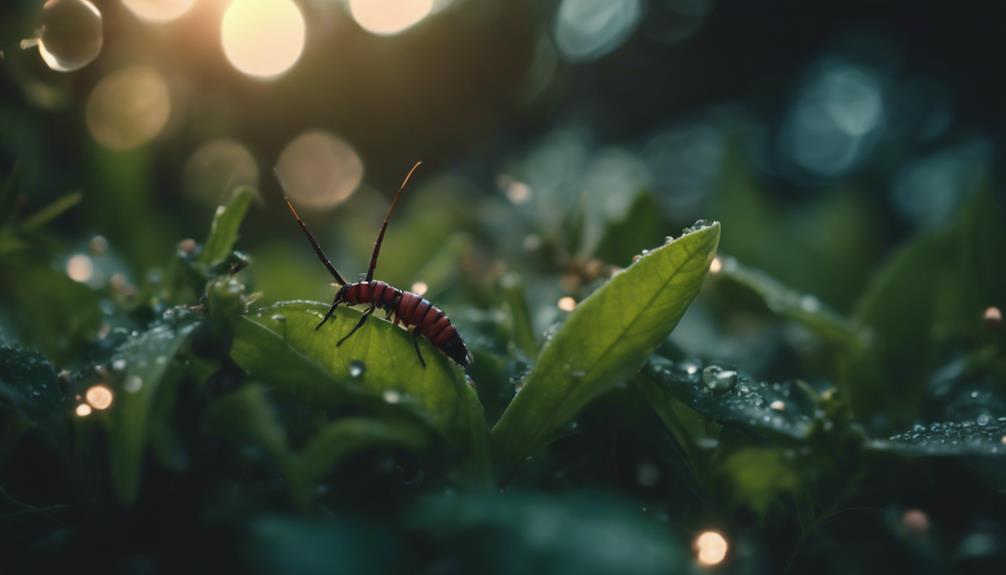
Observing earwigs in your home often highlights underlying issues with excessive moisture that need addressing. These small, nocturnal insects thrive in high humidity and damp conditions, making them reliable environmental indicators. When you spot earwigs indoors, it’s a clear signal that you’ve got to take a closer look at your moisture control strategies. Here’s what their presence might be telling you:
- High Moisture Levels: Earwigs are attracted to areas with high moisture. If they frequent your living spaces, they are likely too damp.
- Need for Humidity Regulation: Their presence indoors often points to a need for improved humidity regulation, particularly in basements and bathrooms where moisture tends to accumulate.
- Seeking Shelter: Finding earwigs inside can indicate that outdoor conditions are either too dry or too cold, pushing these pests to seek shelter in your more humid, warmer home.
- Damp Outdoor Conditions: If you see them in your garden, under mulch, or near potted plants, they suggest excessive moisture in these areas, which can also impact the overall health of your plants and outdoor spaces.
Tackling these issues involves enhancing ventilation, dehumidifiers, and sealing entry points to maintain ideal indoor moisture levels.
Damage to Plants and Property
Earwigs not only invade your home but also pose a threat to your garden by damaging plants and property. You might notice the damage to plants through visible, chewing irregular holes in the leaves. These pests also weaken plant stems as they feed, leading to noticeable structural issues in your garden’s foliage.
Soft fruits, especially strawberries, are particularly vulnerable. These fruits often bear the marks of earwig tunneling, which can greatly spoil your harvest. In your home, earwigs create an unsettling environment. They’re not just a nuisance; their presence can lead to stains and unpleasant odors, disrupting the comfort of your living spaces.
To tackle these issues, it’s essential to take proactive steps. Start by eliminating hiding spots where earwigs thrive. This includes clearing out garden debris and using barriers to restrict their access.
Additionally, setting traps can effectively reduce their numbers. Encouraging natural predators like birds and toads can also help keep the earwig population under control. By taking these measures, you’ll protect your home and garden from the unwanted disturbances caused by earwigs, ensuring a more peaceful and enjoyable environment.
Natural Remedies for Control

Use essential oils like lavender, peppermint, and citrus to repel earwigs naturally. These oils give off a pleasant aroma and act as effective natural remedies to keep these pests at bay. Applying these oils around your home and garden will create a barrier that earwigs will likely avoid. Here are some additional strategies to control earwig populations effectively:
- Diatomaceous Earth: Sprinkle diatomaceous earth around your garden’s perimeter and near possible entry points to your home. This natural powder is harmless to humans and pets but lethal to earwigs, dehydrating them upon contact.
- Plant Deterrents: Incorporate garlic, chrysanthemums, and tansy into your garden. These plants are natural deterrents and can prevent earwig infestations by making your garden less appealing to them.
- Sticky Traps: Create traps using shallow containers filled with oil or petroleum jelly. These can catch earwigs effectively without the use of harsh chemicals.
- Natural Predators: Encourage birds, toads, and ground beetles in your yard. These predators naturally feed on earwigs and help maintain their populations at manageable levels.
Professional Pest Solutions
If you’re struggling with earwigs, consider professional pest solutions like Orkin, which offer effective and personalized plans for eliminating these pests. Dealing with an earwig infestation can be tricky, but you’re in safe hands with Orkin Pro’s help. Their expert pest control teams have the tools and knowledge to give you a thorough solution.
Orkin’s approach to earwig issues is not just about removal; it’s about understanding your specific situation to develop a tailored plan that addresses the root of the problem. This means you will get a temporary fix and a detailed strategy to prevent future occurrences. Here’s a quick look at what Orkin offers for handling earwig problems:
| Service Feature | Description | Benefit to You |
|---|---|---|
| Tailored Plan | Customized to your home’s needs | Targets specific earwig issues |
| Expert Pest Control | Trained professionals manage infestation | Efficient and effective removal |
| Lasting Solution | Long-term strategies for earwig control | Peace of mind and safety |
| Professional Assistance | Guidance and support from experts | It saves time and prevents mistakes |
| Comprehensive Treatment | Addresses both adults and eggs | Prevents future infestations |
Preventative Strategies

While professional pest solutions such as Orkin provide effective eradication methods, implementing preventative strategies can also greatly reduce the likelihood of an earwig invasion in your home. It’s important to address potential hiding places and minimize the conditions that attract these pests. Here’s how you can keep your home less inviting to earwigs:
- Seal Entry Points: Check your home’s foundation and exterior walls for cracks and crevices. Sealing these can block earwigs from entering. Pay special attention to areas where utility pipes enter to prevent earwigs and other pests from gaining access.
- Clear Yard Debris: Remove excess mulch, leaves, and plant material from around your home. This reduces the damp hiding places earwigs thrive in. Keeping your yard tidy not only discourages earwigs but also other pests.
- Install Barriers: Door sweeps and repaired window screens can greatly hinder earwigs from entering your home. Ensure that all potential entrances are well-guarded to keep these pests out.
- Regular Maintenance: Conduct routine inspections and clean areas prone to collect debris, such as gutters. This helps control measures by reducing excess moisture and potential earwig breeding grounds.
Importance of Moisture Management
Managing moisture effectively is essential for preventing earwig infestations in your home. Earwigs are drawn to damp conditions, so controlling excess moisture is important to keep them at bay. Focusing on moisture management is a significant step toward effective prevention.
Proper ventilation is essential in areas such as your basement, bathroom, and kitchen to help reduce moisture levels. These spots often attract earwigs, so paying extra attention here can make a big difference. Consider installing dehumidifiers and ensuring your ventilation systems function properly to keep these areas dry.
Additionally, fixing any leaks promptly is critical. Water from leaks contributes to the damp environment in which earwigs thrive. Regularly monitoring moisture issues in and around your home is key. This isn’t just about making quick fixes; it’s about being proactive in your moisture management strategy to discourage earwigs from considering your home an ideal habitat.
Conclusion
Now you know, aren’t just creepy critters but a sign you’ve got too much moisture. Keep an eye out for these insects as they clue you in on dampness in your home. Manage humidity with dehumidifiers or better ventilation, especially in prone areas like basements and bathrooms. Tackling moisture isn’t just about dodging earwigs; it’s essential for a healthier living space. Don’t hesitate to consult professionals if things get out of hand. Stay dry and earwig-free!
Explore More Articles:
Yellow Ants: Identifying and Managing Them in Your Home
