
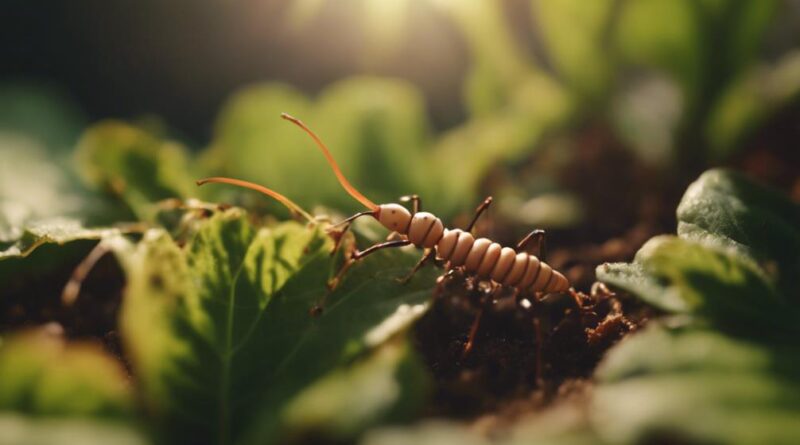
Boosting Earwig Reproduction Rates: A How-To Guide
If you're looking to boost earwig reproduction rates, you'll need to pay close attention to their environmental needs and behavioral cues. Start by ensuring the habitat is consistently maintained at ideal temperature and humidity levels, which play vital roles in their reproductive cycles. You'll also want to explore the specific dietary requirements that promote fertility and egg viability. But what makes the real difference in successful earwig breeding might surprise you, and it's not just about the physical environment or the food you provide. Stay tuned to uncover the less obvious factors that can greatly enhance earwig reproduction.
Key Takeaways
- Maintain optimal temperature (27.9-30.3°C) and humidity (76.7-92.3%) for ideal breeding conditions.
- Provide a balanced diet rich in proteins, fats, and necessary supplements like calcium.
- Ensure a safe, undisturbed environment for egg laying and nymph development.
- Monitor and adjust environmental and dietary conditions regularly to maintain health and fertility.
- Encourage multiple mating events to enhance genetic diversity and reproductive success.
Understanding Earwig Biology
Why should you care about the biology of Euborellia annulata? Understanding its reproductive habits and life cycle stages is essential for enhancing their reproduction rates. This earwig, with females capable of laying up to 166 eggs, presents a significant opportunity for biological control as a potential predator in gardens and farms. Knowing the male-to-female ratio, which leans towards more males, can help you manage populations effectively to maximize egg production.
You'll also need to take into account the nymph stages, which progress through five instars. These stages are important for development, and providing favorable conditions during these times can greatly affect survival rates. Since natural mortality hovers around 10.5%, every advantage you give them counts. This includes the introduction of artificial food sources tailored to their nutritional needs, ensuring faster growth and stronger adults.
The pre-oviposition period is another critical factor. Spanning up to 13 days, this is when females prepare to lay eggs. If you understand this period's timing, you can better support these phases with the right environmental cues and nutrition, further boosting reproduction rates and establishing a thriving population of this beneficial insect.
Optimal Habitat Conditions
Given the significance of the pre-oviposition period and nymph stages, ensuring ideal habitat conditions becomes necessary to support high reproduction rates in Euborellia annulata. You'll need to maintain a temperature range of 27.9-30.3°C and relative humidity between 76.7-92.3%. These conditions are vital for the earwigs to thrive and reproduce successfully.
During the 6-13 day pre-oviposition period, it's essential you provide a mix of soil, sand, and artificial food. This combination supports the female as she prepares to lay her eggs, which can number between 86-166. Remember, the success of her reproduction heavily relies on these critical conditions.
Moreover, creating a conducive environment doesn't just support egg laying but also enhances the longevity of both male and female earwigs, which can live up to 57-75 and 61-89 days, respectively. With the natural mortality rate hovering around 10.5%, careful management of their habitat is key. You'll want to regularly monitor and adjust the environmental parameters to ensure they remain within the ideal range. This vigilance helps offset natural losses and maximizes reproductive output, keeping your earwig population healthy and robust.
Seasonal Reproduction Cycles

Understanding the seasonal reproduction cycles of Euborellia annulata is important as they greatly influence the timing and success of their breeding periods. You'll find that these cycles dictate not only when the earwigs are most active in reproduction but also affect their overall vitality during these times.
Knowing the specific duration of the pre-oviposition period, which ranges from 6 to 13 days, allows you to anticipate when the females will start laying eggs. This period is significant, as it's your window to make sure that conditions are ideal for the onset of oviposition. Following this, the oviposition period itself lasts between 32 and 59 days. During this time, a female can lay between 86 and 166 eggs, depending on various factors like environment and health.
It's also important to take into account the natural male to female ratio of approximately 1.4 males to 1 female in managing the breeding stock. This ratio helps maintain a balanced population, which is crucial for a successful breeding program. Additionally, a natural mortality rate of around 10.5% during reproduction means you'll need to monitor and perhaps intervene to maintain healthy populations throughout these critical periods.
Diet and Nutrition Impact
After exploring the seasonal reproduction cycles, let's now focus on how diet and nutrition impact the reproduction rates of Euborellia annulata. You've got to understand that what they eat really matters. Providing a diet rich in protein and fats can greatly boost their reproduction. It's not just about more food, but the right kinds of food.
Including calcium supplements in their diet is another game-changer. This doesn't just bump up the number of eggs produced; it also enhances the success of those eggs hatching. So, if you're aiming for a higher yield, calcium is a must-add to their meals.
But it's not all about proteins, fats, and calcium. Ensuring a balanced diet that includes adequate vitamins and minerals is essential. This holistic approach to their nutrition optimizes their reproductive potential, ensuring they're not just reproducing more, but also healthier.
Variety is the spice of life, even for E. annulata. Offering them a mix of insects and plant material can positively impact their reproductive success. And don't forget, keeping an eye on their dietary response is key. You'll need to monitor and adjust their diet based on their reproductive behavior and performance to really maximize their reproduction rates.
Mating Behaviors Explained

Let's explore how the mating behaviors of E. annulata directly influence their reproduction rates. You'll find that understanding these interactions is key in maximizing their breeding success. Given the male-female ratio and the specific mating durations, there's a fascinating dynamic at play that directly impacts their population growth.
Here are some intriguing aspects of E. annulata's mating behaviors:
- Duration Variation: Mating can last from a brief 2 minutes to a lengthy 70 minutes, suggesting a high variability in copulation that could influence fertilization success.
- Male-Female Ratio: With more males than females (1.4:1.0), competition among males is likely intense, influencing both mating strategies and success rates.
- Mortality Rates: A natural mortality rate of 10.5% affects how many individuals are available for mating, which in turn affects overall reproduction rates.
- Mating Frequency: Since mating periods aren't mentioned to be singular events, it's possible that multiple matings could occur, enhancing genetic diversity and egg viability.
- Behavioral Observations: Understanding the specific behaviors during these mating periods can help identify ideal conditions for successful copulation and subsequent fertilization.
These factors are essential for anyone looking to enhance the reproduction rates of E. annulata in controlled environments or natural settings.
Egg Laying and Care
Once female E. annulata begin their pre-oviposition period, they'll prepare to lay between 86 and 166 eggs, greatly impacting their population dynamics. This period, lasting 6 to 13 days, is significant for their preparation. As a breeder, you'll want to monitor this phase closely to guarantee excellent conditions for egg laying.
During the oviposition period, which can last between 32 to 59 days, a female will deposit her eggs in multiple batches—typically five separate occasions. This strategy helps maximize the survival chances of her offspring, spreading out the risk of predation or environmental hazards.
You'll need to provide a safe, undisturbed environment for these phases. The presence of adequate shelter and humidity is crucial for successful egg laying and subsequent hatching.
Temperature Effects on Reproduction

Understanding how temperature impacts E. annulata's reproductive success is essential for optimizing their breeding conditions. The right temperature can greatly enhance the number and health of eggs produced by female earwigs, making it a vital factor in your breeding strategy.
Here's what you need to know about the ideal temperature conditions for maximizing E. annulata reproduction:
- Best Temperature Range: Keep the breeding area between 27.9°C and 30.3°C. This range has been shown to promote the best reproductive results.
- Egg Viability: Higher temperatures within this range tend to increase both the number and viability of the eggs laid.
- Pre-oviposition Period: Temperature can shorten the pre-oviposition period, which ranges from 6 to 13 days. Warmer conditions tend to speed up the process.
- Reproductive Potential: Maintaining best temperatures is key to harnessing the full reproductive potential of E. annulata, essential for effective integrated pest management.
- Temperature Fluctuations: Avoid sudden changes in temperature to prevent disrupting the earwigs' reproductive cycle.
Humidity and Moisture Needs
To optimize E. annulata reproduction, you must maintain humidity levels between 76.7% and 92.3%. This specific range is vital to ensuring that the environment is ideal for both egg laying and the development of nymphs. If the humidity dips below or soars above this bracket, it can disrupt the delicate balance needed for successful reproduction.
Maintaining this humidity level isn't just about hitting numbers; it's essential for preventing the desiccation of eggs and young nymphs. Desiccation can lead to high mortality rates, severely impacting population sustainability. To keep the moisture consistent, you'll want to monitor the environment closely. Use hygrometers to track the humidity levels in the areas where your earwigs reside and breed.
Predation and Survival Strategies

You'll need to take into account the natural predation threats to Euborellia annulata when devising strategies to enhance their survival and reproduction rates. Understanding these threats is important to guarantee that the earwigs not only survive but also thrive enough to reproduce effectively.
Here are some key factors to take into account:
- Nymph Stage Vulnerability: The nymph stage lasts 39-46 days, during which they're most vulnerable to predators. Providing a safe habitat during this period is essential.
- Feeding Preferences: Knowing what E. annulata prefers to eat helps you manage their food sources effectively, making them less likely to be preyed upon while feeding.
- Temperature and Humidity: These environmental factors have a significant impact on their survival. Maintaining favorable conditions reduces stress, making them less susceptible to predators.
- Egg Laying Capacity: With a high egg-laying capacity of 86-166 eggs, ensuring maximum survival of these eggs from predators is vital for population growth.
- Natural Mortality Rate: A mortality rate of 10.5% suggests external pressures, possibly from predation. Mitigating these risks can improve overall survival rates.
Monitoring and Controlling Populations
Monitoring earwig populations closely helps you track changes and adjust conservation efforts efficiently. By focusing on the earwig's breeding timelines, such as when they lay eggs and the hatching rates, you're better equipped to understand their lifecycle. You'll want to keep an eye on mortality rates and where they choose to lay eggs (oviposition). These insights are essential for tailoring your approach to increase their numbers when necessary.
Understanding the reproductive behavior, including the mating periods and the ratio of males to females, is important. This knowledge allows you to manipulate conditions to favor an increase in population. Calculating intrinsic growth rates (r), net reproductive rates (R0), and limited growth rates (λ) are crucial tools for predicting and managing population dynamics.
To maximize earwig reproduction, make sure you maintain favorable conditions. The ideal temperature should range between 27.9-30.3°C with relative humidity between 76.7-92.3%. These conditions support their reproductive processes.
Conclusion
You've got all the tools you need to boost earwig reproduction rates! Remember to maintain temperatures between 27.9-30.3°C and keep humidity at 76.7-92.3%.
Feed them a diet rich in protein, fats, and calcium to enhance egg production. Keep an eye on their mating behaviors and seasonal cycles, and adjust their environment accordingly.
By monitoring populations and mitigating predation risks, you'll guarantee a thriving earwig community. Start applying these strategies today and watch your earwig population grow!
