
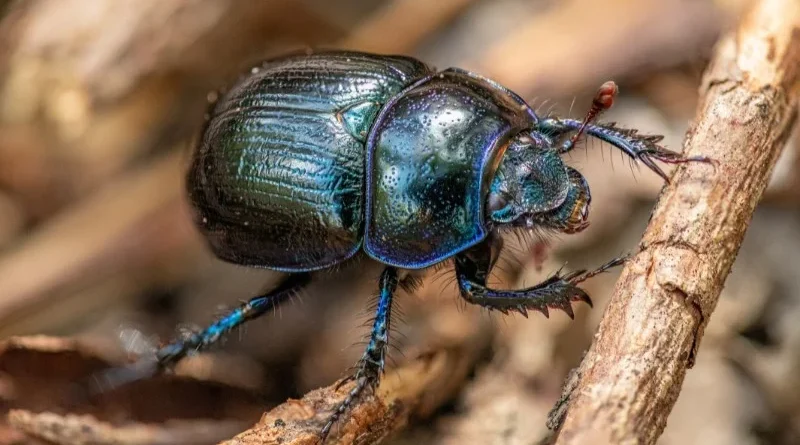
Understanding Different Types of Pest Intruders: Insect Insights
When it comes to pests, you may think of the usual suspects like insects and rodents, but did you know there’s a whole world of pests out there waiting to be discovered? From birds to arachnids, nuisance wildlife to aquatic invaders, the domain of pests is vast and varied.
Each type brings challenges and risks, making pest management a complex and essential task. But what sets these different types of pests apart, and how can you effectively deal with each one? Let’s explore the diverse landscape of pests and how to address them effectively.
Key Takeaways
- Common household pests include insects like cockroaches, ants, termites, silverfish, and mosquitoes.
- Rodents such as house mice and deer mice are common pests that carry diseases and cause property damage.
- Birds like pigeons can spread diseases through droppings and create slippery surfaces if improperly managed.
- Arachnids, including spiders, ticks, and mites, play a role in pest control and can transmit diseases.
- Nuisance wildlife such as raccoons, squirrels, skunks, and bats can cause property damage and carry diseases like rabies.
Insects
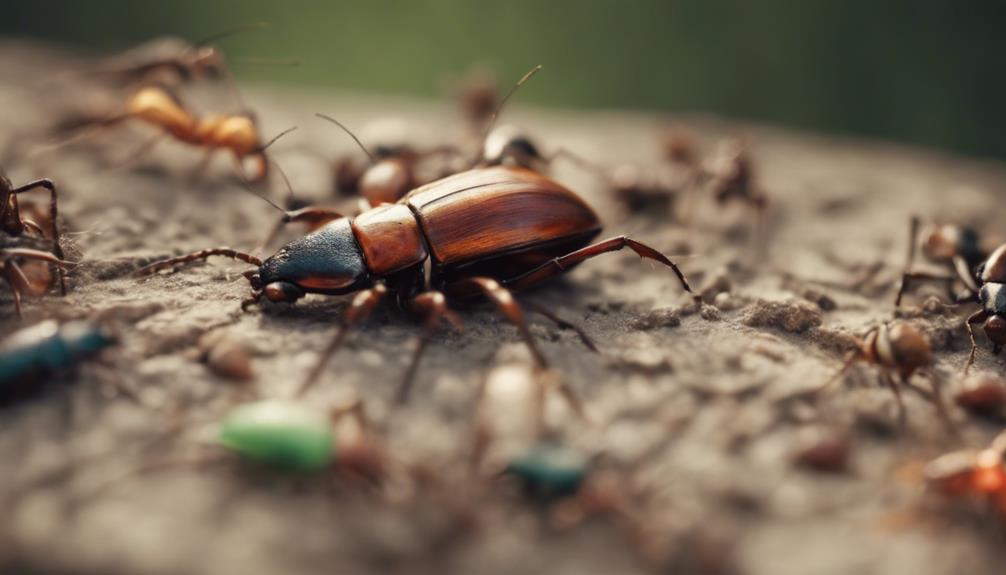
Insects are significant household pests, ranging from cockroaches and ants to termites, silverfish, and mosquitoes. Cockroaches are notorious for their resilience and ability to adapt to various environments, making them a challenging pest to eradicate. On the other hand, ants often invade homes for food and can quickly establish colonies within walls or under floors.
Termites and silverfish are particularly concerning due to their potential to cause structural damage to homes. Termites feed on wood, weakening the structure of buildings over time, while silverfish consume starchy materials like paper and glue, leading to costly damage if left unchecked.
Additionally, mosquitoes aren’t only a nuisance with their itchy bites but pose health risks by transmitting diseases like malaria and dengue fever. To effectively manage these insect infestations, professional pest control services can provide targeted solutions to eliminate these pests from your home.
Rodents
Rodents, such as house mice and deer mice, pose health risks and property damage concerns for homeowners. These common household pests can carry diseases and cause significant damage by gnawing on wires and structures.
Mice are adept at finding dark and secluded areas in homes, making them challenging to eradicate. Infestations are more likely to occur in cluttered and unclean environments where rodents can easily find food and shelter.
Professional pest control services may be necessary for severe infestations to eliminate these pests effectively. Additionally, mouse populations can quickly grow due to their rapid reproduction rate, leading to increased property damage.
| Rodent Type | Health Risks | Property Damage |
|---|---|---|
| House Mice | Carry diseases like Hantavirus and Salmonellosis | Gnaw on wires and structures |
| Deer Mice | Transmit diseases such as Lyme disease and Hantavirus | Cause damage to insulation and walls |
Birds

Birds, like pigeons, can also present health risks and property damage concerns for homeowners. When dealing with bird pests, it’s essential to recognize their potential hazards and how to control their populations effectively. Here are some key points to keep in mind:
- Pigeons are common feral pests known for spreading diseases through their droppings.
- Pigeons can create slippery surfaces and pose health hazards when populations grow out of control.
- Tripping hazards can result from the accumulation of pigeon droppings in an area.
- Feral pigeons aren’t usually problematic but can become a nuisance if their numbers increase.
- Proper management of pigeon populations is important to prevent health risks and property damage.
Arachnids
Arachnids, including spiders, scorpions, ticks, and mites, are a class of joint-legged invertebrates with distinctive features such as two body segments, eight legs, and no antennae. Spiders are the most diverse, with over 45,000 known species.
While arachnids like spiders are essential in controlling insect populations, some species can threaten human and animal health. Ticks and mites, for instance, are known disease vectors, emphasizing the importance of managing their populations.
A professional pest control company can provide effective solutions to arachnid infestations. These companies offer specialized services to address various types of pests, including arachnids, ensuring the safety and well-being of your household.
Alongside other common household pests like species of cockroaches, arachnids require specific attention due to their potential health implications. Professional pest control services can help identify and implement tailored strategies to manage arachnid populations effectively, safeguarding your home environment.
Nuisance Wildlife

Nuisance wildlife, such as raccoons, squirrels, skunks, and bats, can pose significant problems in residential and commercial environments. Although these animals are part of the natural ecosystem, they can become troublesome when encroaching upon human habitats.
Here are some key points to take into account regarding nuisance wildlife:
- Damage: Nuisance wildlife may cause property damage by chewing wires, digging holes, or contaminating food.
- Diseases: Wildlife, like raccoons and bats, can carry diseases such as rabies, posing a risk to humans and pets.
- Entry: These animals can find their way into buildings through small openings, vents, or damaged areas.
- Nesting: Nuisance wildlife may create nests in attics, chimneys, or crawl spaces, leading to further issues.
- Removal: Professional wildlife removal services can help safely and humanely address nuisance wildlife problems, ensuring the safety of humans and animals.
It’s essential to address nuisance wildlife promptly to mitigate potential risks and damages.
Aquatic Pests
Aquatic pests, such as zebra mussels and Asian carp, pose a significant threat to water ecosystems due to their ability to disrupt native species and infrastructure. These pests, including species like hydrilla, can outcompete native species for resources, disturbing the balance of aquatic ecosystems.
Aquatic pests spread rapidly, making them challenging to control once they establish a presence in a water body. They can cause issues such as clogging waterways, impacting water quality, and damaging infrastructure like dams and pipes.
Prevention measures such as early detection and rapid response are essential to manage aquatic pests effectively. By implementing proactive strategies, it is possible to minimize the impact of these pests on marine environments and preserve the health of water ecosystems for future generations.
| Aquatic Pests | Disrupt Ecosystems | Spread Rapidly | Challenging to Control | Prevention Measures |
|---|---|---|---|---|
| Zebra Mussels | Yes | Yes | Yes | Early Detection |
| Asian Carp | Yes | Yes | Yes | Rapid Response |
| Hydrilla | Yes | Yes | Yes | Monitoring Programs |
Plant Pests

Plant pests, such as aphids, can cause significant damage to plants by sucking their juices and secreting honeydew. Aphids are easily identifiable as they cluster on plant stalks.
To control aphid infestations, consider the following:
- Spraying: Use water to spray infested plants, helping remove aphids from the leaves and stems.
- Squishing: Although it may be a bit gruesome, squishing aphids by hand effectively control their population.
- Regular Inspection: Consistent monitoring and removal of aphids can prevent significant damage and infestation.
- Natural Predators: Introducing ladybugs or lacewings can help keep aphid populations in check.
- Horticultural Oils: Applying horticultural oils can suffocate aphids while being less harmful to beneficial insects.
Conclusion
In summary, understanding the different types of pests is essential for effective pest management. Each type poses unique challenges and risks, from insects and rodents to birds, arachnids, nuisance wildlife, and aquatic pests.
By implementing tailored strategies and proactive measures, you can prevent infestations, protect your property, and safeguard your health. Stay informed and take action to keep pests at bay and maintain a safe and pest-free environment.
