
Are Elephant Mosquitoes Dangerous? What You Need to Know
You might be surprised to learn that elephant mosquitoes are not the blood-sucking, disease-transmitting pests you typically associate with these buzzing insects. While their large size and metallic appearance may catch your eye, their feeding habits tell a different story.
But before dismissing them as harmless, consider their unique role in the ecosystem. Let’s explore further to uncover the intriguing world of elephant mosquitoes and why understanding them is vital in mosquito management strategies.
Key Takeaways
- Elephant mosquitoes are not dangerous to humans.
- They do not transmit diseases to humans.
- Their feeding habits focus on nectar, not blood.
- Elephant mosquitoes help control other mosquito populations.
- Managing stagnant water helps reduce their presence.
Characteristics of Elephant Mosquitoes

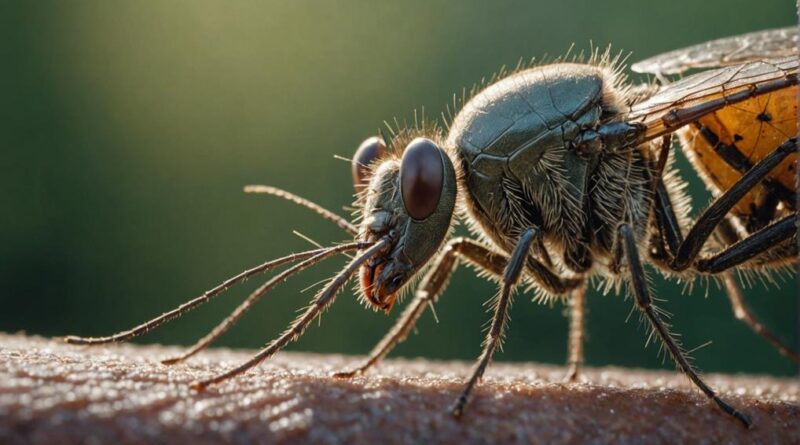
Elephant mosquitoes, or Toxorhynchites rutilus, are the largest mosquito species in the U.S., boasting adult females with up to 1/2-inch wingspans. These metallic-colored mosquitoes are prevalent in the southeastern U.S. and extend to Texas. Unlike other mosquitoes, elephant mosquitoes don’t bite humans.
They sustain themselves by feeding on nectar from flowers and sap from plants, making them harmless to humans. Notably, the larvae of elephant mosquitoes play a critical role in mosquito control. Instead of relying on blood for survival, these mosquitoes prey on the larvae of other mosquito species.
By targeting and consuming other mosquito larvae, elephant mosquitoes help control mosquito populations that often pose a nuisance to humans. Their unique feeding habits make them potentially beneficial allies in mosquito control strategies. They contribute to the natural balance of ecosystems without posing any threat to humans.
Feeding Habits of Elephant Mosquitoes
With their unique dietary preferences, elephant mosquitoes display a fascinating shift away from the typical blood-feeding behavior of many mosquito species. These mosquitoes consume nectar from flowers and sap from plants to survive. Their long beak is specialized for sucking nectar, not for biting animals or humans, making them harmless to people.
Due to this feeding habit, elephant mosquitoes don’t pose a threat of transmitting vector-borne diseases to humans, unlike other mosquito species. Interestingly, elephant mosquitoes contribute to biological control by feeding on the larvae of different mosquito species. This behavior helps in managing mosquito populations naturally.
Researchers have even explored the potential of using elephant mosquitoes as biological control agents to reduce the number of disease-transmitting mosquitoes.
Potential Risks Associated With Elephant Mosquitoes

Elephant mosquitoes don’t pose health risks to humans since they don’t feed on blood. As a result, they don’t have the potential to transmit diseases like other mosquito species. Their role in controlling mosquito populations benefits human health by reducing the spread of diseases such as dengue, Zika, and malaria.
Health Risks Posed
Despite their large size and intimidating appearance, elephant mosquitoes don’t pose any health risks to humans due to their non-blood-feeding behavior. Unlike other mosquito species that feed on blood and can transmit diseases, elephant mosquitoes primarily feed on nectar and plant juices.
This unique dietary preference means that elephant mosquitoes don’t bite humans or animals for blood meals, eliminating the risk of disease transmission. Since they don’t rely on blood for sustenance, they don’t carry or spread diseases such as malaria, dengue fever, or the Zika virus.
Their important nature makes them beneficial creatures in ecosystems where they help control other mosquito populations by preying on their larvae. These mosquitoes play a significant role in natural mosquito control efforts without harming human health. Therefore, despite their imposing size and appearance, elephant mosquitoes aren’t dangerous to people and don’t present any health risks.
Disease Transmission Potential
Due to their unique dietary habits, elephant mosquitoes don’t pose a risk of disease transmission to humans. Unlike other mosquito species that rely on blood, elephant mosquitoes feed on nectar from flowers. This distinctive blood-feeding behavior sets them apart as non-threatening vectors of disease.
Their preference for nectar means they don’t contribute to transmitting vector-borne diseases to humans or animals. By not partaking in blood meals, elephant mosquitoes eliminate the potential risks associated with disease transmission. This characteristic makes them beneficial as they assist in controlling other mosquito populations by preying on their larvae.
Their harmless nature regarding disease transmission highlights the importance of understanding the diverse feeding behaviors of mosquito species. Overall, the absence of blood-feeding behavior in elephant mosquitoes ensures that they don’t pose a threat when it comes to spreading illnesses to humans, distinguishing them as safe and beneficial insects.
Elephant Mosquitoes Vs. Other Mosquito Species
When compared to other mosquito species, elephant mosquitoes stand out for their important feeding habits and harmless nature. Unlike typical mosquito species that feed on blood, elephant mosquitoes solely consume nectar from flowers, making them harmless to humans.
In addition to their significant nature, elephant mosquitoes play a vital role in biological control by preying on the larvae of other mosquito species, helping to regulate mosquito populations naturally. Due to their nectar-feeding behavior, elephant mosquitoes don’t pose a threat of transmitting diseases to humans or animals, as they don’t require a blood meal for survival.
Visually distinct with their metallic-colored scales and large size, elephant mosquitoes are easily recognizable compared to traditional mosquito species. Efforts have been made in certain regions to harness the biological control potential of elephant mosquitoes and manage mosquito populations effectively.
Controlling Elephant Mosquito Populations
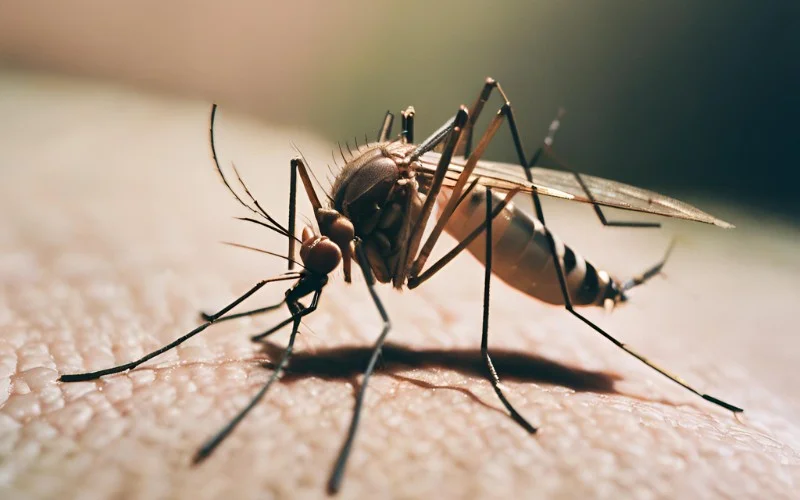
You can explore methods to control elephant mosquito populations, such as introducing biological control agents like Toxorhynchites mosquitoes. Consider these efforts’ impact on ecosystems, as manipulating mosquito populations can affect other species in the environment. Evaluate the potential risks and benefits of elephant mosquitoes for population control without worrying about disease transmission.
Population Control Methods
Controlling elephant mosquito populations involves implementing strategic measures to utilize their natural predatory behavior for managing other mosquito species. One effective method is to encourage the presence of elephant mosquitoes in areas with high mosquito populations.
These mosquitoes feed on mosquito larvae, acting as a natural form of mosquito repellent. By identifying and preserving their breeding sites, such as stagnant water bodies, you can support the growth of elephant mosquito populations to control other mosquito species.
Research has demonstrated the successful use of elephant mosquitoes for population control in various regions, highlighting their importance in biological pest management. However, challenges like cannibalistic behavior can arise when introducing elephant mosquitoes to new areas.
Leveraging their role in controlling mosquito populations showcases their potential significance in mosquito management strategies. It underscores the importance of understanding and utilizing their natural predatory behavior for effective population control.
Impact on Ecosystems
To understand the impact of controlling elephant mosquito populations on ecosystems, it’s important to recognize their role in maintaining a balanced environment through their larval feeding habits. Elephant mosquitoes play a vital role in controlling the populations of other mosquito species by preying on their larvae.
This unique feeding habit helps regulate the mosquito population, contributing to a healthier ecosystem. Due to their significant behavior, elephant mosquitoes have been considered a potential biological control agent for managing mosquito populations in certain areas.
By utilizing these mosquitoes for population control, scientists aim to reduce the nuisance and health risks of disease-carrying mosquitoes while maintaining ecological balance. Efforts to study and harness the capabilities of elephant mosquitoes for mosquito control underscore the importance of these insects in preserving harmony within ecosystems.
Their contribution in regulating mosquito populations highlights the intricate balance of nature and the potential benefits of utilizing them as a natural control method.
Disease Transmission Risks
When contemplating the disease transmission risks associated with mosquito populations, it’s essential to acknowledge the valuable role that elephant mosquitoes play in indirectly mitigating these risks. Despite not being disease vectors, elephant mosquitoes contribute greatly to controlling disease-carrying mosquito populations. Here are some key points to ponder:
- Elephant mosquitoes help manage other mosquito species that pose disease transmission risks.
- Elephant mosquitoes indirectly reduce the spread of diseases by feeding on the larvae of disease-carrying mosquitoes.
- Utilizing elephant mosquitoes for biological control can offer a non-toxic and eco-friendly approach to managing mosquito populations.
- Understanding the ecological role of elephant mosquitoes in controlling disease transmission risks can help develop effective pest control strategies.
Managing Elephant Mosquito Nuisance
You can manage elephant mosquito nuisance by reducing their breeding grounds and using mosquito repellents. Elephant mosquitoes lay their eggs in standing water, so eliminating stagnant water sources around your home can help reduce their population. Make sure to regularly empty containers like buckets, flower pots, and bird baths to prevent water accumulation.
Additionally, consider using mosquito repellents outdoors, especially during dawn and dusk when elephant mosquitoes are most active. By applying insect repellent containing DEET or picaridin, you can protect yourself from potential irritation caused by these large insects.
Remember that while elephant mosquitoes may be bothersome due to their size, they’re harmless to humans and actually prey on other mosquito larvae, contributing to the control of mosquito populations in your area.
Conclusion
To sum up, elephant mosquitoes aren’t dangerous to humans and help control other mosquito populations. Their unique feeding habits make them harmless and beneficial to the ecosystem. By understanding and managing these mosquitoes effectively, we can maintain a balanced environment while reducing the nuisance of other more harmful mosquito species. So, next time you see an elephant mosquito, remember they’re friends, not foes.
Explore More Articles:
Do Ants Have Hearts? Unveiling the Secrets of Ant Physiology
